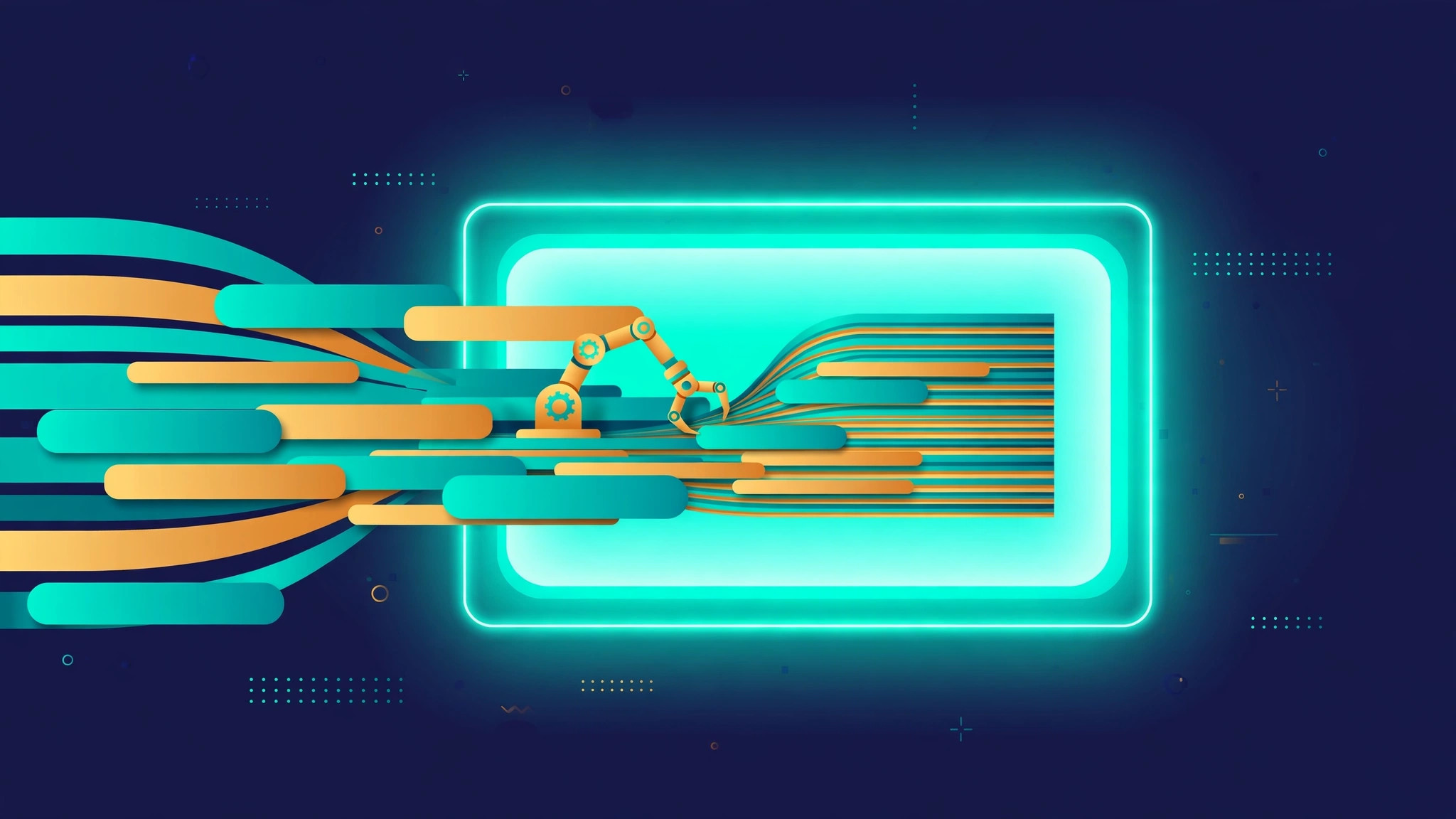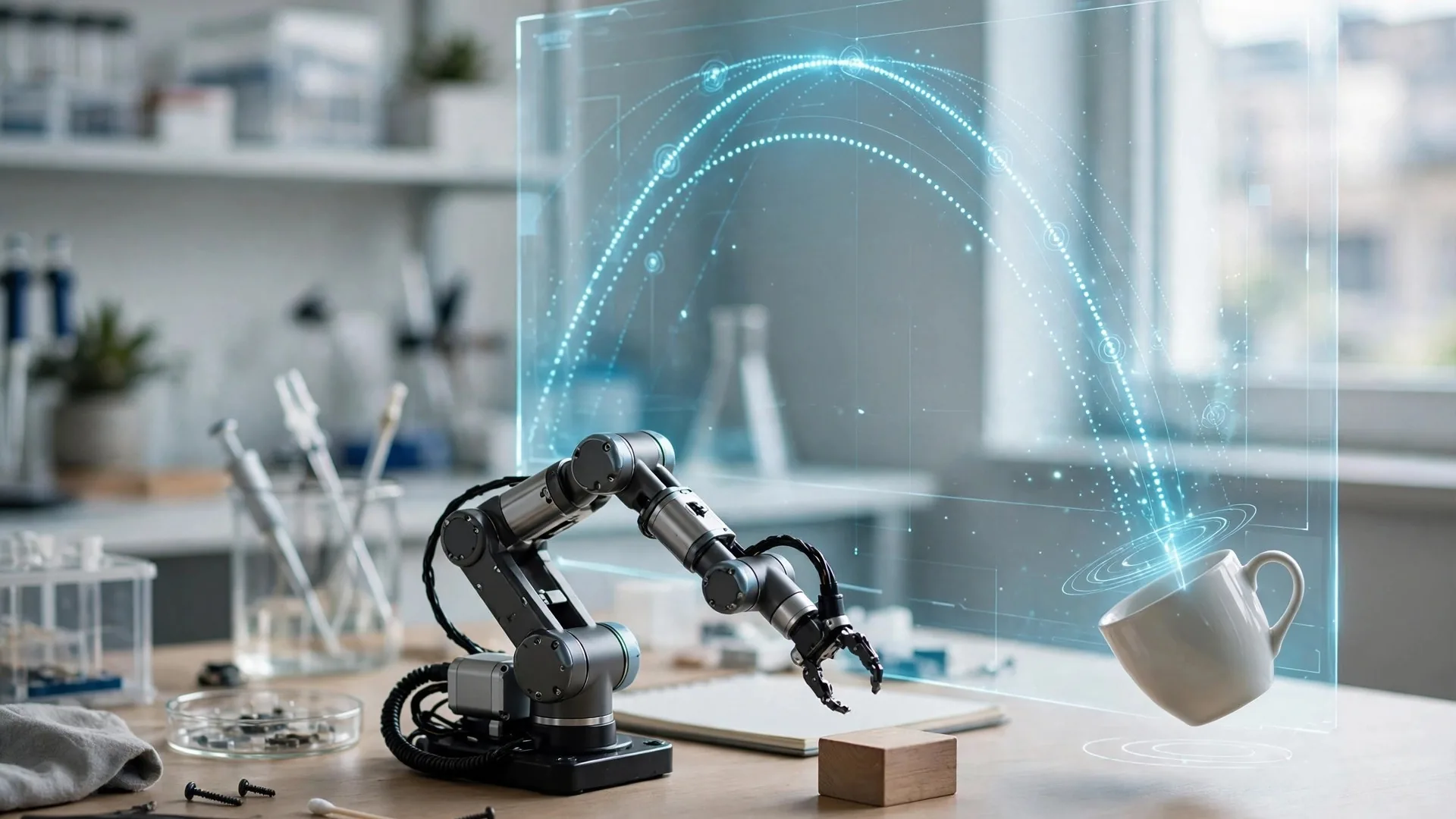
A world model is an AI model that understands how an environment works and predicts what will happen next. It does more than recognize what is in a picture: it grasps how objects move and what consequences an action brings, like the mental sketch of 'how the world works' in a human brain. Given the current state and an action, the model can infer the picture or outcome that is likely to follow, and then decide what to do next.
How is a world model different from a video generation model?
A video generation model aims for good-looking, coherent footage; its core goal is to 'draw it like it is.' A world model aims for reliable prediction; its core goal is to 'get the physics right.' The former finishes its job once it outputs a video from a prompt; the latter must keep answering the question, 'If I do this, what will the world become?' In the same scene, a video model might let a cup vanish into thin air without noticing, while a world model should know that a cup pushed off a table will shatter. Being interactive, being able to try things out, and being able to correct its predictions from mistakes is what sets a world model apart from a pure generation model.
Is it the same as 3D generation or a digital twin?
No. 3D generation produces static or renderable 3D assets, focusing on shape and appearance; a world model produces an understanding of how things change, focusing on 'what happens next.' A digital twin is a high-precision replica of a specific real system, relying on sensors and real-time data synchronization to mirror reality one-to-one; a world model learns general rules that can be applied to scenes it has never seen. The three can work together — for example, a world model can drive virtual tests inside a digital twin — but none of them can replace the others.
Three common misconceptions
First, a text-to-video model is not a world model: realistic-looking footage does not mean the model understands physics. Second, having a world model does not mean real-world testing can be skipped: the rules learned in simulation can still differ from reality, and key decisions still need physical verification. Third, a world model is not all-powerful just because it is big: in scenes its training data never covered, its predictions can still go wrong.
World models are first landing in robotics and autonomous driving: robots practice grasping and avoiding obstacles in simulation, then transfer the skills to real machines; self-driving systems use them to rehearse rare road scenarios. In games they can generate worlds you can walk into and play: Google's Genie can turn a single image into an interactive scene, and embodied AI training relies on them to generate experience at scale. Among real products, World Labs' Atlas turns photos into explorable 3D scenes and opened to everyone in November 2026, while Runway's Praxis-1 turns video pretraining into robot action control with open weights. To judge whether a model is a world model, look first at whether it can predict — not only at whether it can generate.