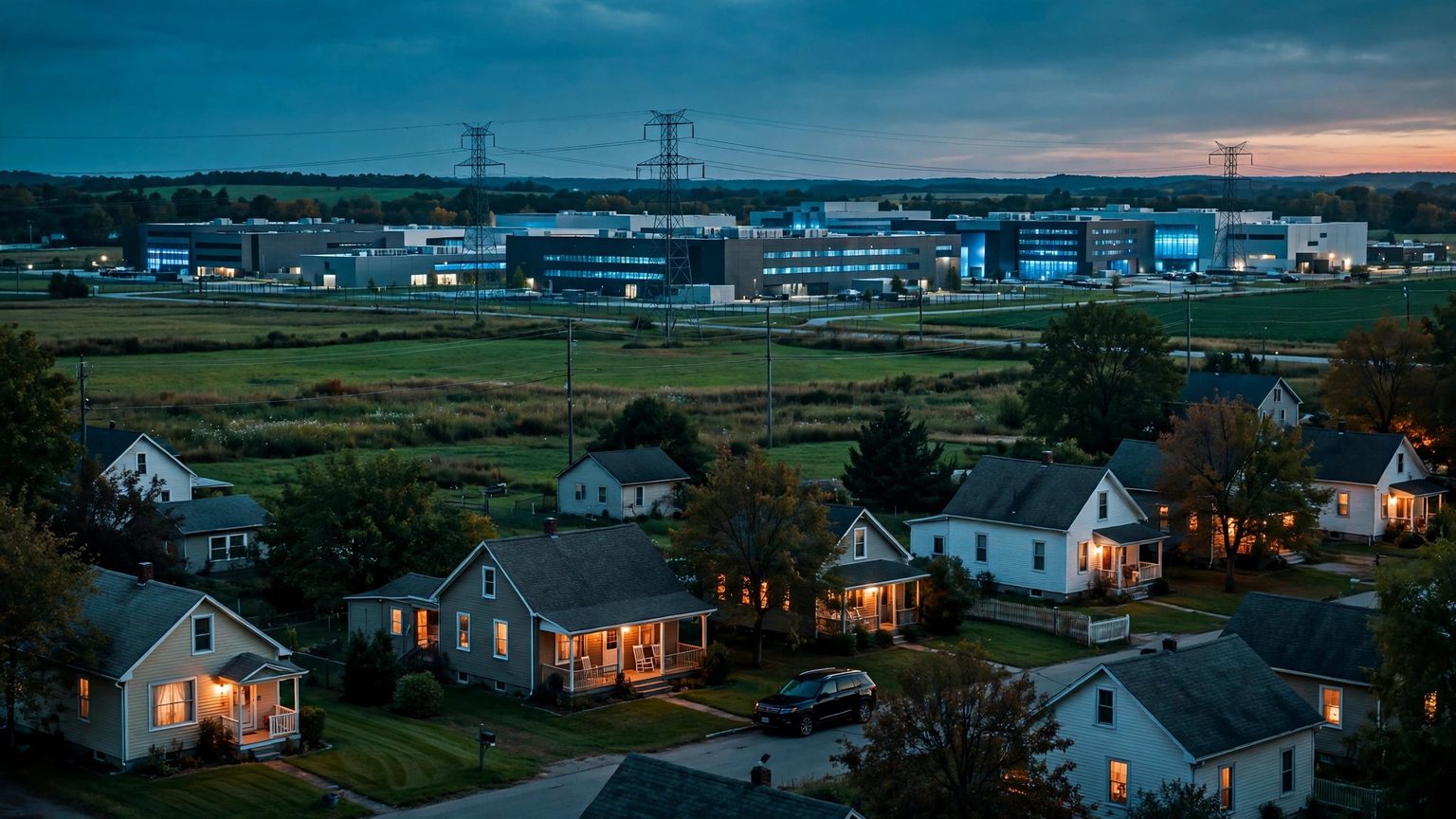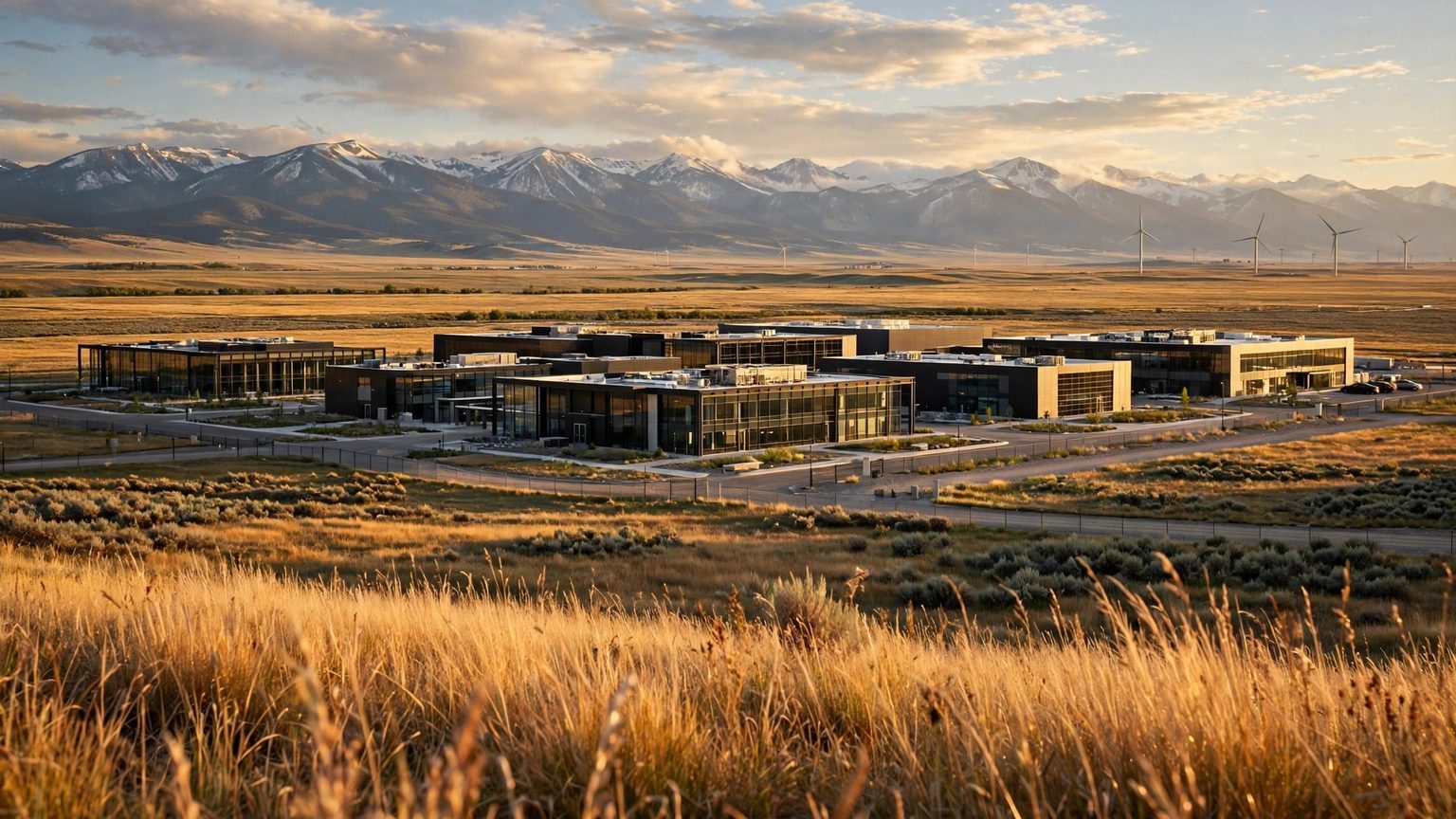
On November 5, 2026, Google announced it will build its first data center in Wyoming, in Laramie County, a long-term investment of $17 billion with partners Tallgrass Energy, Black Hills Energy, American Electric Power, and Related Digital. It is the first major compute investment Google has announced since the U.S. midterm elections, and the site, the power supply, and the community pledges all target the three questions voters care about most: who pays for the power, how water is used, and what the community gets in return.
A 702-megawatt fuel cell project is the heart of the power supply
At the core of the campus power supply is a 702-megawatt fuel cell project with carbon capture and storage, which Google describes as the largest commercial-scale deployment of its kind. The fuel cells are made in America by Bloom Energy and run on natural gas; the captured carbon dioxide will be stored at Tallgrass's Eastern Wyoming Sequestration Hub. Including earlier projects, Google's contracted carbon-capture capacity comes to nearly 1 gigawatt. Google is also buying gas-fired power from Tallgrass and Black Hills Energy, and is carrying out a front-end engineering and design study on fitting Tallgrass's combined-cycle gas turbines with carbon capture. The campus itself will be air-cooled to limit water use. According to earlier disclosures from the partners, the fuel cell facility is expected to be fully operational by the end of 2028, with power delivery starting in the second half of 2027. Google has pledged to pay for 100% of the power it uses and to cover the infrastructure needs directly driven by its growth, and it expects the project to generate hundreds of millions of dollars in local property taxes for Laramie County and School District 1; Google and its partners will also set up a community council.
Three things left unsaid
The $17 billion is a long-term investment total, and Google has not given a completion date for the campus; the property-tax figure is a projection, not revenue already collected. The carbon-capture part has gaps: Google says only that a 'large majority' of emissions will be captured, with no specific capture rate disclosed; fuel cells themselves do not capture carbon, so the capture equipment must be added separately and may come online on a different schedule; and the full life-cycle emissions of the gas, from extraction through generation to storage, have not been disclosed either. The site itself has a history: it was previously led by Crusoe, and Bloomberg reported in June that Google pressed for its exit over cost and schedule concerns. Taken together, the investment looks more like a framework agreement — the money and the direction are set, but the execution details still have to be delivered one by one, which is also why it is being judged alongside the more than $3 trillion in AI infrastructure commitments from the five giants.
Watch two dates next: power delivery starting in the second half of 2027 and the fuel cells fully operational by the end of 2028 — plus whether Google publishes an actual carbon-capture rate. Once that rate is public, it will be possible to judge whether this supposedly largest-of-its-kind fuel cell project is a model for cutting emissions or a transitional fix.