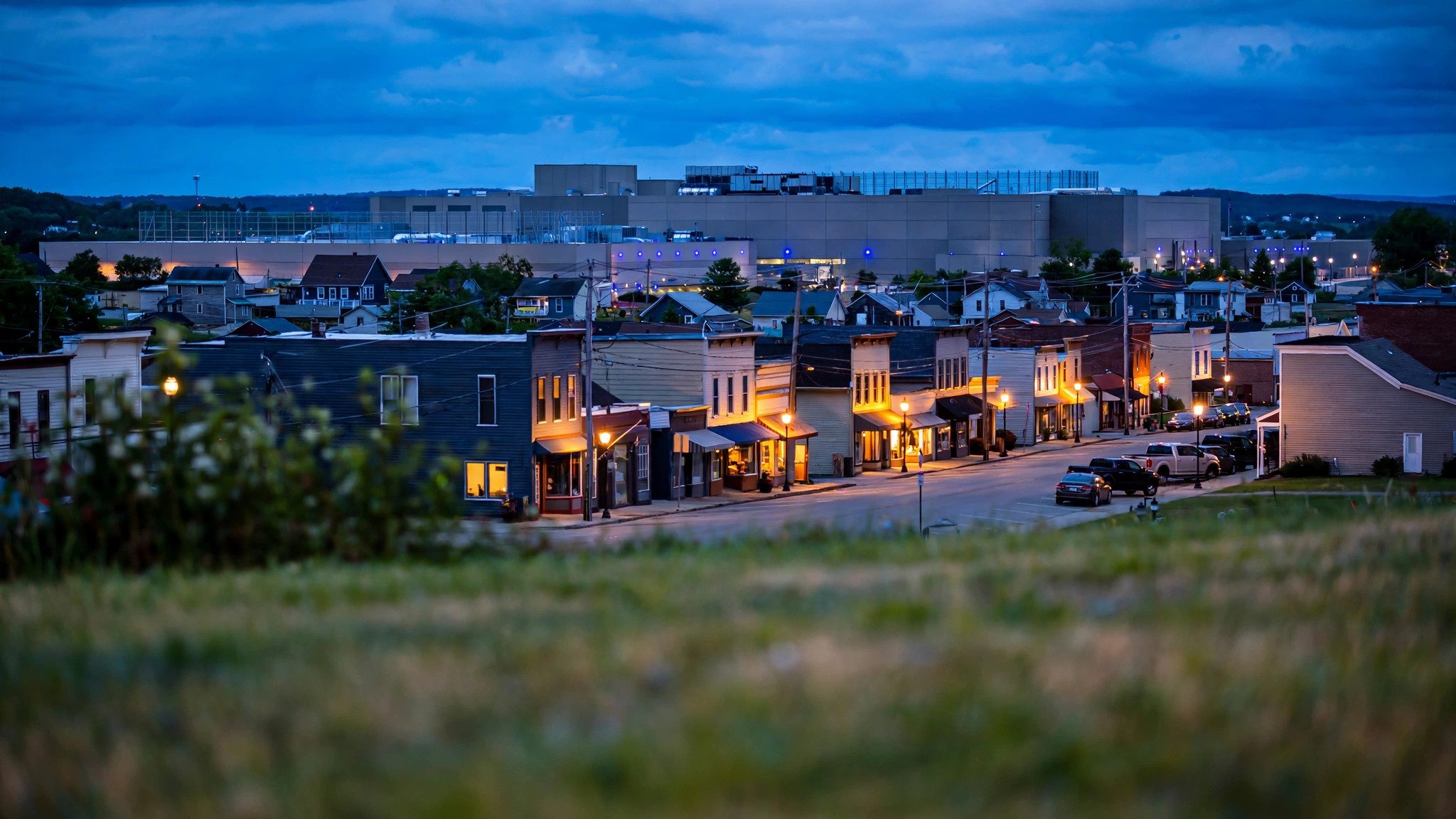
Data centers suffered a concentrated rejection in the US midterm elections on November 4. Preliminary tallies show that, of more than 40 local ballot measures related to data centers across the country, the overwhelming majority went against new construction or in favor of restricting it. For developers, this is not a setback for a single project: voters delivered a collective verdict on electricity prices, water use and the burden on their communities, and the political cost of local approvals has clearly risen.
Where voters said no
Ohio alone had more than 20 related measures, covering bans, rezoning and pauses on new construction, and most of the results went against developers. Alhambra, California, passed a ban with more than 80% support, about 77% of voters in Edgewater, Florida, backed a ban on new data centers, and Defiance, Ohio, approved a ban on facilities above 25 megawatts by about 63% to 37%. Other places chose softer limits: caps on power draw, financial guarantees from developers, or a pause on approvals pending further debate. The exceptions matter too: a proposal in Harwood, North Dakota, requiring prior review failed, some votes were advisory only and do not bind local governments, and some results were still being counted.
In Texas, the governor lost and power bills took center stage
The symbolic weight of the night was concentrated in Texas. Governor Greg Abbott had made Texas a data-center-friendly state, with more than 300 data centers already operating there, and that record drew sustained attacks during the campaign; he ultimately lost by more than 700,000 votes. Voters' grievances were concrete: 404 Media reported that many communities linked rising power bills, pressure on water supplies and changes in housing costs to data centers, while the promised local benefits had not reached everyday life. After the results came in, Elon Musk said data centers in space were "looking pretty appealing right now" — less a plan than an expression of frustration at blocked siting on the ground.
What developers face next
In the short term, bans and restrictions will directly raise siting and compliance costs, forcing developers to spend more time on community engagement and grid assessments rather than talking only about compute demand. But rejection votes do not mean construction stops nationwide: advisory votes can be set aside by local governments, most existing projects are unaffected by new bans, and Arkansas and North Dakota still have votes scheduled in December. By contrast, the United Kingdom is still pushing ahead with a plan to convert a power station into a data center, suggesting this resistance is first of all a product of American local politics rather than a sign of fading global demand. What to watch next is whether states turn local bans into state-level rules, and how grid operators answer residents' questions about who pays for power.