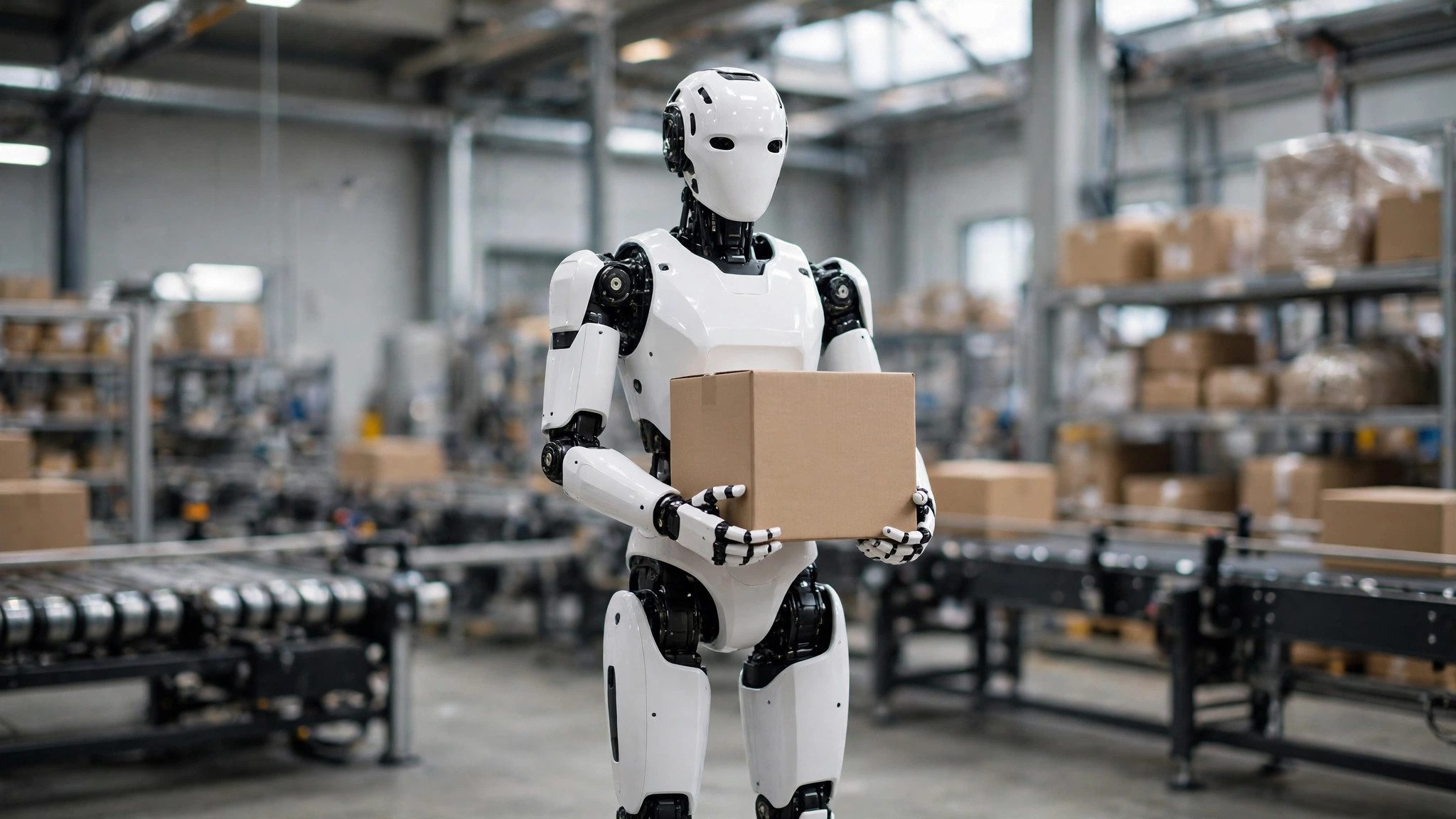
On November 29, the Financial Times published an interview with Koray Kavukcuoglu, head of Google DeepMind. He credited DeepMind's recent leap in capability and Gemini's faster release cadence to advances in recursive self-improvement — AI systems helping to upgrade themselves. But the claim that circulated on social media the same day, that "DeepMind has cracked self-improvement," is itself exaggerated.
The interview contains several verifiable facts. Google has shipped four Gemini 4 models in recent months: Argon became generally available on October 13, while Carbon, Hydrogen and Neon followed on November 10, 12 and 18 — the last three within eight days. Kavukcuoglu said Neon has set daily usage records in Antigravity and the Gemini app. Earlier, on November 19, he said in another interview that models can already propose hypotheses, build experimental models and check results at some stages of the research process; asked about a complete loop, he answered that it is still a long way off. In May 2025, DeepMind published a concrete example: AlphaEvolve sped up a matrix-multiplication kernel used in Gemini training by 23%, cutting training time by 1%.
First, Correct the Exaggeration
The lines need drawing. The Financial Times text does not contain the word "cracked," nor does it put a number on how much self-improvement contributed; Kavukcuoglu also stressed that Google will never completely give up human oversight. A fact-checking site went through the eight claims circulating online one by one: only three matched the interview, two were exaggerated and two do not appear in it at all. In other words, this is a lab chief publicly owning a direction, not a declaration that self-improvement has been solved.
What really matters is that the way research is done is changing: models are increasingly taking part in experiments for the next generation of models, and release cadence is speeding up as a result. For developers, Gemini updates will arrive faster and capability boundaries may move faster too; for regulators, the question becomes how to verify that a research process that "helps improve itself" stays controllable. A study published on November 23 by the UK AI Security Institute makes the point from the other side: the same monitor, tested with a different style of attack, saw its miss rate rise from 0.2% to 23%.
Three things are worth watching next: whether DeepMind publishes more concrete numbers on self-improvement; whether monitoring and evaluation standards tighten as a result; and whether the next Gemini keeps up this release pace after Neon. For background on AI agents running experiments on their own, see our November 26 report: DeepMind Hands Part of Its Compute to AI Agents: They Run Gemini Experiments Themselves, and Self-Improvement Is Still Far Off.