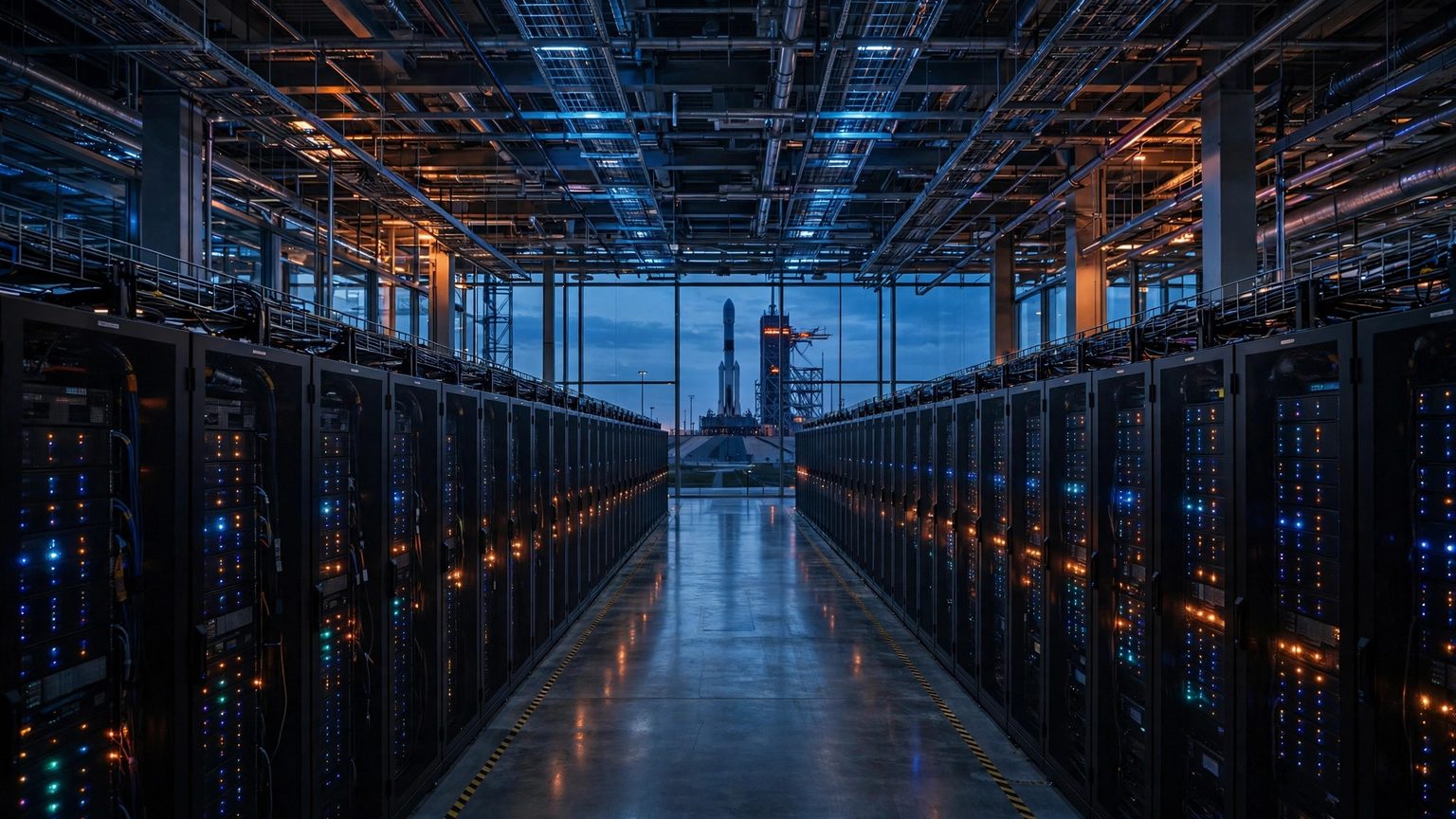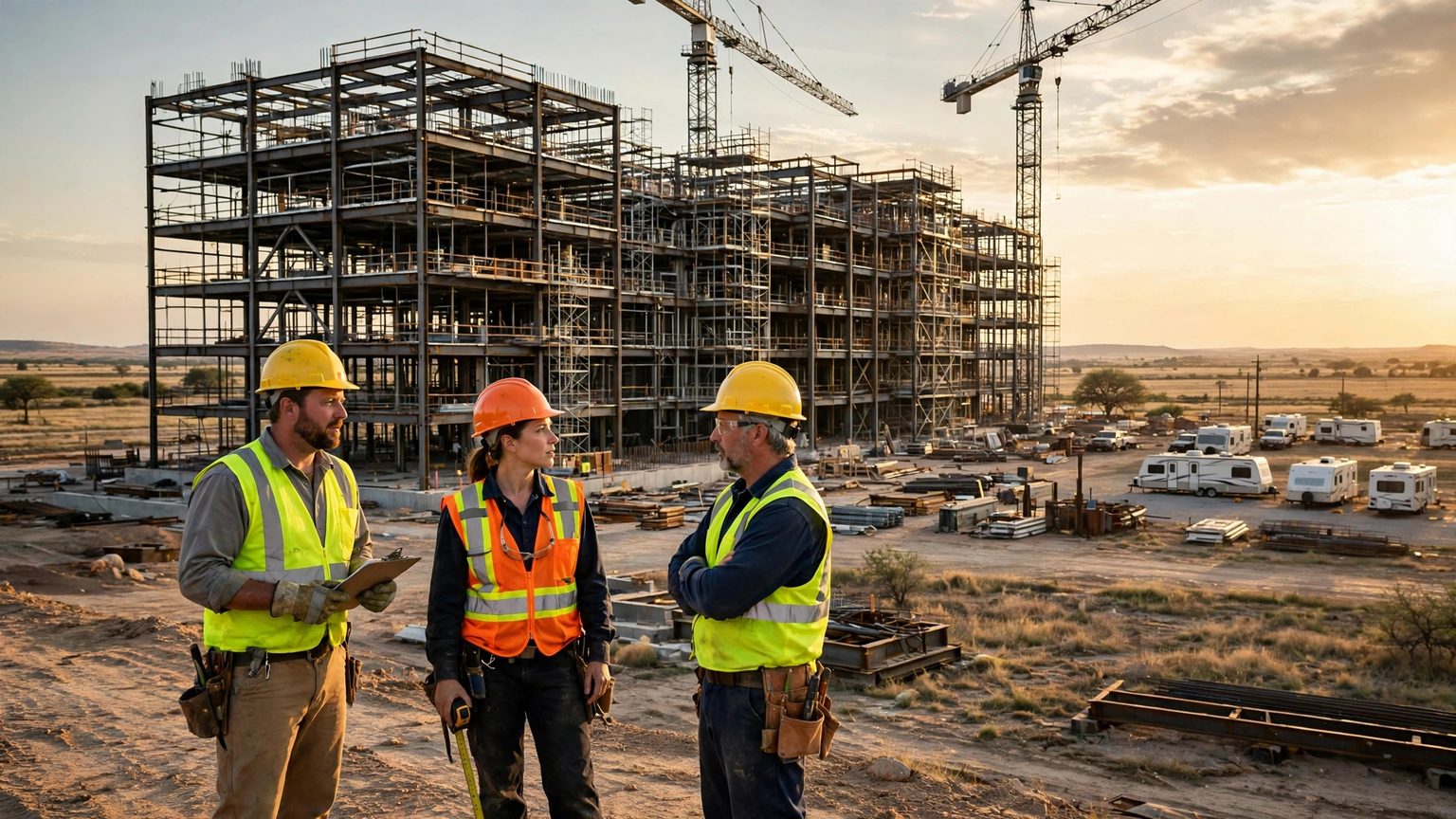
On November 28, CNBC reported on the bottleneck now facing AI data center construction in the United States: not chips, not power, but people. Reporters visited Abilene, Texas, where huge data centers are being built for OpenAI, Google, Oracle and others. Thousands of workers have flooded into the small city, RV parks keep expanding, and yet local builders cannot hire — and homes keep getting more expensive to build. The Associated Builders and Contractors estimates the construction industry needs 349,000 net new workers in 2026 just to keep up with demand.
In Abilene, data centers pay at least triple the local wage. A master electrician who works with a local homebuilder said one local electrical company lost 42 people in a single day. Homebuilding costs and timelines are rising, RV parks and temporary housing keep expanding, and local contractors complain that skilled workers are all being hired away by data centers. The backdrop is the $500 billion Stargate project — a data center cluster built jointly by OpenAI, Oracle and SoftBank, with the Abilene campus as one of its sites — and Meta's Hyperion data center in Louisiana, an investment of more than $50 billion. Meta has also put $115 million into workforce training. Industry surveys confirm the picture: a July–August survey by the Associated General Contractors of America found that among firms with data center experience, 58% felt competition for skilled workers intensifying and 42% said projects had been delayed by staff shortages.
The other side of the story is that the AI boom's bottleneck is moving from chips and power to people. Data centers push up local wages, but also the cost of building a home and the cost of living; local residents gain business and jobs, yet pay for pricier homes and longer build times. Policy is tightening too: the Texas governor-elect has called for a statewide pause on new data centers until new rules are in place, and voters in the midterms backed limits on data center projects. If Texas slows down, the building wave may shift to other states — and the labor shortage will move with it, not disappear.
Three things to watch: whether the Texas pause call becomes formal policy, how much of the gap Meta's $115 million training program can fill, and whether mega-projects like Stargate will slip their schedules because they cannot hire fast enough. Chips and power are easy to budget for; people are the hardest line in the ledger.