Liquid AI's decision model d1.3-ultra was released on November 27, just 11 days after d1.2. The MIT spinout's new model does not chat or write — it does one thing: return probability-weighted judgments on an input. On version 2.1 of the Artificial Analysis Decision Index, it scored 76.4, tying Bison 31B for first place, at roughly 40% of the rival's cost per task. A model that generates no text is turning "making a decision" into a capability that can be priced on its own.
What it does
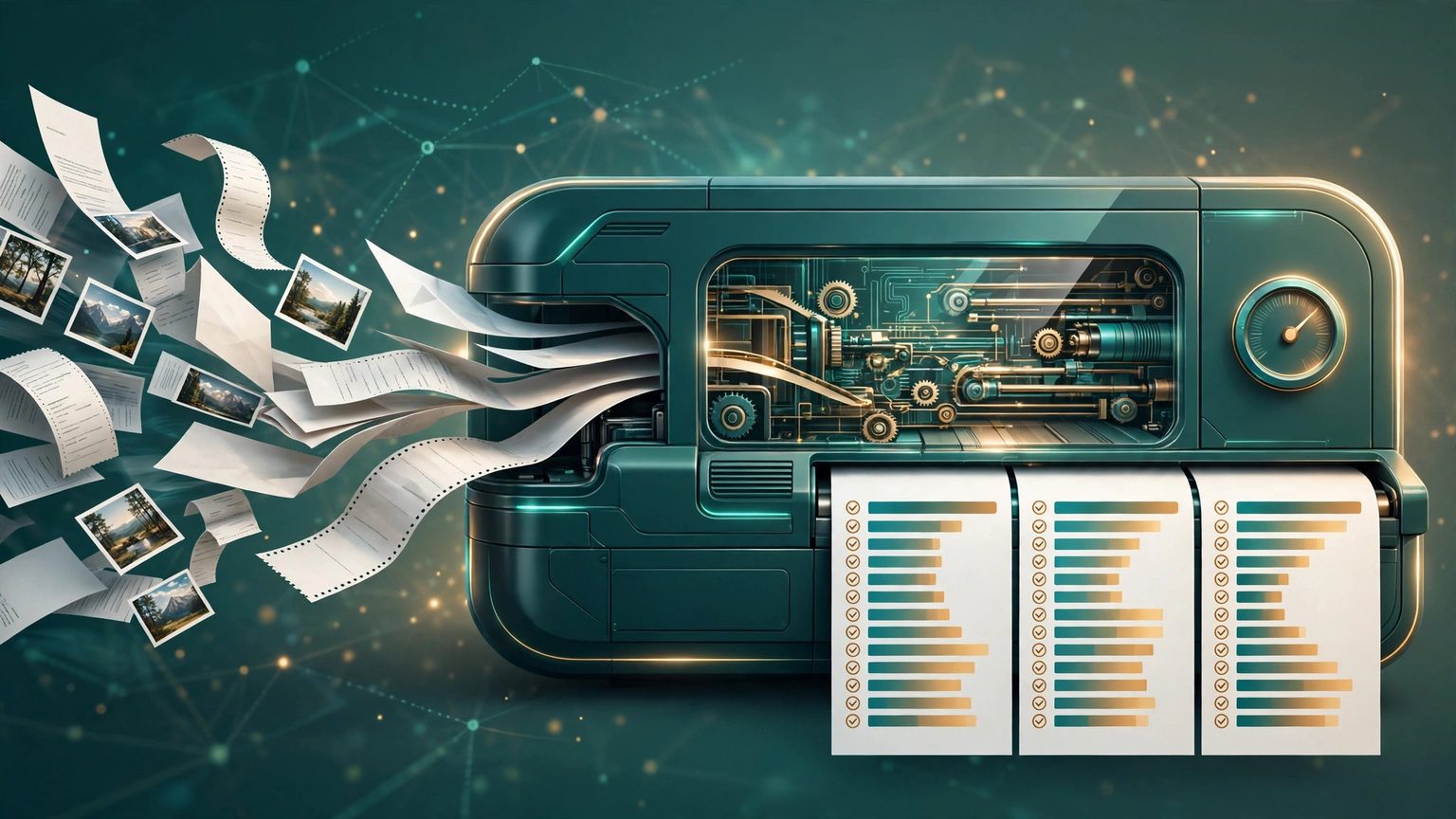
Decision models work completely differently from chat models. Give it an email, an invoice, a receipt photo, or an audio clip, plus a list of questions, and it returns each answer with a probability for every option in a single pass, generating no text. d1.3-ultra adds four capabilities over d1.2: ranking a list of options, returning the top K results, reading numbers and dates directly from images and audio, and locating the time span in which a passage appears in audio, with span-level citations. The model accepts text and image inputs with a 64,000-token context window; according to Liquid's documentation, it outputs calibrated probabilities with zero generated tokens, which is why it bills only for input tokens.
What the numbers mean
The Artificial Analysis Decision Index v2.1 covers 27 decision models, and d1.3-ultra ties Bison 31B at the top with 76.4. Cost is its real selling point: $133 per million benchmark tasks, against $345 for Bison 31B; per input token, d1.3-ultra charges $0.042 per million tokens, versus $0.10 for Bison 31B. On speed the order reverses: Bison 31B takes 154 milliseconds per task, d1.3-ultra 191. Choosing d1.3-ultra trades roughly 20% more time for 60% lower cost, which suits high-volume batch judgments where latency is not critical; where real-time response matters, Bison 31B is still faster. One benchmark, one version — the score should not be read as a verdict on every task.
Where to use it
d1.3-ultra is already available in the Liquid console and API; support on OpenRouter and Vercel is still listed as "coming soon," with no date given. The pace is worth noting: the d1 line has shipped four versions in four months, and the older d1, d1.1, and d1-ultra are already marked deprecated. As of checks on November 27–28, Liquid's documentation still lists d1.2-ultra as its strongest decision model, with no entry, model ID, or usage limits for d1.3-ultra. Its use cases are clear: agent triage, ticket classification, and receipt extraction — batch judgment tasks; anything needing conversation, writing, or long reasoning is not what it was built for.