Is the Oakley Meta HSTN worth buying? Here is the short answer first: from $399 (Meta's own store, checked November 15, 2026 — $449 with polarized lenses, $479 with Transitions), it is a pair of camera-plus-AI glasses built for sport, not a smart-glasses-with-a-display. If you run, ride, or fish every week and want first-person footage without pulling out your phone, it is worth serious consideration; if you just want everyday AI glasses, the Ray-Ban Meta at a similar price is easier to wear all day.
What Do You Actually Get When You Put Them On?
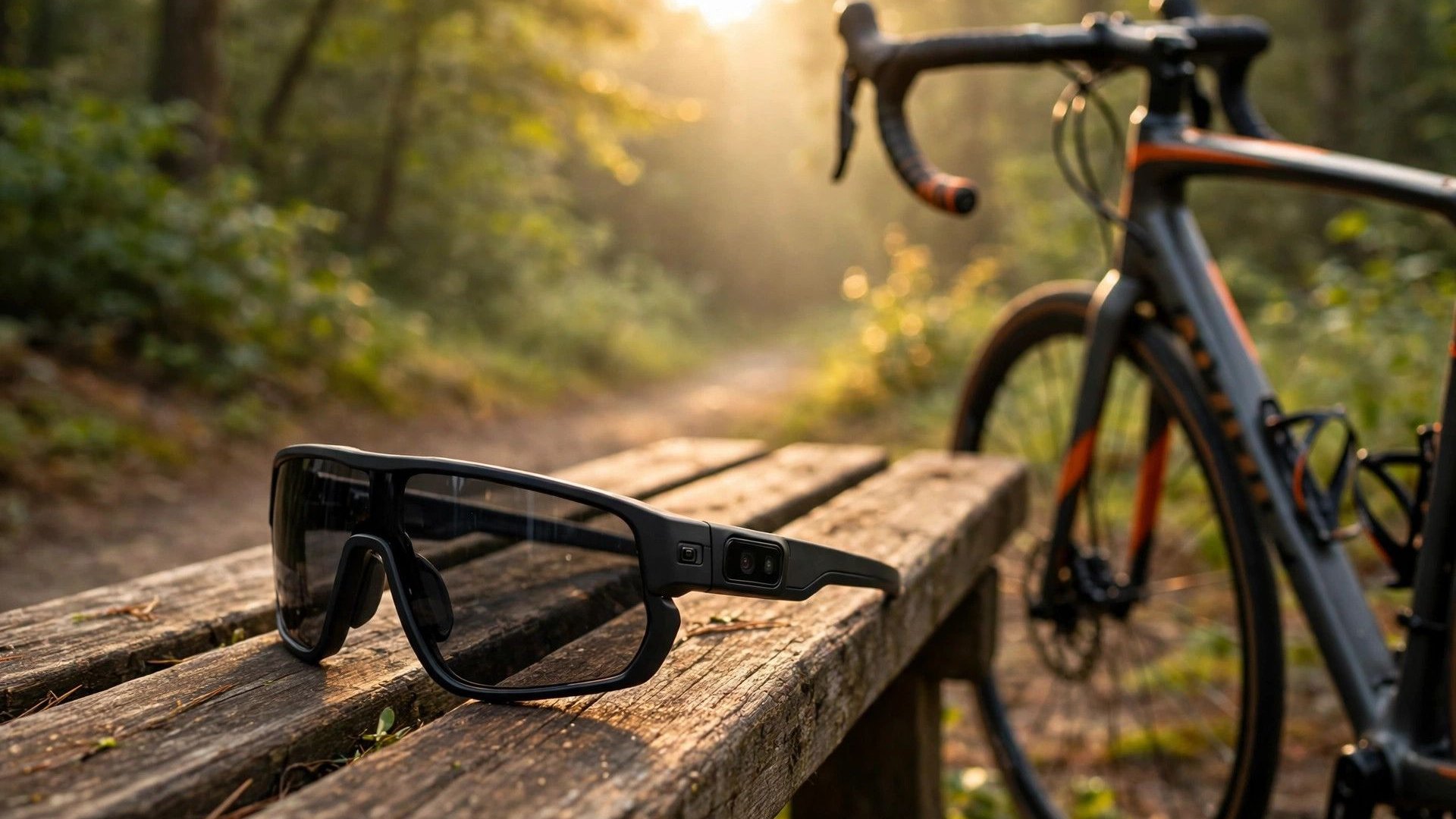
First, the most tangible part: a 12 MP ultrawide camera shooting 3K video, capturing what you see while you move — no need to stop the ride to take out your phone, no need to take your hands off the fishing rod. Open-ear speakers and a five-microphone array let you listen to music and take calls while exercising, with your ears open so you still hear the road. Say "Hey Meta" to ask questions or take a photo, and Meta AI answers by voice — no screen to look at. Workout data syncs through Garmin and Strava. Meta rates battery life at up to 8 hours, the whole thing weighs 53 grams, and it is IPX4 splash-resistant, so sweat and light rain are no problem. The lenses are Oakley's Prizm line, which makes vision clearer in bright outdoor light — that is where it pulls away from ordinary AI glasses.
Three Hurdles to Clear Before Buying
The first hurdle is that there is no display. Do not expect navigation, translation, or message alerts on the lens — all information comes through voice and your phone, and anyone used to looking at a screen will feel something is missing. The second hurdle is that the price is more than $399: $449 with polarized lenses, $479 with Transitions, prescription lenses extra, a spare charging case at $139, and a replacement lens at $85 — a complete setup runs well above the headline price. The third hurdle is region and privacy: there is no official sales channel in mainland China, so buying means going overseas or through a reseller, with warranty and after-sales to weigh yourself; first-person filming is convenient, but check the setting and local rules before filming other people, and do not raise the glasses where filming is not welcome.
Buy, Wait, or Skip
If you are outdoors every week, already use Meta AI, and accept $399 and up, buy them — for sport there is no rival at this price. If you want a display version, or mostly wear glasses for a daily commute, waiting is smarter: the Meta Ray-Ban Display with a screen starts at $799 and has not come down in price yet. If you only want translation and navigation, rarely exercise, and your budget stops at $300, skip them — translation earbuds or a phone on a mount are cheaper. If you are still unsure, first read whether the Meta Ray-Ban Display is worth buying — the trade-off between a display and no display is laid out clearly there; and for a lower budget with still no display, Google's smart glasses from $395 are worth comparing side by side.