Is the XREAL AURA worth buying? First, the verdict: $1,099 is the launch price through the end of the year, with a regular price of $1,279 — what you are buying is early access to a first-generation Android XR glasses, not a mature everyday device. It is the first wired XR glasses from XREAL, developed with Google and Qualcomm, launched on October 28, 2026, running Android XR with Gemini, with shipments starting in mid-November.
A display added, but lightness comes at a price
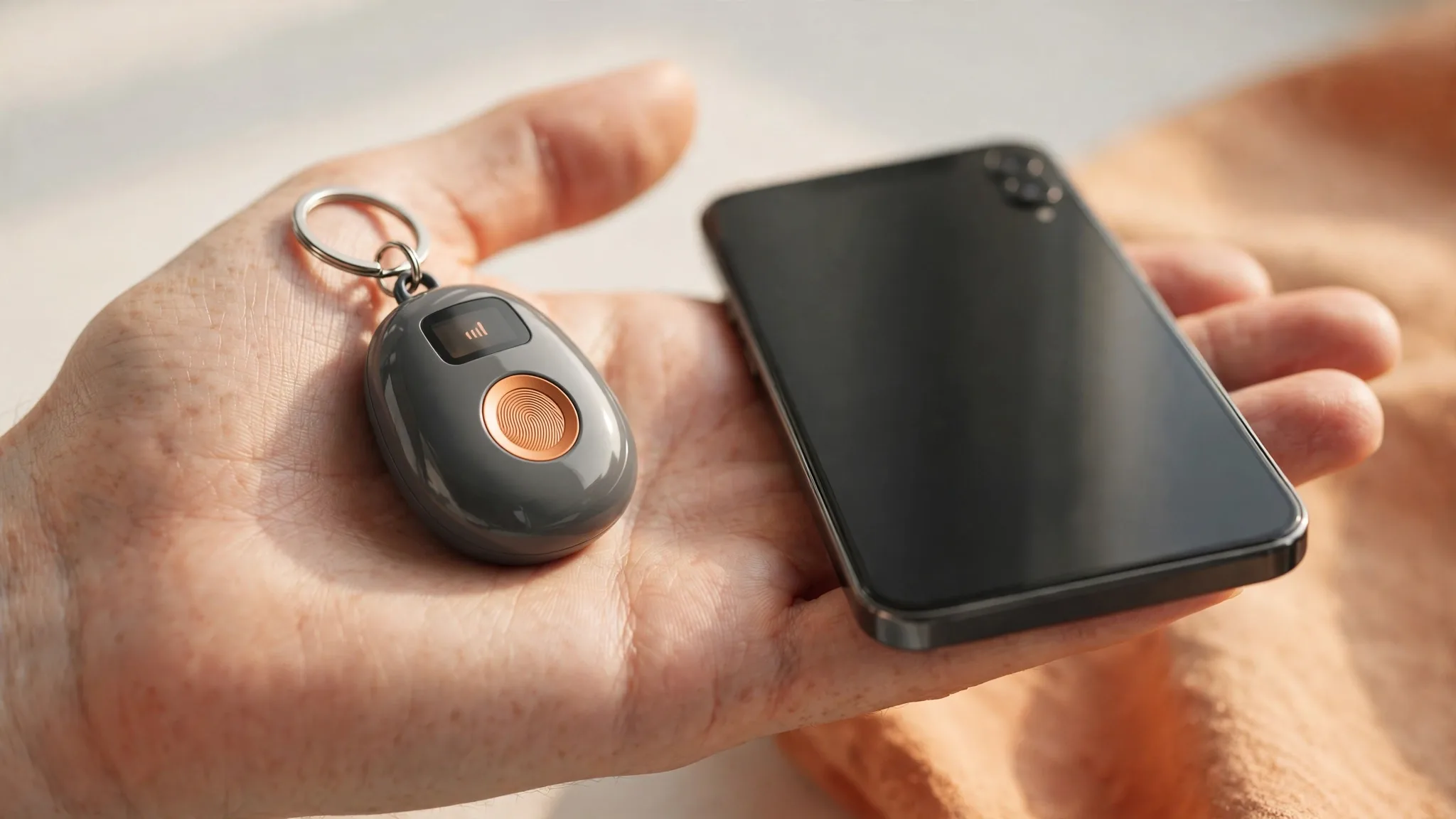
The selling point of the XREAL AURA is that content appears directly on its transparent lenses: within a 70-degree field of view you can open several windows at once, Gemini understands what is in front of you and helps tidy windows, find your way, or talk you through a game, and a laptop plugged in with a USB-C cable that supports video output becomes a private giant screen. The glasses themselves weigh under 95 grams, because the computing power and battery moved into a wired compute puck, built on the debuting Snapdragon Reality Elite platform. The trade-off is that you have to carry an extra puck and a cable when you go out — these are not smart glasses you just put on and walk away with.
Confirm three things before ordering
First, the ecosystem is still young: Google cites more than 150 apps made for XR, yet early reviews find the Android XR app catalog thin, so check that the apps you actually use are there before buying. Second, the price is only a starting point: $1,099 buys the 12GB of memory and 256GB of storage version, while the higher 16GB and 512GB version is $1,299 on launch pricing, $1,499 at regular price, and the launch covers only the United States, Canada, South Korea, and Japan. Third, privacy and fit: Gemini's share-your-view feature reads what is in front of your eyes, and long-wear comfort and prescription lens options should be clarified before ordering.
Who it suits, and who it does not
It suits XR enthusiasts, developers, and people who want multi-window work on the road or in public places, as well as viewers who treat a private giant screen as a must-have. It does not suit anyone who just wants everyday AI glasses — it is heavier, pricier, and more cumbersome than ordinary AI glasses — nor anyone on a tight budget or waiting for the ecosystem to mature. The alternatives nearby are clear: Google's smart glasses in the Warby Parker frames start at $395 but have no lens display, while the Meta Ray-Ban Display does have a lens display, starting at $799, with an ecosystem and price closer to everyday use.