The Jetson AGX Thor is NVIDIA's most powerful Jetson developer kit for humanoid robots and physical AI, and it now costs $5,499 — its $3,499 launch price is already history. If you are thinking of buying it to take home as a desktop workstation for running large models locally, the math will most likely not work out; if you genuinely need to deploy models on a robot, it is worth serious consideration.
What $5,499 buys
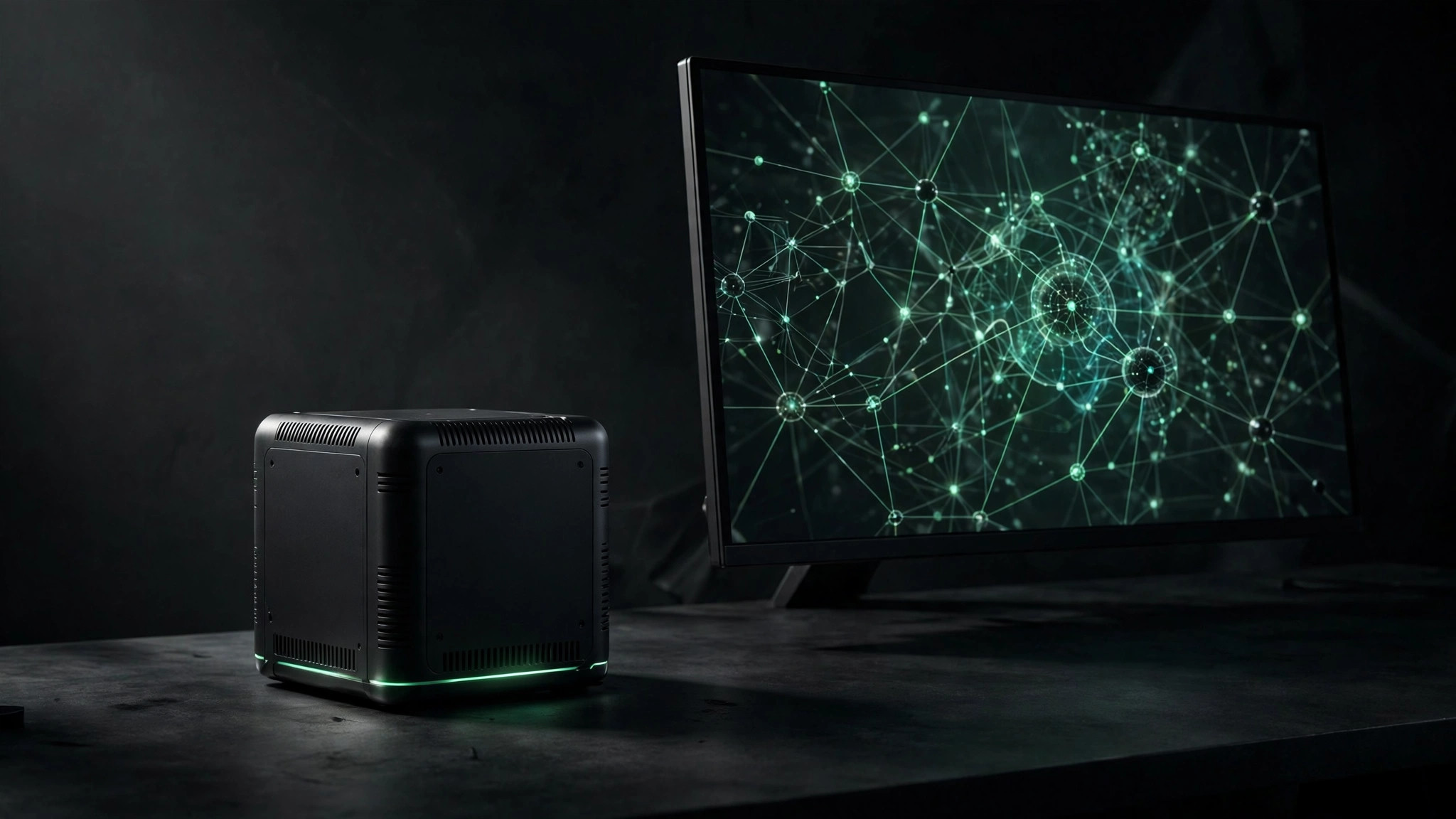
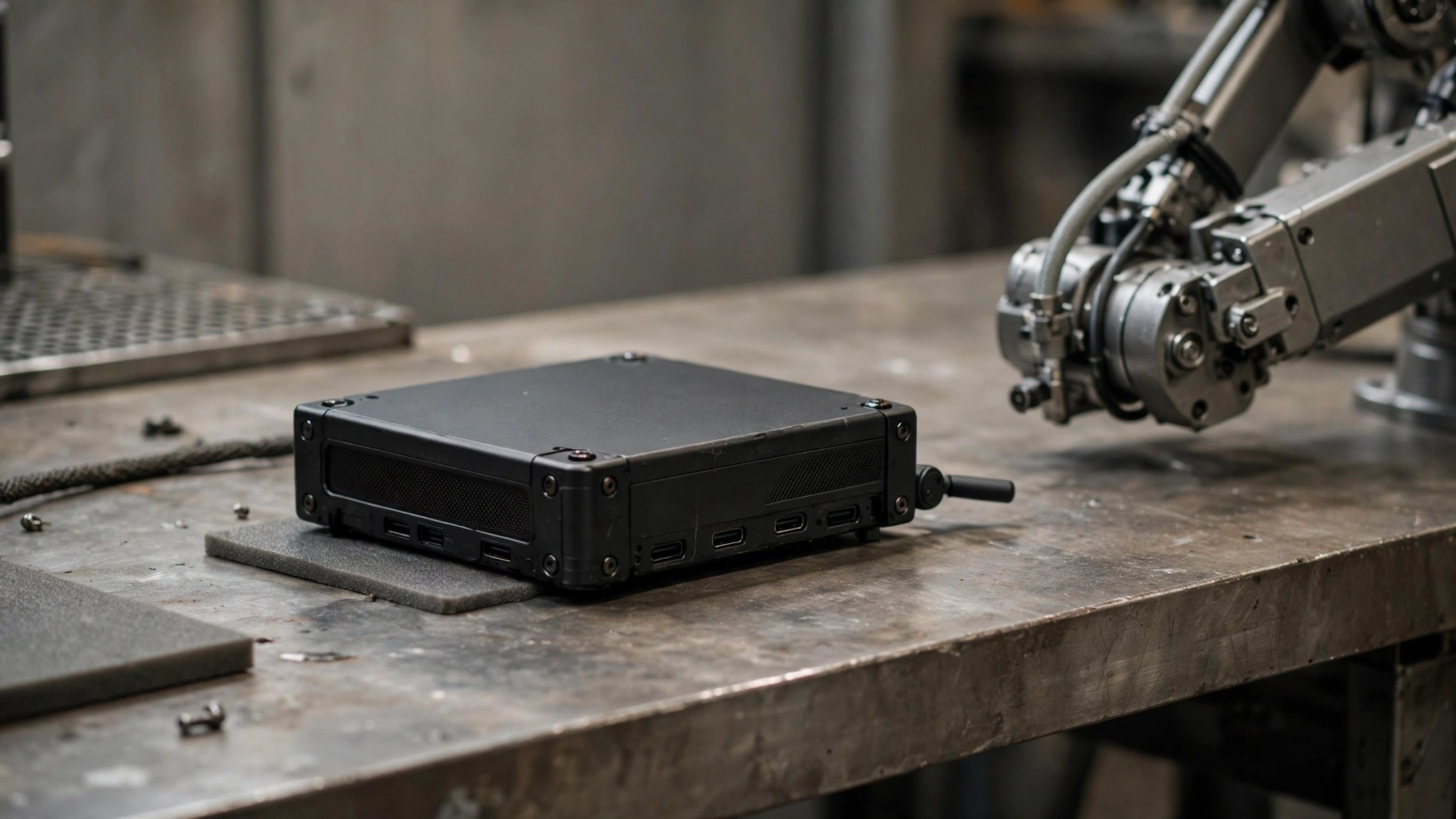
The developer kit delivers 2,070 FP4 TFLOPS of compute with 128GB of memory, and its power draw can be adjusted between 40 and 130 watts. It is built around the Jetson T5000 module, and its job is to put compute inside a robot so models can run there — not to run large models locally on a desk. The kit includes a 1TB SSD and ships with JetPack 7; it is aimed at robot tasks such as object manipulation, navigation, and carrying out complex instructions, and it has a high-speed sensor interface for connecting a robot's various sensors.
The hurdles and the costs
Buying a Thor means clearing two hurdles. First, the price: at $5,499 it is $2,000 more than the launch price, and that difference has to be factored into the budget — you cannot plan on the old price. Second, the buying channel: NVIDIA's product page lists no price and says to buy through partners, so in practice you have to go through a distributor to ask for a quote and place an order. On top of that, its robot interfaces and Arm architecture are built for deployment scenarios; someone who only wants to run models on a desktop will pay for parts they never use, and power and cooling have to be planned around the conditions of a robot or an edge device.
Who it suits — and who it does not
The Thor suits developers working on robots, visual AI, or edge deployment who need a high-compute development board that can be fitted into a machine to test models and systems. People who only want to run large models locally on a desktop and want a workstation experience that works out of the box should not buy it; for the same budget, there are options better matched to desktop use. People who would rather wait for smaller follow-up modules can also hold off and watch for further official news.