Yes, but don't just shove the full version onto your phone. What iFlytek open-sourced for Spark X2.6 is only the small on-device model, Spark-X2.6-4B, under the Apache 2.0 license. What can run on a phone is its INT4 or GGUF quantized build. To use it on an ordinary phone, first check that you have enough memory, install the quantized build, and accept that it only handles light work. The weights of the 293B cloud flagship are not open — don't mix the two up.
- Only the 4B model is open: it was released at the 1024 Developers Day on October 22; the 293B flagship is available only as an API trial, with its weights closed.
- The phone runs the quantized build: the BF16 full weights are too heavy; INT4 and GGUF quantized builds are the way in for phones and light devices.
- Three official paths: the XHToken organization on Hugging Face, the INT4 build on ModelScope, and the model under the SparkLLM name on Ollama.
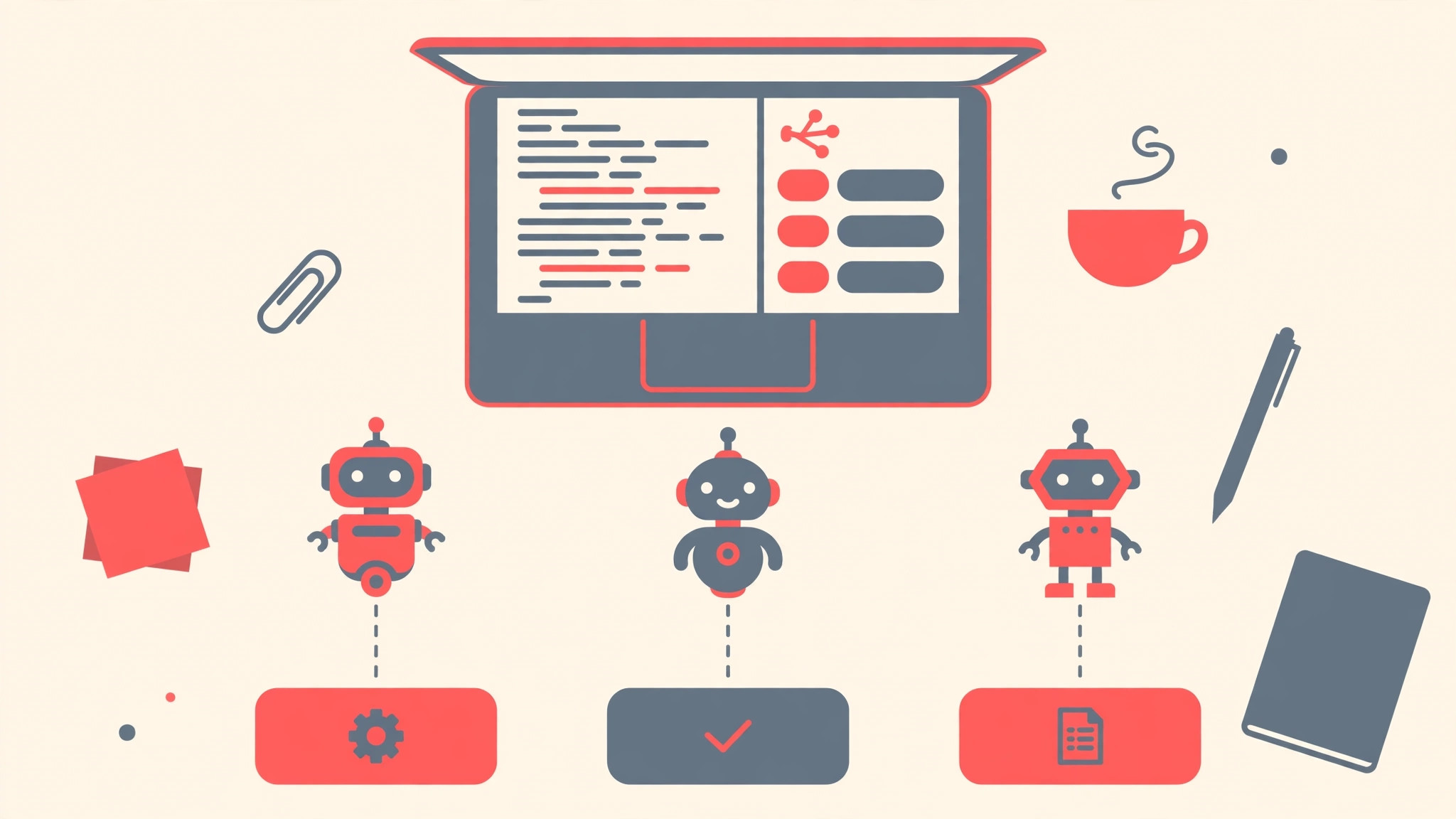
- The on-device model only does light work: it handles private data, simple operations, and instant interaction locally, while complex reasoning goes to the cloud flagship.
Getting it running on a phone, in three steps
Step one, pick the build: on a phone, go for INT4 or GGUF first, not the full BF16 weights. Step two, pick the channel: download the weights from the XHToken organization on Hugging Face, use the same-named INT4 repository on ModelScope for downloads in China, or pull the model under the SparkLLM name on Ollama for a one-click trial. Step three, settle the division of labor: the local model first does intent recognition, masks sensitive information, and handles light operations, while heavy jobs like long-document retrieval and hard coding go to the cloud. iFlytek puts on-device agent-task coverage at 41.9%, which means more than half of complex tasks need the cloud anyway — don't treat your phone like a server.
Limits and misconceptions
There is no official list of supported phone models, nor official figures for time-to-first-token or tokens per second on specific phones, so check the source when you see concrete phone benchmarks. Memory is the first barrier: even the quantized build needs enough RAM, and keeping it resident drains battery and generates heat. Another common mix-up: cloud-edge collaboration does not mean stuffing the flagship model into your phone — it means the local 4B model first decides which steps go to the cloud. It runs on a phone, but it runs more stably on a PC; for heavy coding and long agent tasks, going straight to the cloud API is the better deal.
The license is straightforward too: Spark-X2.6-4B uses Apache 2.0, so commercial use and further development need no separate permission — if you modify and redistribute it, just keep the required notices as the license asks.