PLaMo 3 Translate is a translation-specialized model whose weights Preferred Networks (PFN) released openly on November 5. It supports 53 languages, and the smallest 0.8B version can translate offline on a smartphone. If what you want is translation that works without an internet connection and never sends your source text to the cloud, it is worth a try. If you expect it to chat, write code, or act as a general-purpose assistant, pick a different model.
Official repository and buzz
The weights live on Hugging Face under the organization pfnet, in four repositories: plamo-3-translate-0.8b, 2b, 8b, and 31b. The model comes from PFN's own translation service, PLaMo Translation, built on PLaMo 3 NICT — a base model jointly developed with Japan's National Institute of Information and Communications Technology (NICT) and further trained on tens of billions of translation tokens. It accepts surrounding context and glossaries as input, and for Japanese you can choose plain or polite style. The license is the PLaMo Community License: personal and non-commercial use is free, and so is commercial use for companies with revenue of 1 billion yen or less in the previous fiscal year; above that, separate terms apply.
Deployment cost and getting started
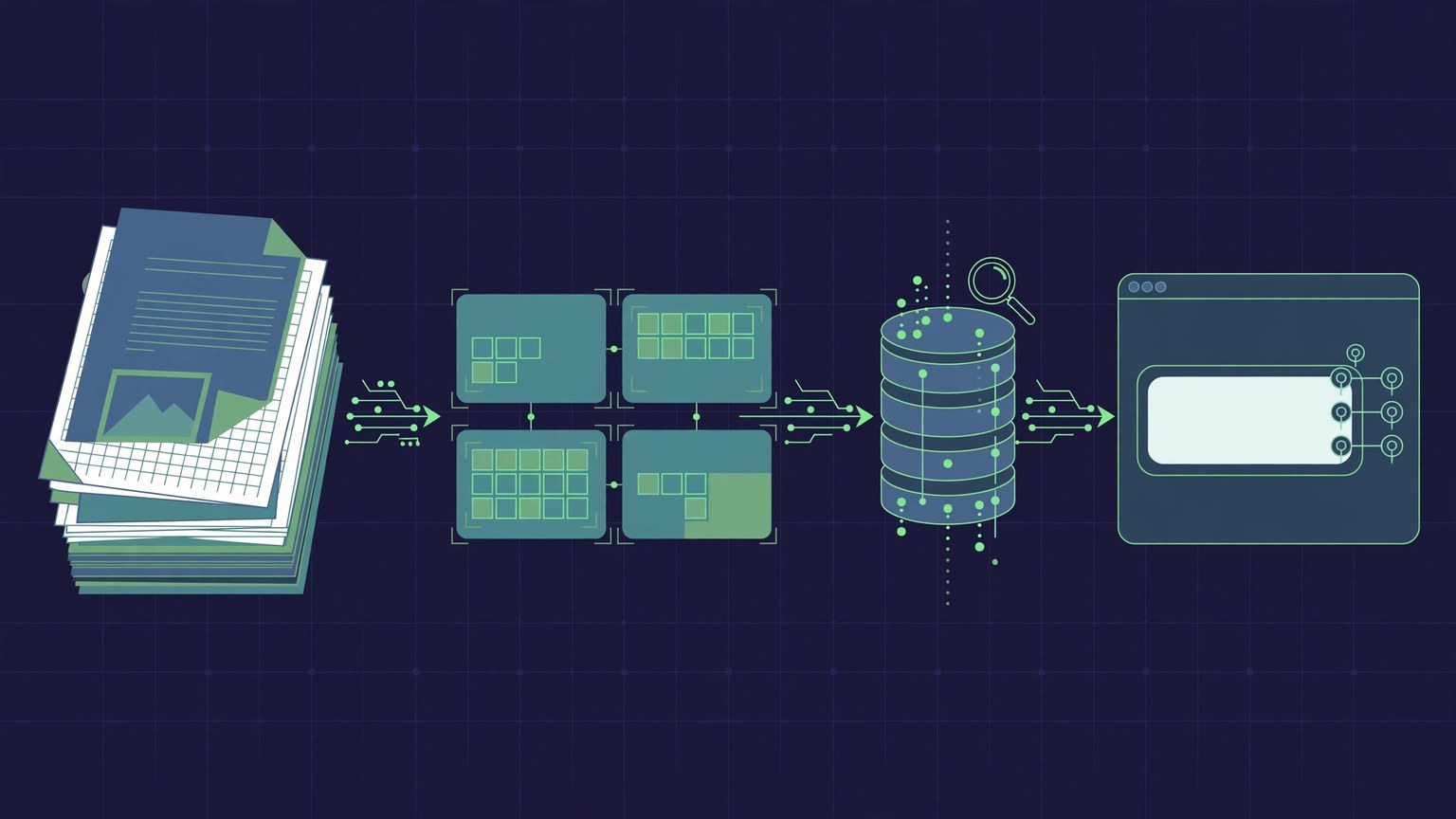
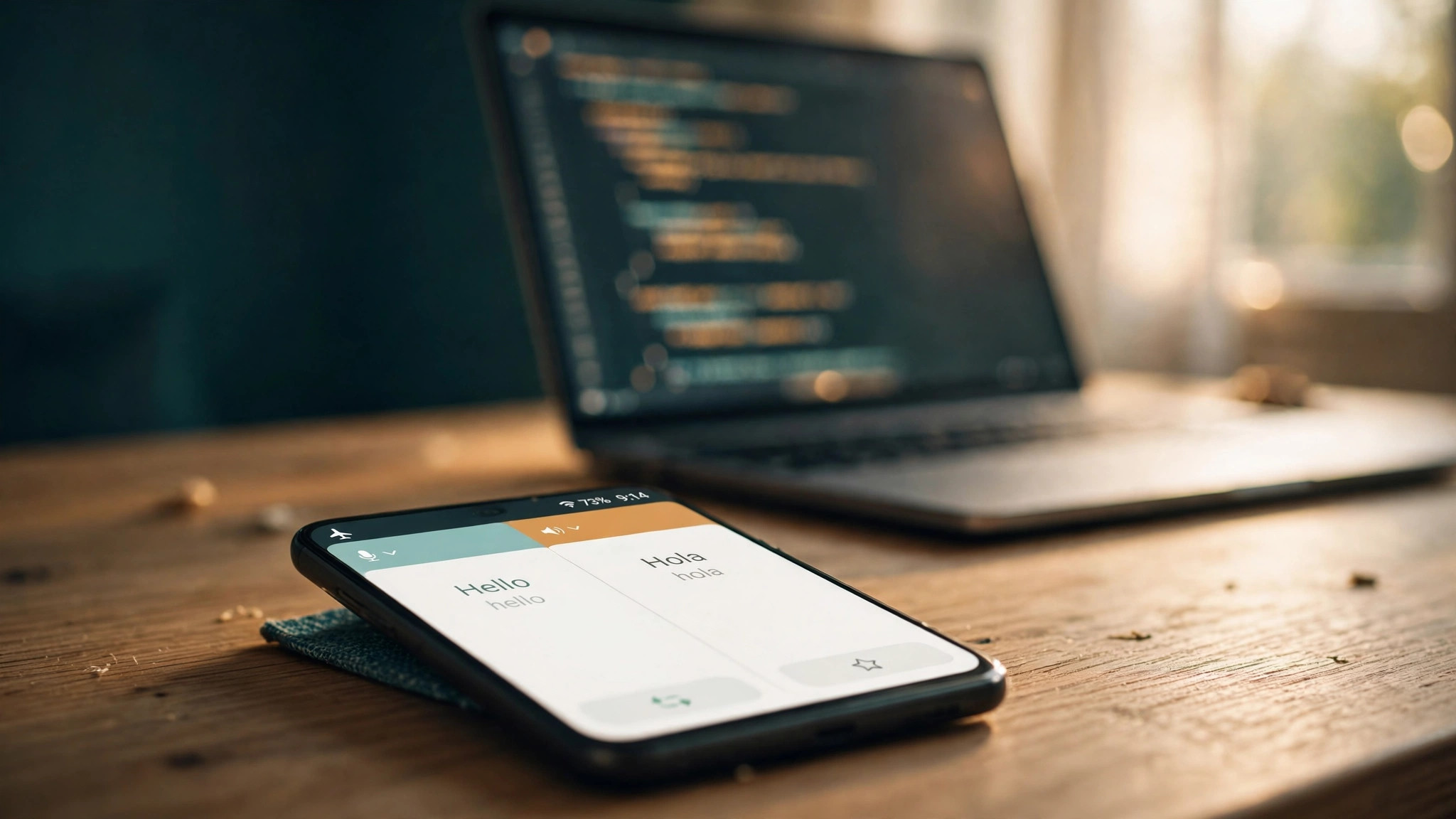
Pick the size by device: 0.8B runs on phones and wearables, 2B fits light laptops, 8B needs a GPU or a Mac, and 31B is the highest-quality version that only a server can really handle. The formats are generous: alongside BF16 there are quantized variants such as FP8, W4A16, and NVFP4, plus GGUF and MLX formats for Transformers, vLLM, llama.cpp, and mlx-lm. Getting started takes three steps: settle the size and format for your device, download the matching repository from the pfnet organization on Hugging Face, then load it locally with a matching inference framework. PFN has demonstrated 0.8B translating on a phone in airplane mode, but that was only an internal demo — there is no official phone app yet. To use it on a phone, you will need to integrate it yourself or wait for third-party apps.
Pitfalls and limits
First, it only translates. It is not a general-purpose model, so chatting, reasoning, or coding with it will disappoint. Second, a single call is capped at 32,768 tokens for input and output combined, so long documents must be split into chunks first. Third, offline really means offline, but quality follows size: 0.8B is about having it with you anywhere, while serious quality needs 8B or 31B. Fourth, the license is not a permissive one like Apache 2.0 — check your own revenue against the PLaMo Community License before commercial use. Teams and developers who only need translation and care that data never leaves their own network can go ahead; ordinary users who want something that just works should wait for a finished phone app.