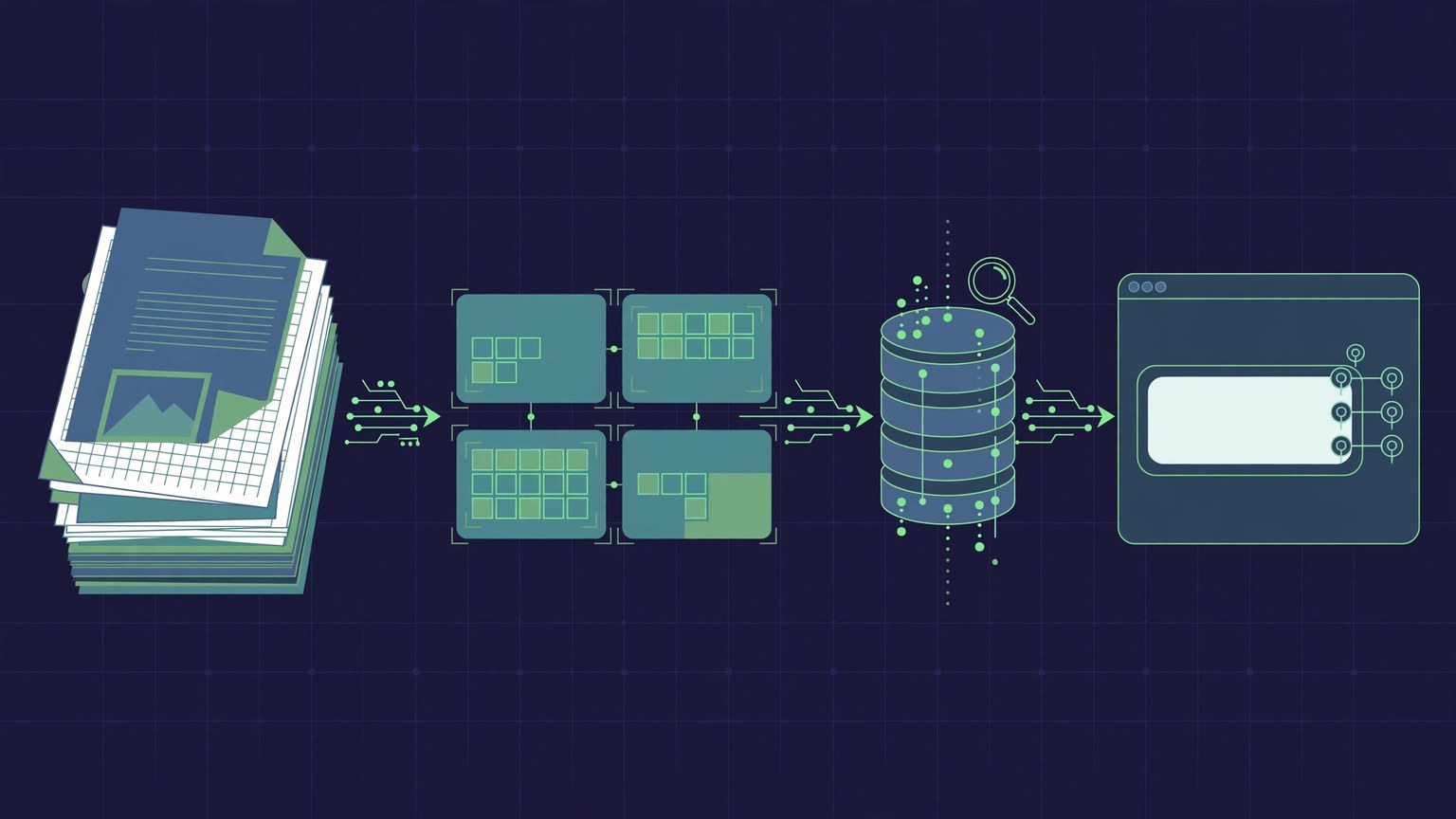
Whether RAGFlow is worth the trouble depends on whether your documents are really "hard to chew". It is the RAG engine open-sourced by InfiniFlow on GitHub, built around deep document parsing: scanned PDFs, documents with tables and layouts, and mixed text-and-image material can all first be broken into structured chunks and indexed, with citations attached to answers. If your knowledge base is only a small set of clean plain-text web pages, that parsing power goes unused, and the effort is much less worthwhile.
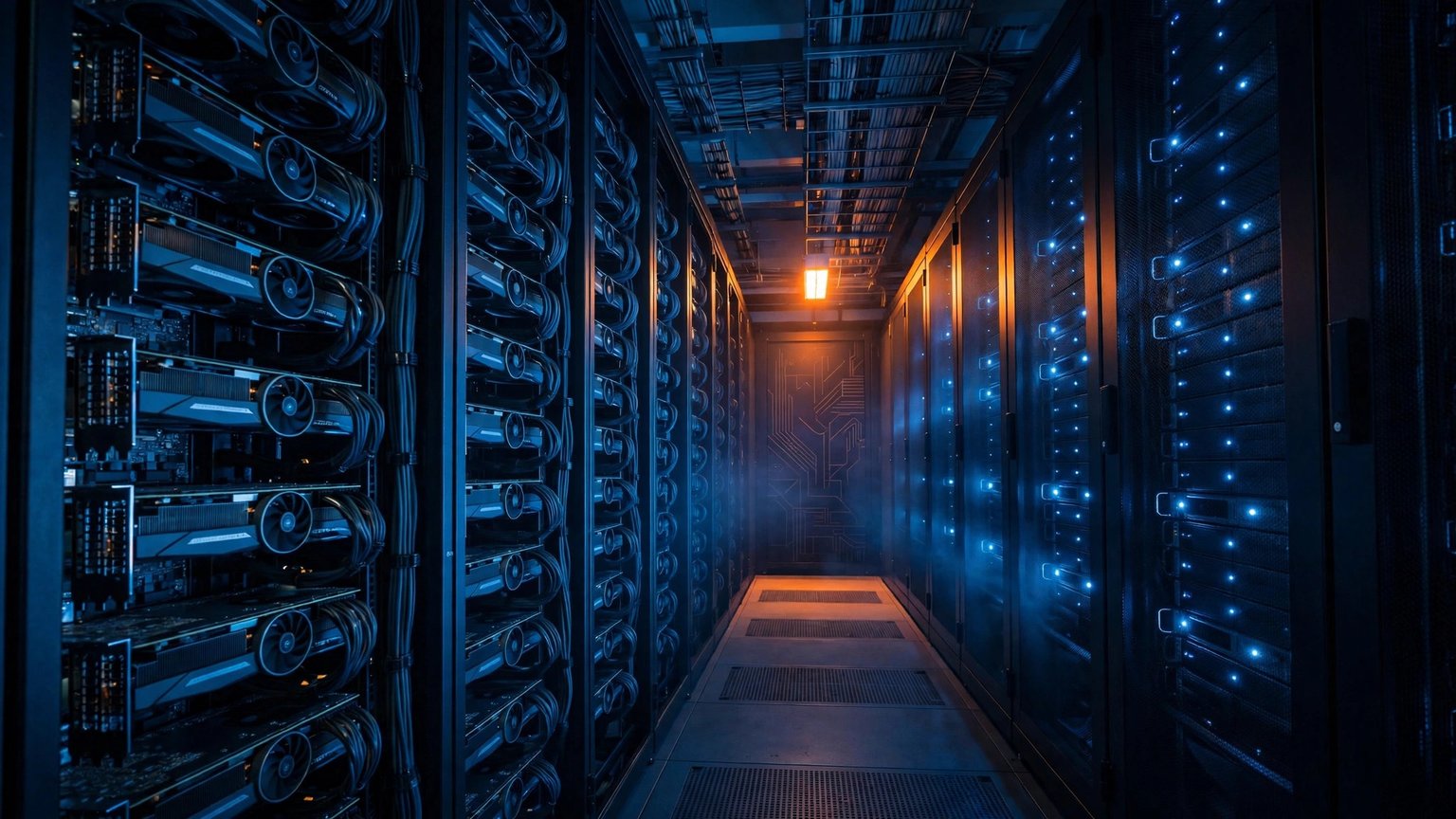
The official repository details are stated here in the text: the platform is GitHub, the organisation is InfiniFlow, the project is RAGFlow, and the licence is Apache 2.0. The system is made of several containers: RAGFlow itself handles the interface, API, and task execution; Elasticsearch or Infinity serves as the document engine; MySQL stores metadata; Redis queues parsing tasks; and object storage holds uploaded files. Models must be connected yourself; in the 1.0 open-source release, the DeepDoc parser used for parsing runs CPU inference, handling layout analysis, OCR, and table recognition.
Deployment cost: start from the recommended configuration
The officially recommended starting configuration is 4 CPU cores, 16 GB of memory, and 50 GB of disk, with Docker 24.0.0 or later and Docker Compose v2.26.1 or later. Deployment means cloning the repository, entering the docker directory, and starting the prebuilt images with Docker Compose; when using Elasticsearch, set vm.max_map_count on the host to at least 262144. Prebuilt images are currently provided only for x86, so machines on ARM64 should check the official notes. Actual cost follows document volume, parsing tasks, and concurrency; CPU is the bottleneck when parsing scanned documents in bulk, so first run a full end-to-end test with a few dozen real documents, then settle the production configuration.
There are four real pitfalls. First, parsing quality depends on the documents themselves: blurry scans, tables spanning pages, and unusual layouts must be spot-checked first, because once parsing is wrong, tuning chunking afterwards will not save it. Second, models must be configured yourself: if the chat model, embedding model, or reranking model is chosen wrongly, answer quality and cost go wrong together, so settle the source and billing of the three models before deploying. Third, operating a multi-container stack is an ongoing cost: upgrades, backups, and disk cleanup all need someone in charge, and people who want to "install once and forget it" easily end up months later with an unmaintained old version. Fourth, a citation attached to an answer does not mean the citation is necessarily right; scenarios involving contracts or compliance material require spot-checking the original text, and permission isolation must be configured to match the real organisational structure.
It suits people who hold large volumes of PDFs, scans, and tabular documents, need traceable answers, and are willing to maintain a Docker stack themselves, whether a team or an individual developer. It does not suit people whose documents are few, cleanly formatted, and who only want a quick Q&A demo, who will be faster with a lighter solution or a hosted service; nor people with no operations time who want something that works out of the box, since parsing power cannot make up for an unmaintained operations gap. First try parsing with the official cloud service, and only self-host once the results are confirmed good.