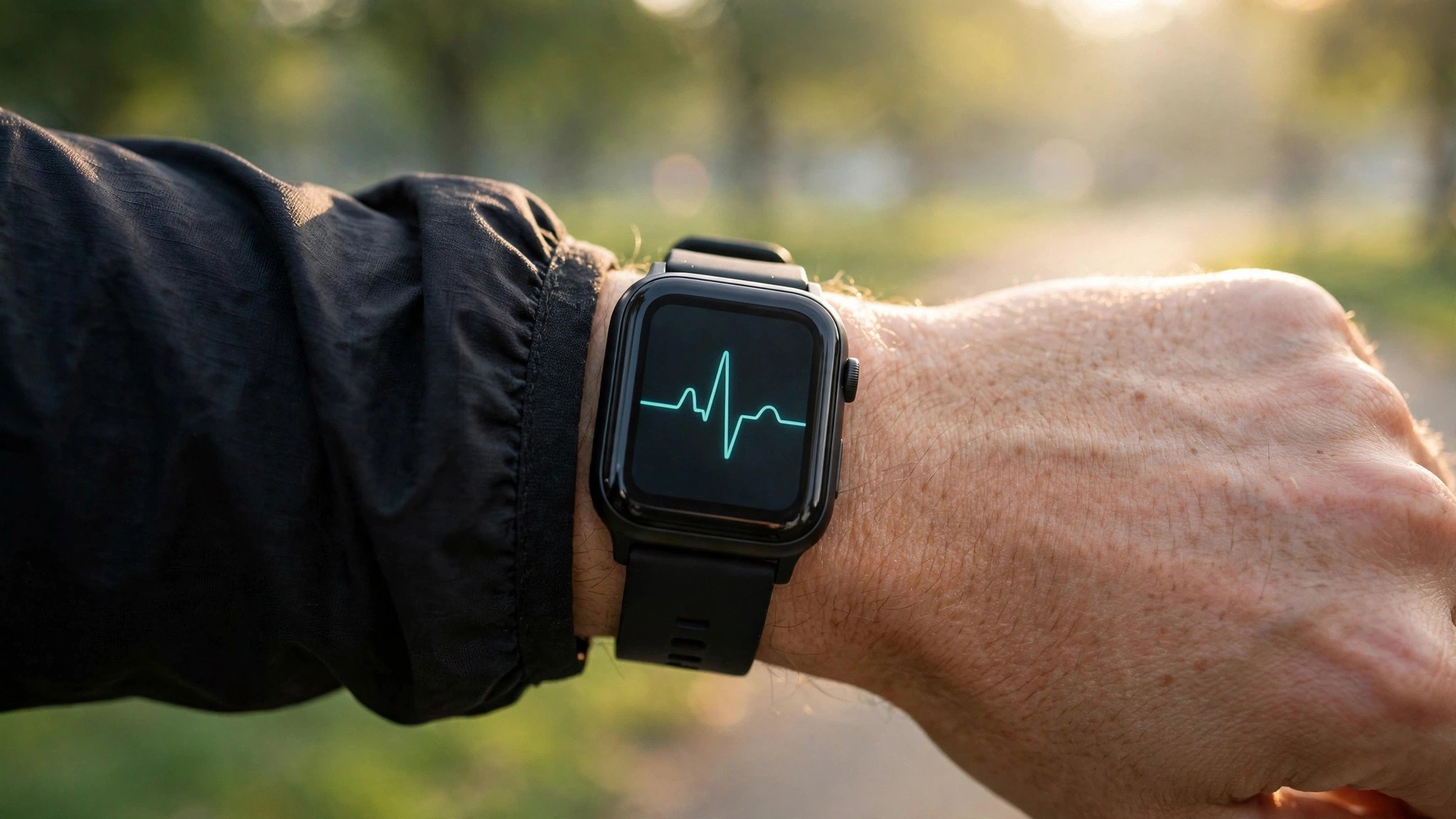
Whether the Apple Watch Series 12 is worth buying comes down to this: if you already use an iPhone and want a watch with no subscription, it deserves serious consideration; if you own a Series 11 or newer and mainly want the blood pressure reminder, do not rush to upgrade. It went on sale on September 18, 2026, with a US starting price of $399 on Apple's official site — check the current price on the official site before buying. Its biggest change is not the look, but how often it samples: Apple calls it the Health Sensing System, measuring heart rate every five seconds all day, and denser data is what makes features like readiness, which need continuous data, meaningful.
The crucial distinction is between a hypertension notification and measuring blood pressure. Series 12 does not measure blood pressure and will not give you systolic and diastolic numbers; what it gives is a notification: over a 30-day evaluation period, the system analyzes optical heart sensor data and, if it sees signs of hypertension, prompts you to get checked further. The scope has limits too: people under 22, people who are pregnant, and people already diagnosed with hypertension are outside the intended group, and a notification cannot replace a blood pressure cuff, let alone a diagnosis. Regional availability follows Apple's official support documentation — do not order based on rumors.
Beyond the selling points, count three costs first
The first is charging. It is rated for about 24 hours at most, so heavy use means charging every day — a step back for anyone used to a band that lasts a week. The second is the ecosystem. It must be paired with an iPhone; Android users are out entirely, and iPhone users still need to confirm their model and software version are supported. The third is the trade-off in features: the SE 3 costs considerably less, but has no ECG, blood oxygen, or hypertension notifications, so for someone who only wants basic health and workout tracking, the Series 12 price difference is not worth it.
It suits people who wear it every day, are happy to charge daily, and value ECG and sleep apnea notifications; it does not suit Android users, people who hate charging every day, or people whose Series 9 or later watch already covers their health needs. For that last group, first check in the watch settings whether hypertension notifications are available in your region — if they are, there is no need to change watches. Before buying, try it on: whether the case and band sizes fit, and whether it feels comfortable for a whole day, matters more than the spec sheet.