What an AI smart band really sells is not artificial intelligence, but the set of data it records around the clock on your wrist: steps, sleep, heart rate and exercise. Whether it is worth buying depends on whether you will actually wear it every day, whether you will look at the data, and whether your expectations of that data are in the right place.
Steps and sleep are useful for most people
The value of step counting is not the number itself, but whether it gets you walking a little more. A band turns sedentary reminders, daily goals and streaks into visible feedback, which helps office workers who sit all day and people just starting to exercise most. The value of sleep tracking lies in trends, not in one night's precise score: watching bedtime and night-time waking patterns over several weeks is more informative than a single night's sleep score. If your routine is already regular and you do not plan to adjust it based on data, the band's recording features will soon become decoration.
Health data is not a medical report
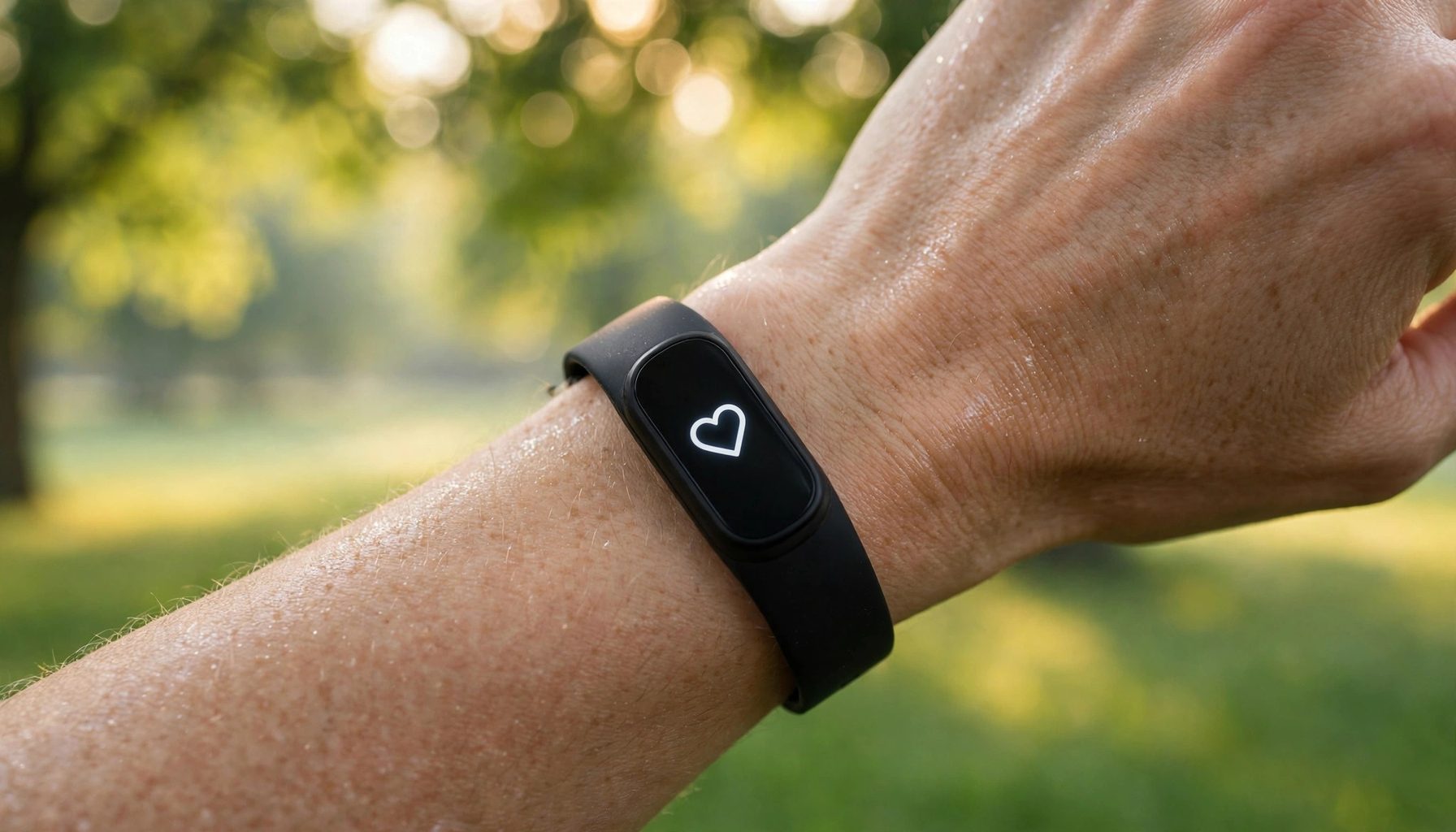
Heart rate, blood oxygen and stress scores all come from optical sensors, and are strongly affected by skin tone, how tight the band is worn, and how much you move. Resting heart-rate trends can be used as a reference, but peak heart rate during exercise is often off. Blood oxygen values barely fluctuate in everyday conditions; if something looks abnormal, first check the fit, then judge together with how you feel, and never draw conclusions from the band's numbers alone. Atrial fibrillation alerts and sleep-apnoea screening in marketing are mostly risk reminders, not diagnoses; if you have concerns, get checked at a hospital instead of looking for answers in the band. The more miraculous the health claims sound, the more sceptical you should be.
Battery, subscriptions and compatibility are hidden costs
First check the conditions behind the claimed battery life: battery life with the always-on display off and high-frequency heart-rate monitoring off can differ by days from battery life with everything on. Then check which features need a subscription: more and more in-depth features in sleep analysis, exercise reports and health insights sit behind paid membership, so work out the first year and the renewal before buying. Also check whether it connects with your phone, watch and fitness apps: if data cannot be exported or synced to the health app you actually use, the band's value drops. Water resistance should also be judged by real use: surviving hand-washing and surviving swimming are two different things.
Who it suits, and where it falls short
It is worth an entry-level model for people who will wear it daily, want to build exercise and sleep habits, and only want to spend on basic tracking. People who already have a smartwatch with enough battery and health features will mostly be duplicating their spending by adding a band. People hoping a band will detect illness or monitor a condition should not buy one; a band is not a medical device. People who only wear it at the gym and not otherwise should not buy one either, because intermittent data cannot even show a trend. Before buying, set one standard: if you still want to look at the data after wearing it for a full month, you bought the right thing.