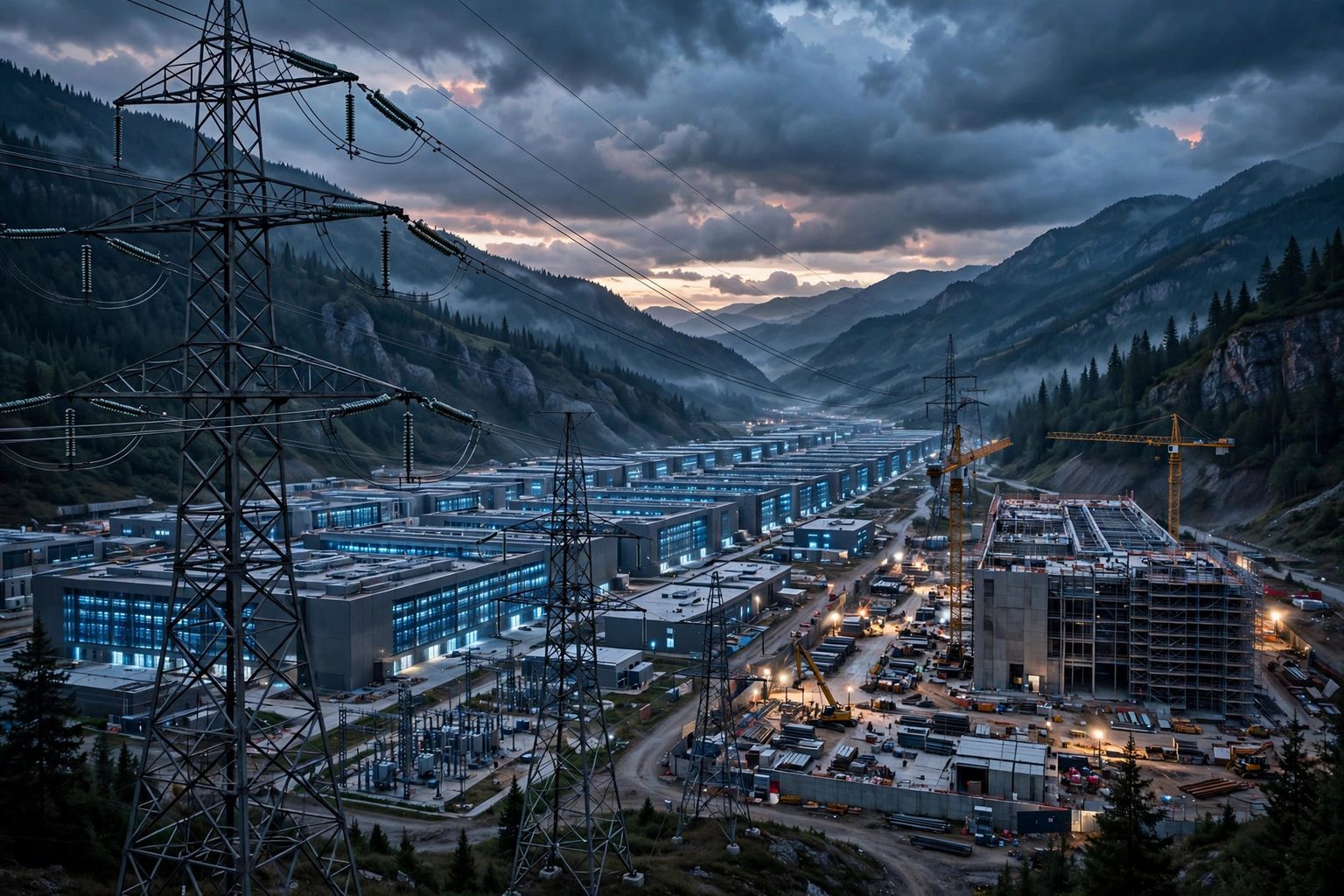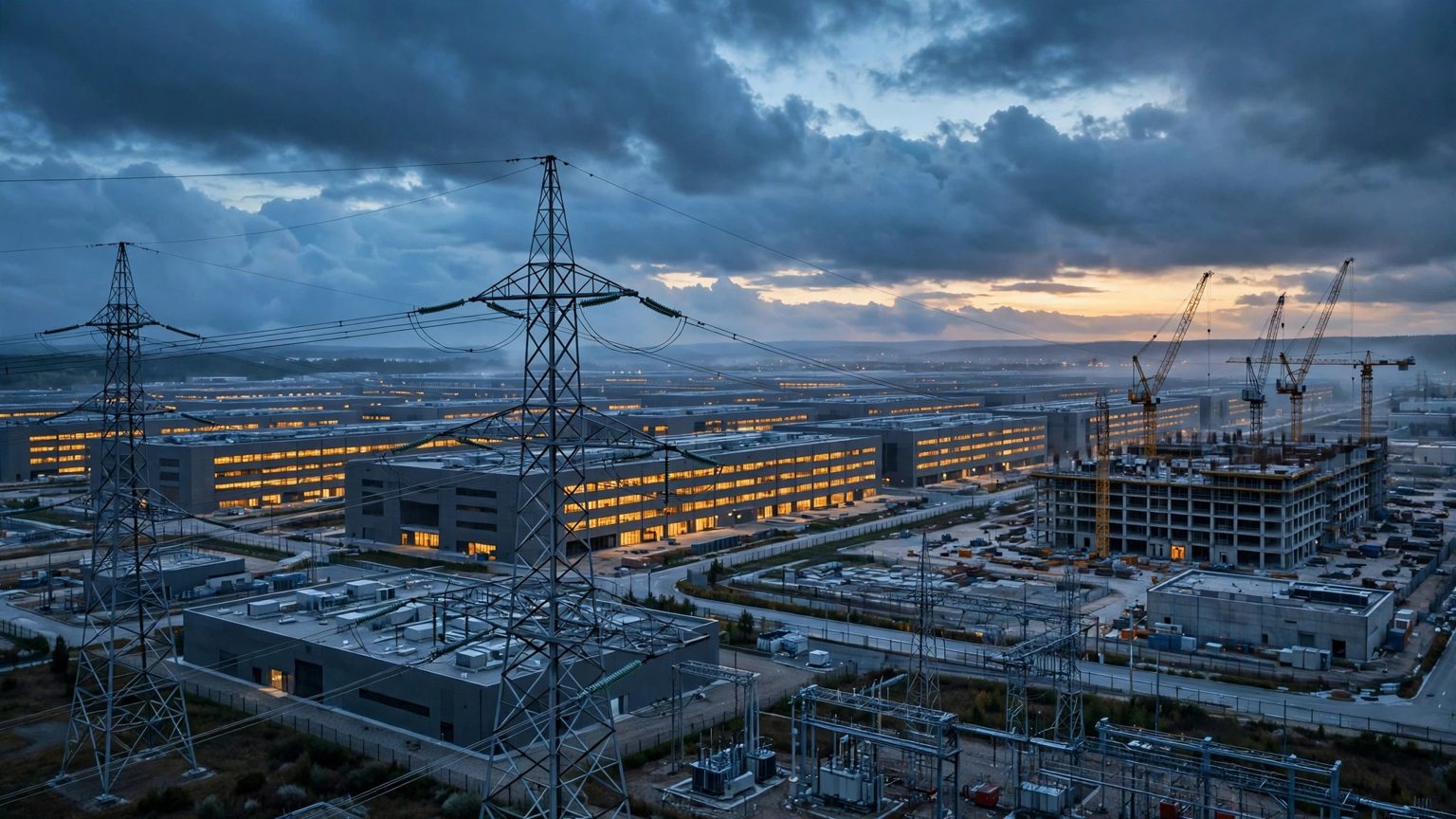
On 30 October 2026, Bloomberg's tally showed that the Big Five's AI infrastructure pledges total more than $3 trillion. The future spending commitments disclosed by Alphabet, Meta, Microsoft, Amazon and Oracle cover data centres, leases, energy and equipment purchases. This is not this year's spending budget, but commitments already written into contracts: some must be paid soon, others will be spread over decades. As the pledges pile up, the debate is shifting from whether the build-out is affordable to whether the money can be earned back.
Google and Meta together exceed $1.8 trillion
Alphabet's commitment is the largest, at more than $1 trillion — nearly eight times its level a year ago — covering technical equipment, energy and leases. Meta's exceeds $800 billion, with nearly half tied to data-centre leases that have not yet taken effect and will be paid over up to 30 years. The five companies' future lease payments total $1.3 trillion, and their other purchase commitments total $1.9 trillion; Microsoft's purchase and construction orders come from its annual report for the year ended in June and have not been updated since. A July tally of four of the companies put the total at about $2.4 trillion. This time the five together exceed $3 trillion; the scope is not identical, but the direction of travel has not changed.
A commitment is not a liability, and disclosures differ
These commitments will not all appear on the current balance sheet, and not all of them are data-centre spending. Bloomberg cautioned that disclosure practices differ, making direct comparisons difficult: part of Meta's budget goes to Reality Labs consumer hardware, Alphabet's and Amazon's planned spending includes content licensing fees, and existing leases and debt are excluded from this tally. Bloomberg also reported that Alphabet and Meta have seen free cash flow turn negative. Oracle was the first large technology company whose free cash flow turned negative because of investment in AI data centres; it expects to return to positive free cash flow by 2028, using vendor financing and customer prepayments.
Cash flow, delivery and returns are the next test
Three things matter next: whether free cash flow stays under pressure in the next earnings reports, whether leases and equipment orders are delivered and powered on schedule, and whether the new computing capacity brings in matching revenue. Anthropic's compute bill has already shown that commitments can be far larger than the balance sheet suggests. If revenue does not keep up, long leases and purchase commitments will not disappear; they will become fixed costs for years to come. Alphabet's third-quarter cloud revenue doubling while free cash flow turned negative is a snapshot of exactly that tension.