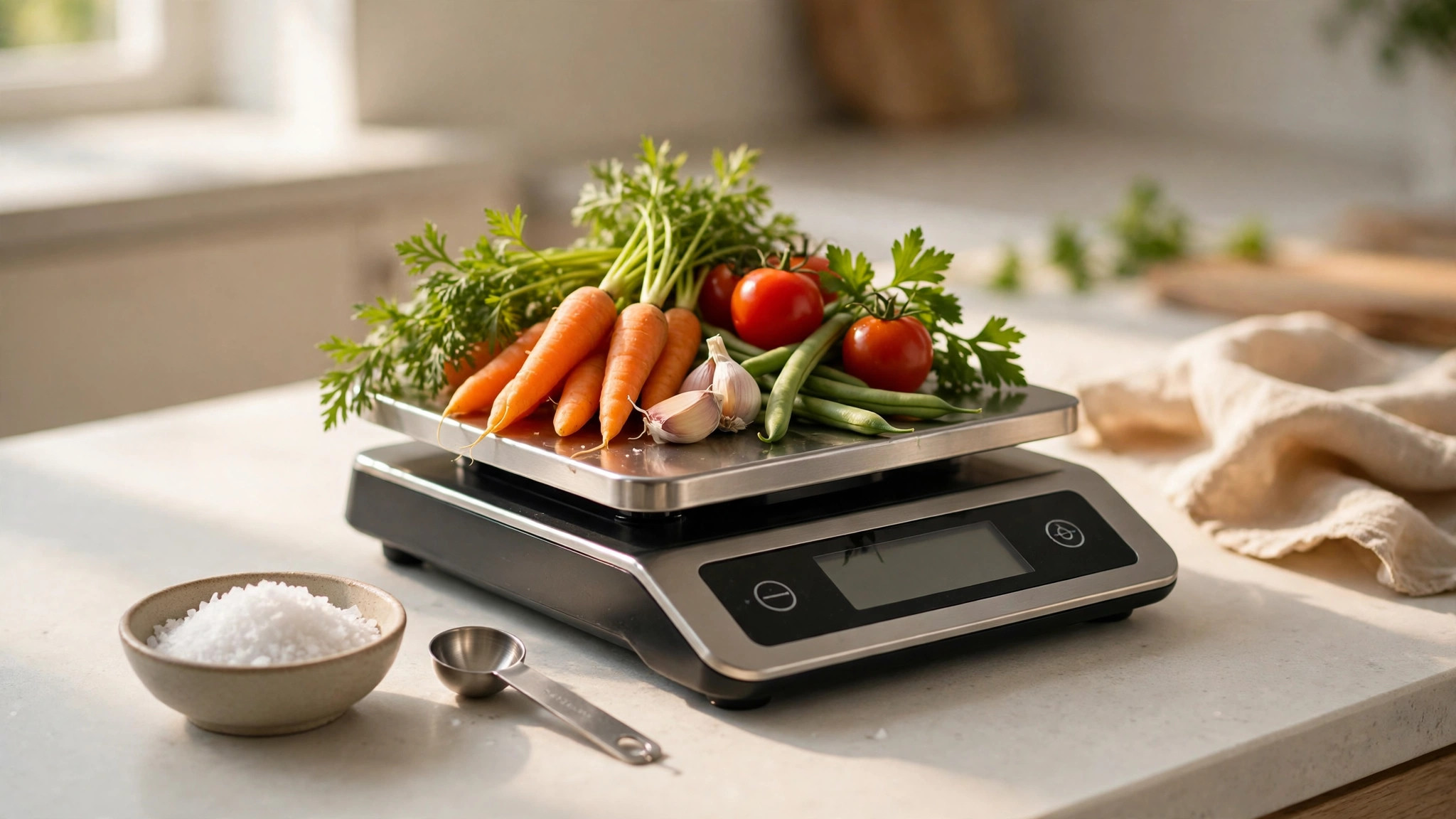
When the quantities in an AI recipe look off, do not pour everything straight into the pan. AI recipe quantities drift, and it is not always because the calculation is wrong. More often, the units, the state of the ingredients, and the size of the pan are not aligned. Spend two minutes converting and checking before cooking, and the flavor and texture of the finished dish will be much more stable.
Why Quantities Keep Drifting
The first reason is vague units: a spoon, a bowl, or a handful varies a lot from person to person, and the spoon size an AI assumes may differ from the spoon in your kitchen. The second reason is ingredient state: 200 grams of meat with skin and bone yields something different from 200 grams of lean meat, and one onion can be twice the size of another, changing sweetness and how much water it releases. The third reason is that totals are not adjusted to the pan: doubling a two-serving recipe to four servings works for seasonings, but water, heat, and reduction time cannot simply be doubled. Copying them directly is the easiest way to end up too salty or with too much liquid.
Convert Like This Before Cooking
First convert vague units into grams and milliliters: seasonings that affect flavor, such as salt, sugar, soy sauce, and oil, should always be measured with a kitchen scale or measuring spoons, not by feel. Weigh solids in grams and measure liquids in milliliters. For powders, weigh once and note how many grams your own measuring spoon holds, then reuse that figure. Next fix the total: start from servings and what you are serving alongside, then set the total amount of meat and vegetables, and work back to the seasonings. Do not pour in seasonings first and add ingredients later. When doubling, start salt and soy sauce at 1.8 times, taste, then add more; start with less water or stock and add more if reduction falls short, because an over-salted dish is hard to rescue.
These Ingredients Are Worth Weighing
Not everything needs the scale, but weighing a few things pays off most: salt, sugar, and yeast for fermentation, where a few grams change flavor and success; meat and seafood, which affect doneness and portion; and flour and rice, which affect dough softness and how dry or wet the rice turns out. Vegetables, scallions, ginger, and garlic can go by experience, but when trying a new recipe for the first time, weigh the vegetables too, so you learn what one portion in the AI recipe actually means. Once you have weighed it once, you will have a feel for it and are less likely to drift next time.
A Checking Order for One Dish
Read the whole AI recipe first, then check in this order: are the servings and quantities right, can the units be converted into grams and milliliters, have the key ingredients been weighed, and have heat and timing been adjusted for your own stove. Only then start prep, and measure the seasonings into small bowls in advance so you can add them in order without rushing. After cooking, note one line: was the salt too much or too little, was there too much or too little water. Next time you cook the same dish, adjust from your own note, which is more reliable than asking the AI again from scratch.