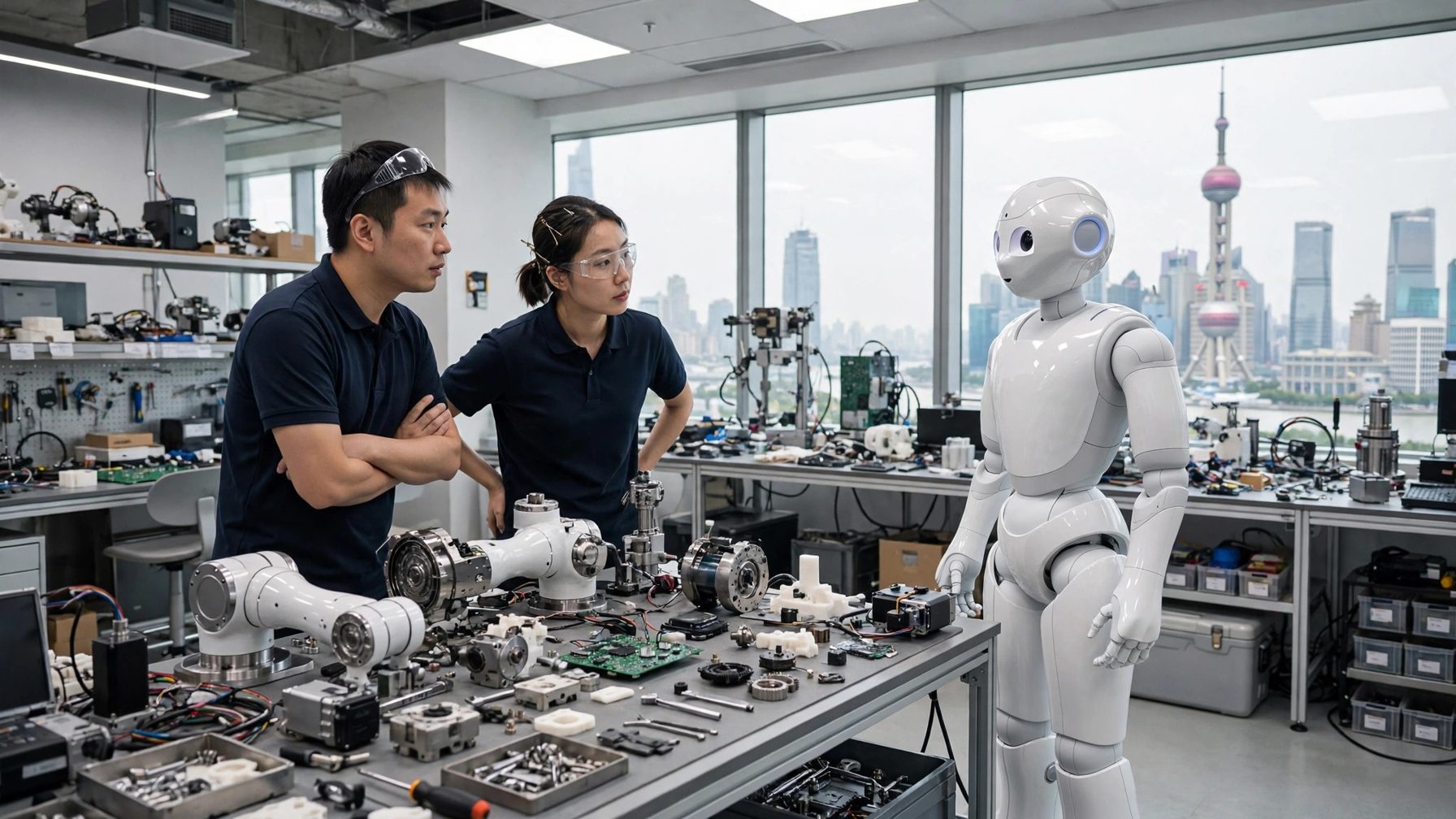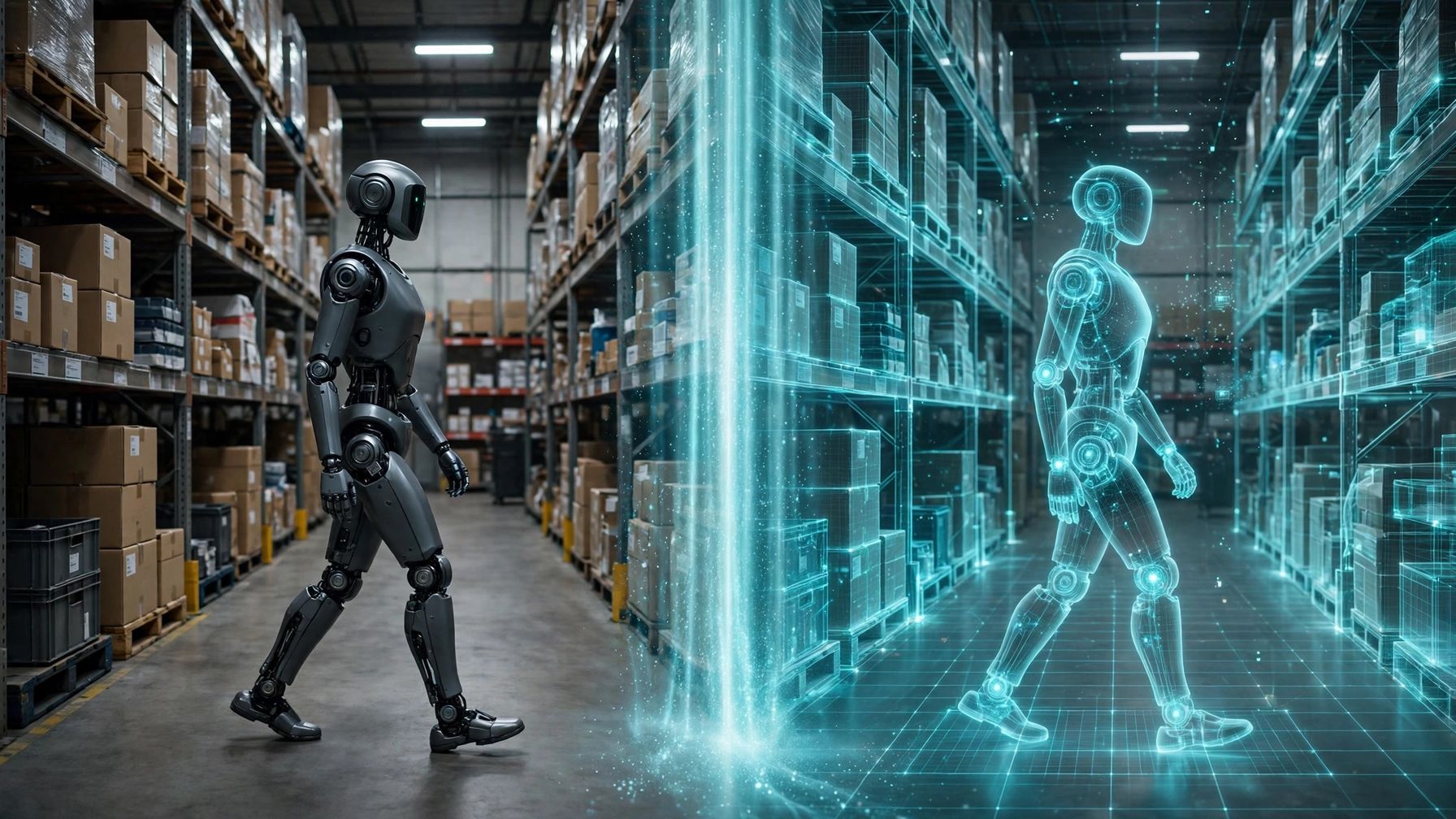
The NVIDIA Cosmos platform received a systematic expansion during GTC Berlin on October 22, 2026, with NVIDIA's official blog post the same day extending the world model toolchain from data through training to deployment: new Cosmos Data Factory blueprints, expanded Cosmos Framework training recipes, new Cosmos 3 Nano variants for simulation, and faster NIM microservices. World models exist so robots and self-driving systems can understand the physical world and fail safely in simulation before entering real environments.
The first gap filled is data
Data Factory handles labeling, curation, augmentation and evaluation of training data. This release adds five cloud-native blueprints covering autonomous vehicle dataset generation, image attribute augmentation, rare-event video generation, defect image generation and video data augmentation, available via GitHub as well as Azure, Nebius and CoreWeave. Cosmos Curator, the video dataset component, now supports multimodal, multisensor inputs. Early users give a sense of scale: Porsche is using the tools on Microsoft Azure to build a shared autonomous-driving data flywheel across Volkswagen Group brands, with NVIDIA citing goals of cutting repeated physical test drives by up to 90% and development cycles by up to 85%. ANYbotics generated more than 1,500 synthetic clips to train industrial inspection robots to spot liquid spills and other anomalies.
Training recipes open to more models, deployment up to twice as fast
At GTC Berlin, NVIDIA extended Cosmos Framework's training, optimization and deployment recipes, offered as agent skills, to more open models, so developers can fine-tune, reinforcement-train, distill and quantize models such as GR00T, Alpamayo, Qwen and Pi0.5. Research lab MicroAGI offered a concrete example: it distilled the 32-billion-parameter Cosmos 3 reasoner down to an 8-billion-parameter Nano model with no loss in accuracy. On the serving side, updated Cosmos 3 NIM microservices deliver up to 2x faster inference in validated configurations, and the new Nano simulation variants let developers test autonomous driving and bimanual robot policies in repeatable multiview scenarios first. For physical AI teams, the value of this update is not any single benchmark, but the fact that data, training, evaluation and deployment — previously assembled from separate stacks — now sit inside one open platform.