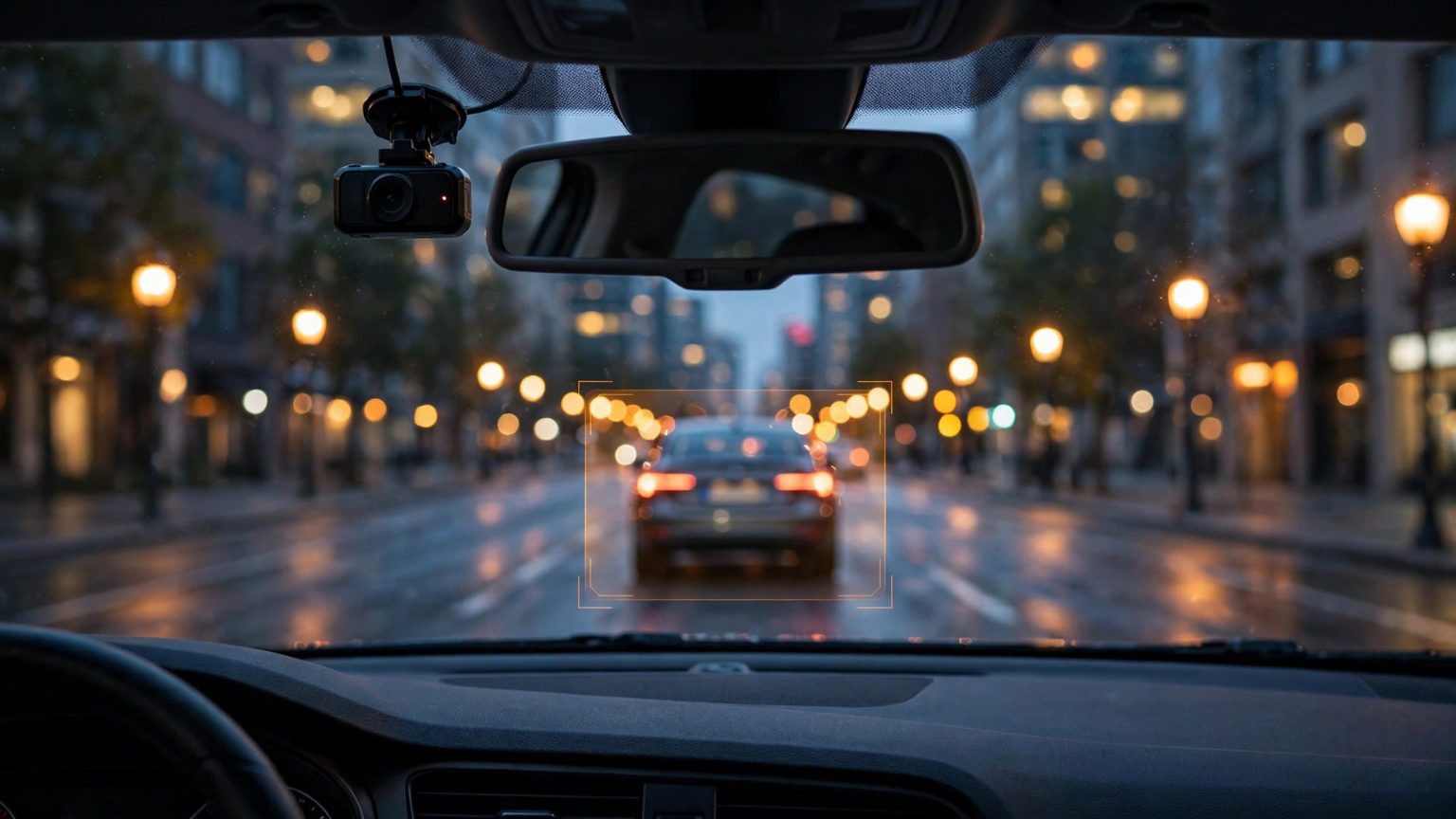
AI dashcams are selling hard on smart warnings, parking sentries and voice control. But keep the order straight: a dashcam's real job is recording clearly and keeping the footage when something happens; AI is a bonus, not the foundation. Whether the premium is worth it depends on whether the warnings actually work, whether parking mode hurts the car, and how much subscription follows.
Only three AI features genuinely earn their keep
First, driving warnings. A lead-car-departure reminder is genuinely pleasant in stop-and-go traffic, and lane-departure plus following-distance alerts have real value for new drivers and long-haul commuters, provided the timing is accurate and the sound is not obnoxious. Second, parking monitoring: detecting a hit or suspicious movement while parked and waking up to record a clip is a kind of reassurance ordinary recorders do not offer, especially for cars parked on streets or in open lots. Third, voice control: shouting a command to lock the current clip beats hunting for a button at speed, and such small features end up used the most.
The setup bar is higher than the product page admits
Warning accuracy is half installation. A lens mounted slightly off, or an unusual windshield angle, skews the distance judgement with it, so check the mount's adjustment range before buying and test on familiar roads for a few days before trusting it. Parking mode usually needs a hardwire kit drawing constant power, which steadily drains the battery during long parking; older cars and small batteries should do the math first, ideally with a low-voltage cutoff. Models with 4G add remote viewing and alerts, but data and cloud storage are commonly subscriptions, free the first year and billed after, so ask what year two costs before paying.
Where the expensive models are not worth it
First, false alerts. A shaky recogniser beeps at speed bumps and neighbouring lane changes until most owners mute it within a month, and a muted feature is a feature never bought. Second, AI sharpening sold as image quality. Whether a plate reads at night depends on sensor size and the main processor, not on the marketing line about AI night enhancement; at the same price, a no-AI model with a better sensor often keeps the more reliable footage at the critical moment. Third, screens and flashy interaction. Big touch displays and gestures are barely usable while driving and just add heat and power draw.
Who should pay more, and who should not
Frequent highway and night drivers, beginners and ride-hailing drivers will actually use the warnings and parking mode, and a mature AI model is worth their premium. If the car already has a 360 system or a factory sentry mode, the overlap makes a flagship recorder pointless. If you drive only a few thousand kilometres a year on short city trips, a mid-range unit with solid image quality is enough; spend the leftover on a large high-endurance memory card instead of an AI badge.