Maia 300 is Microsoft's third-generation in-house AI chip. On October 12, 2026, Microsoft announced it on its official blog, with cloud and AI chief Scott Guthrie writing the post and CEO Satya Nadella calling it the company's biggest bet yet on its own silicon. The headline is not a single specification but a change of role: starting in 2027, the Maia family will scale to multi-gigawatt deployments and become the primary inference system for Microsoft's own products and services.
The previous generation already carries real traffic
Maia 200 is now in production, serving Microsoft Copilot workloads and supporting the MAI team as it develops next-generation models, with GitHub Copilot and Microsoft Foundry to follow by the end of the year. Microsoft says the chip is deployed across the United States, Europe and Australia, delivering up to 1.7x more tokens per watt than leading GPU infrastructure for built-in AI features in Teams and Copilot. Because the previous generation already runs real traffic, the Maia 300 expansion reads less like a roadmap slide and more like a generational handover backed by operating data.
Designed for long context and multi-step agent work
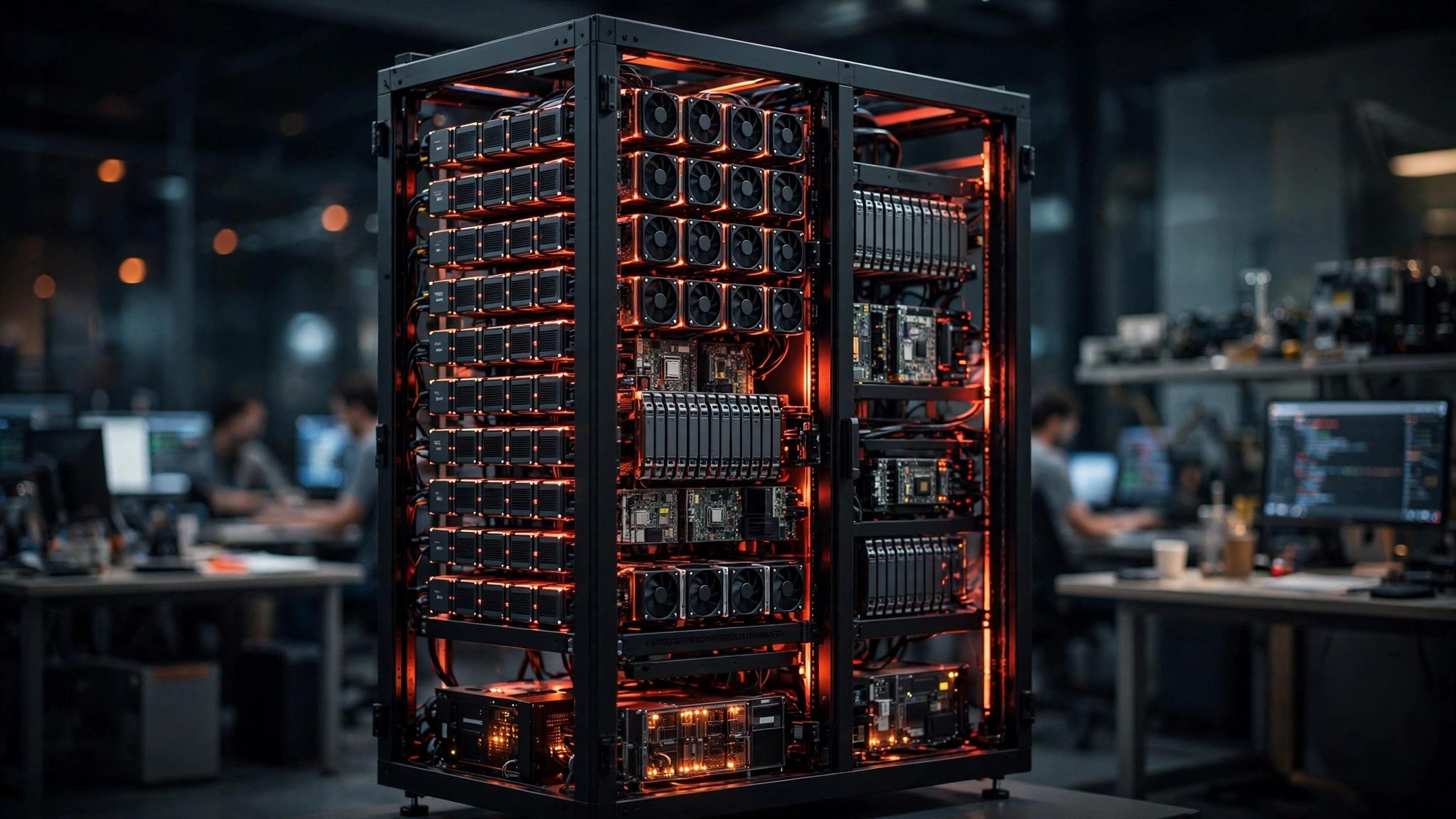
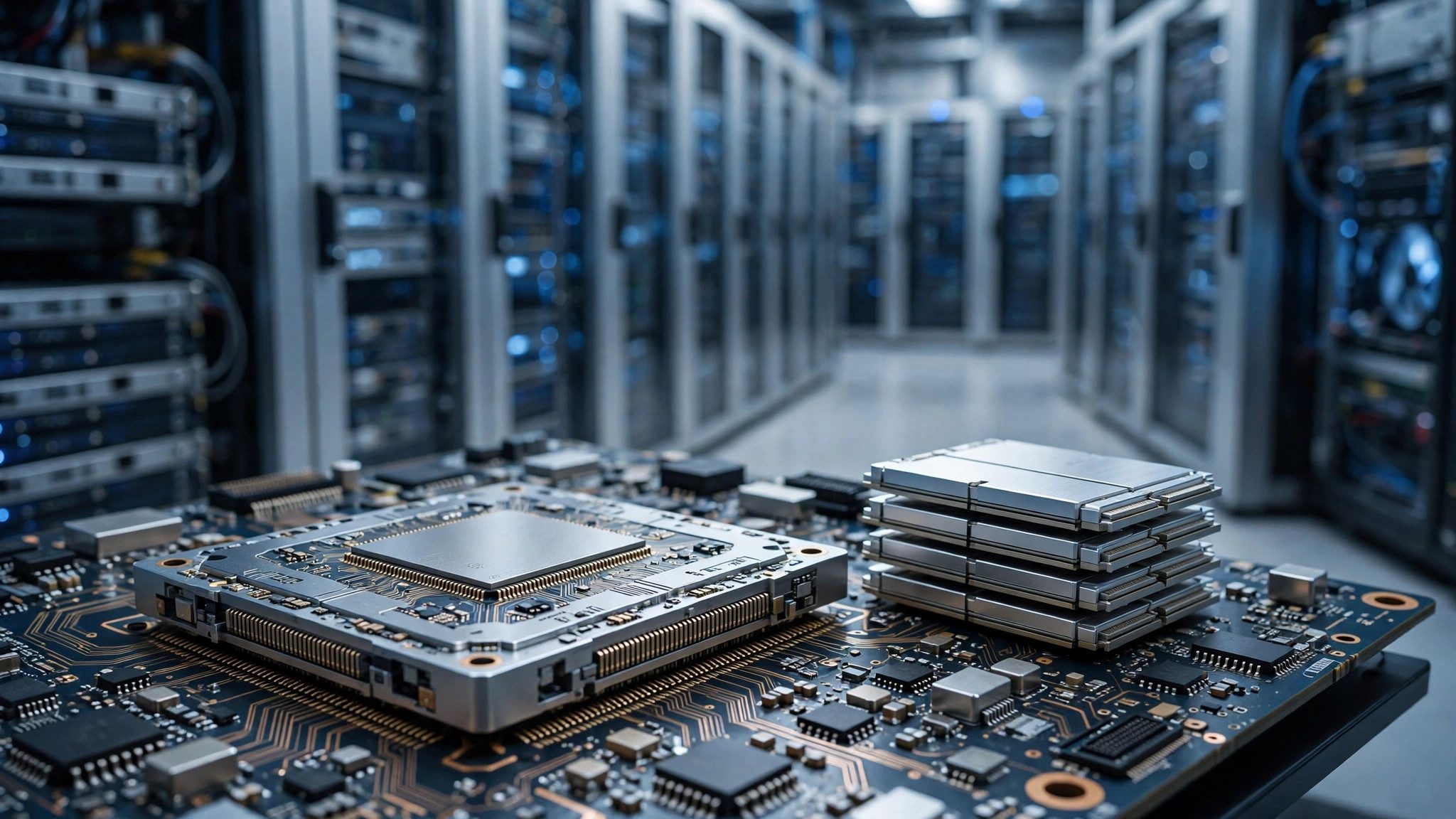
Maia 300 uses an inference-first architecture tuned for long-context, memory-intensive and decode-heavy workloads. It carries eight HBM4 stacks with 18.0 TB/s of peak memory bandwidth within a 950-watt TDP, and splits compute, memory control and I/O across multiple chiplets, with the compute chiplets built on TSMC's N2P process. A software-defined dataflow design aims to cut data movement, while the low-precision MXFP4 format reduces the memory footprint of KV caches. A full rack packs 96 accelerators into about 167 kilowatts, with 27.6 TB of HBM and 1.7 PB/s of aggregate bandwidth. Microsoft expects such a rack to deliver up to 7x the token throughput of Maia 200 and 40% more tokens per megawatt than leading GPU-based systems. These are Microsoft's own projections: the comparison GPU system is not named, and no independent testing exists yet.
The real target is the inference bill that runs up every day
Microsoft is not walking away from Nvidia or AMD. Guthrie said both partnerships will continue, and Reuters reported the same day that Microsoft may deploy more than one million Maia 300 chips next year. External GPUs still carry training. What in-house silicon targets is inference: every model answer and every extra agent step burns compute and power continuously, making it the largest and most cost-sensitive share of traffic. Owning the inference hardware means owning the pricing room and expansion pace of services like Copilot.
Delivery waits until 2027, and three variables decide it
Maia 300 only enters production deployments in 2027, and a multi-gigawatt scale-up still has to clear manufacturing capacity, power supply and delivery schedules. How much of the 40% efficiency claim survives real workloads will only be known once the chips serve Microsoft's own traffic; outside customers cannot rent Maia, so they cannot verify it either. The practical test is concrete: what share of Microsoft's inference traffic its own silicon actually carries in 2027. If that share climbs, Nvidia's pricing power in inference takes a real hit. If it does not, Maia remains an important backup option rather than the main act.