An AI voice recorder is one of the few AI hardware products of the past two years with genuinely proven sales: it doesn't sell specs, it sells "never writing up meeting notes yourself again." Whether it's worth buying depends almost entirely on how many hours of offline conversations you need transcribed each month — under 5 hours and over 20 hours are two completely different answers.
Let's get the core facts on the table first: take the Plaud Note as an example: the device costs $159 with 300 minutes of free transcription per month; beyond that, the Pro plan is $99.99 per year (1,200 minutes/month). Light users pay once, while heavy users' real cost is the subscription. Tally your monthly "transcription hours" before deciding.
The problems it actually solves
It shines in three scenarios where "a phone app feels awkward."
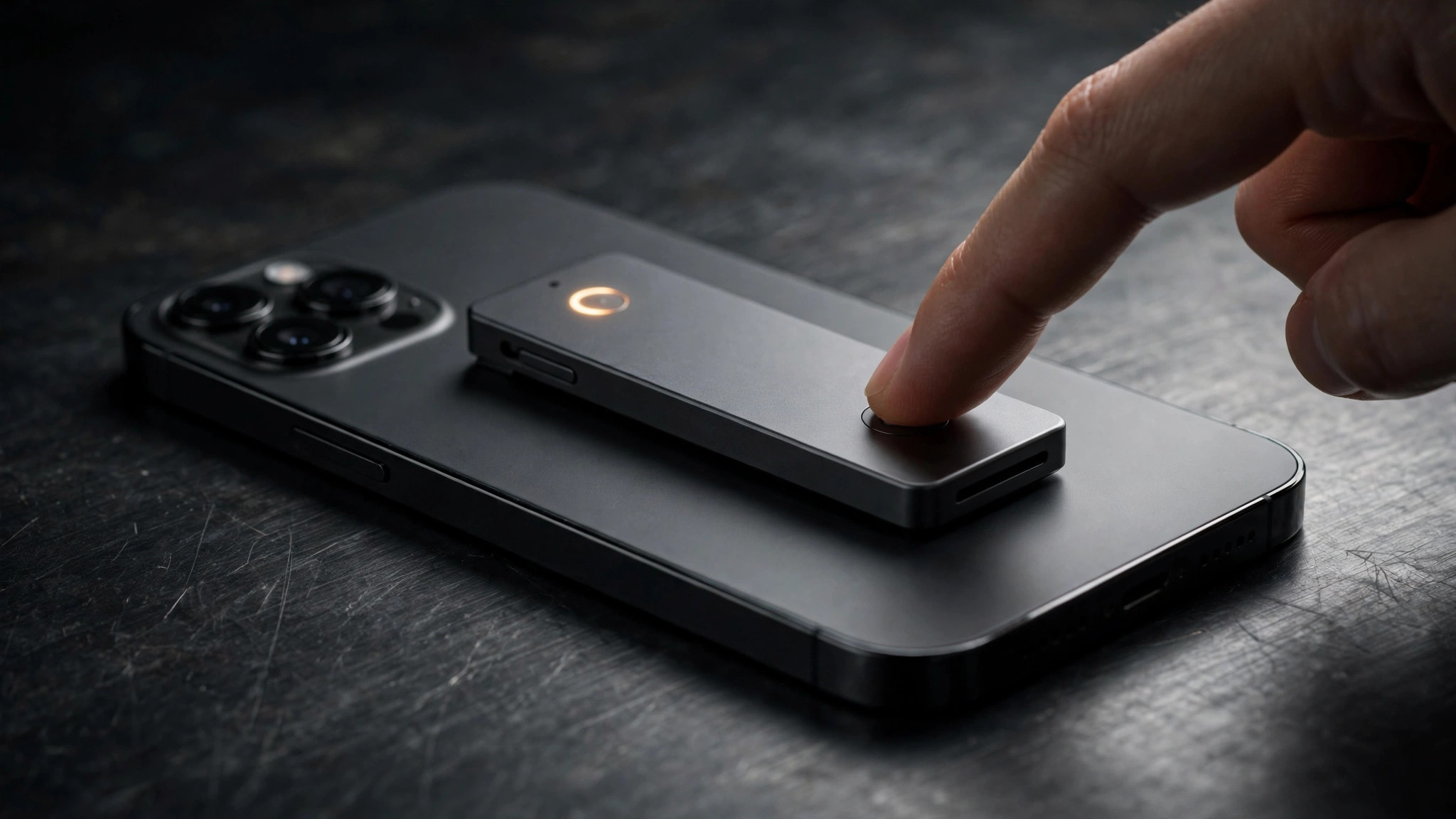
First, offline recording. The Plaud Note is credit-card sized and magnetically snaps onto the back of your phone to record, with 64GB of onboard storage for up to 30 hours of continuous recording; only after syncing to the app do transcripts and summaries appear.
Second, phone calls. The iPhone doesn't natively support call recording — stick the recorder on the back of the phone and both regular and WeChat voice calls get captured. It's the device's most underrated feature, and the hardest for software to replace.
Third, the transcription layer. With 112 languages, speaker labels, and 10,000+ summary templates, it handles multilingual meetings and interviews more smoothly than generic transcription apps.
Three real limitations — read before you buy
First, the subscription wall on transcription minutes. 300 minutes a month sounds like a lot, but two one-hour meetings a week eats through it; once the quota is gone, recording still works while transcription and summaries pause — heavy users are effectively locked into an annual plan.
Second, there's no live transcription. The recorder captures first and syncs later: transcripts and summaries only appear after the recording is synced, so if you expect text on the spot, you'll be disappointed.
Third, the act of recording itself has boundaries. In large rooms with multiple people talking over each other, transcription accuracy and speaker separation drop noticeably — a physical limitation shared by the whole category.
Who gets their money's worth, and who gets a paperweight
The "worth it" profile is clear: salespeople, consultants, and journalists with packed offline schedules, content workers who do interviews regularly, and iPhone users who make important calls and need records. The device-plus-subscription cost is quickly offset by the time saved.
The "not worth it" profile is equally clear: people whose meetings are 90% on Zoom, Teams, or Tencent Meeting — those platforms have built-in AI notes; occasional note-takers — the phone's recorder plus a free transcription app is enough; anyone expecting a "live caption machine" is buying the wrong category.
Ultimately, an AI voice recorder isn't selling the ability to record — it's selling a pipeline that turns spoken information into text. Tally your transcription hours first, then look at the subscription bill. Don't reverse that order.