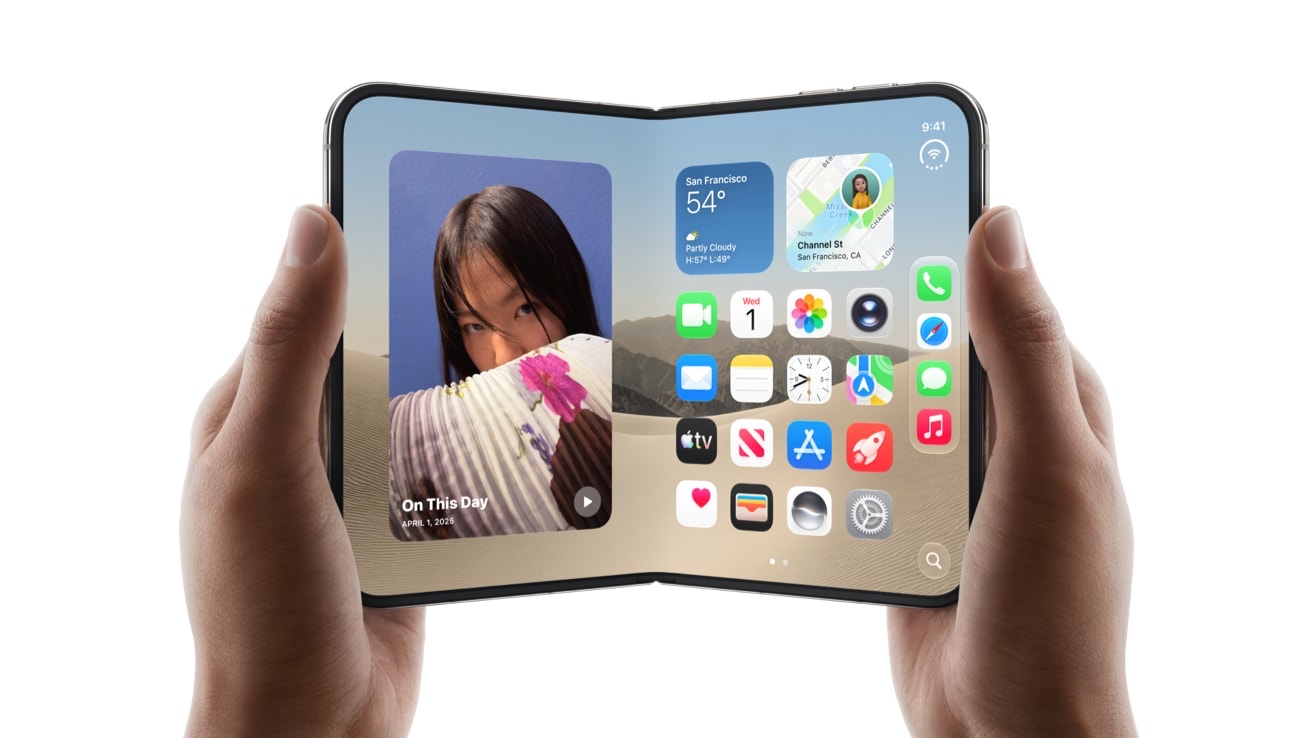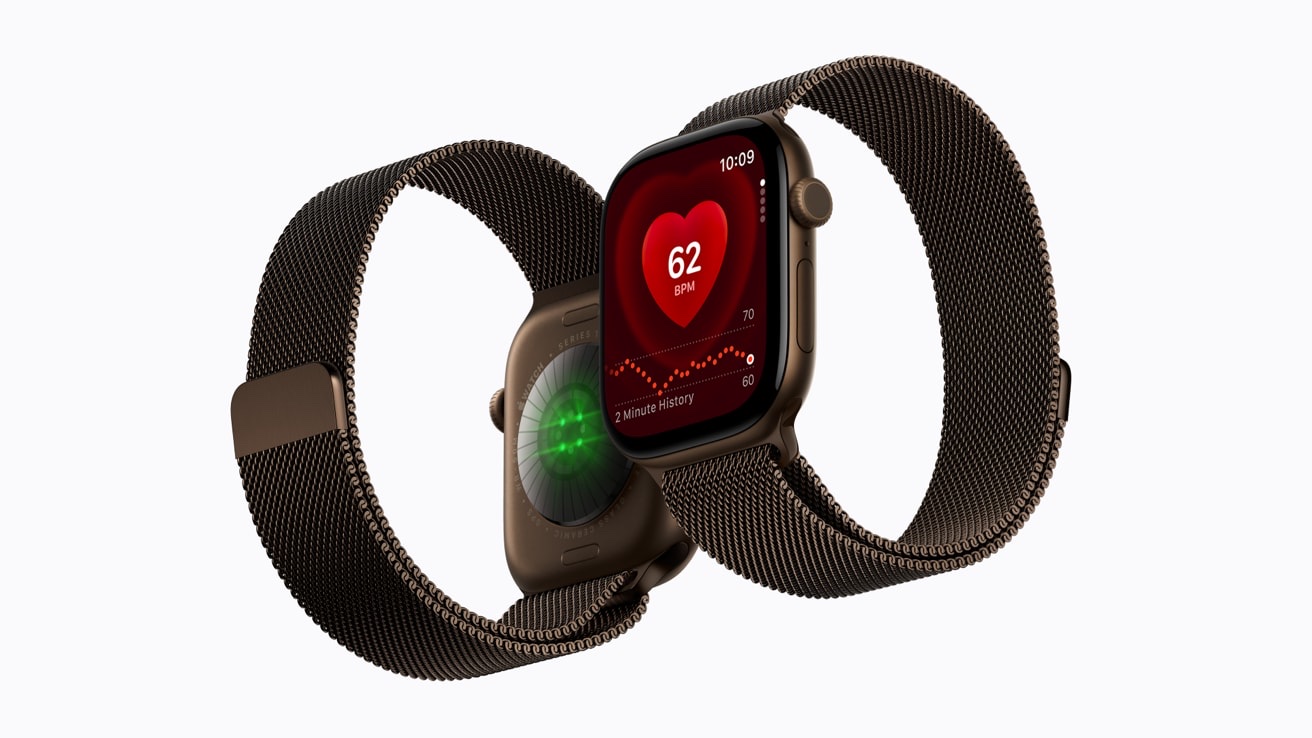
On September 9, 2026, Apple released the iPhone 18 Pro and iPhone 18 Pro Max via Newsroom. Both phones are equipped with the 2nm A20 Pro, starting at $1199 and $1299 respectively, with pre-orders starting September 12 and launching on September 18. Compared to conventional performance upgrades, the AI industry has two main points to note about this generation: on-device inference continues to accelerate, and photo editing is starting to have verifiable raw references.
32 Nuclear Neural Engine serves real-time AI
The A20 Pro is equipped with two sets of 16-core neural network engines. Apple claims AI processing power is twice that of the A19 Pro, with 50% increased memory bandwidth. This capability not only serves generative functions but also supports Siri AI's personal context, screen perception, and camera understanding. Users can ask questions around the current screen or have Siri Camera recognize objects in the lens and continue their actions. The key change is that the response chain is closer to the device itself, with personal data only handed over to Private Cloud Compute when required for complex tasks, reducing the pressure of relying on remote services for every request.
Reference Image leaves a reliable negative for the photo
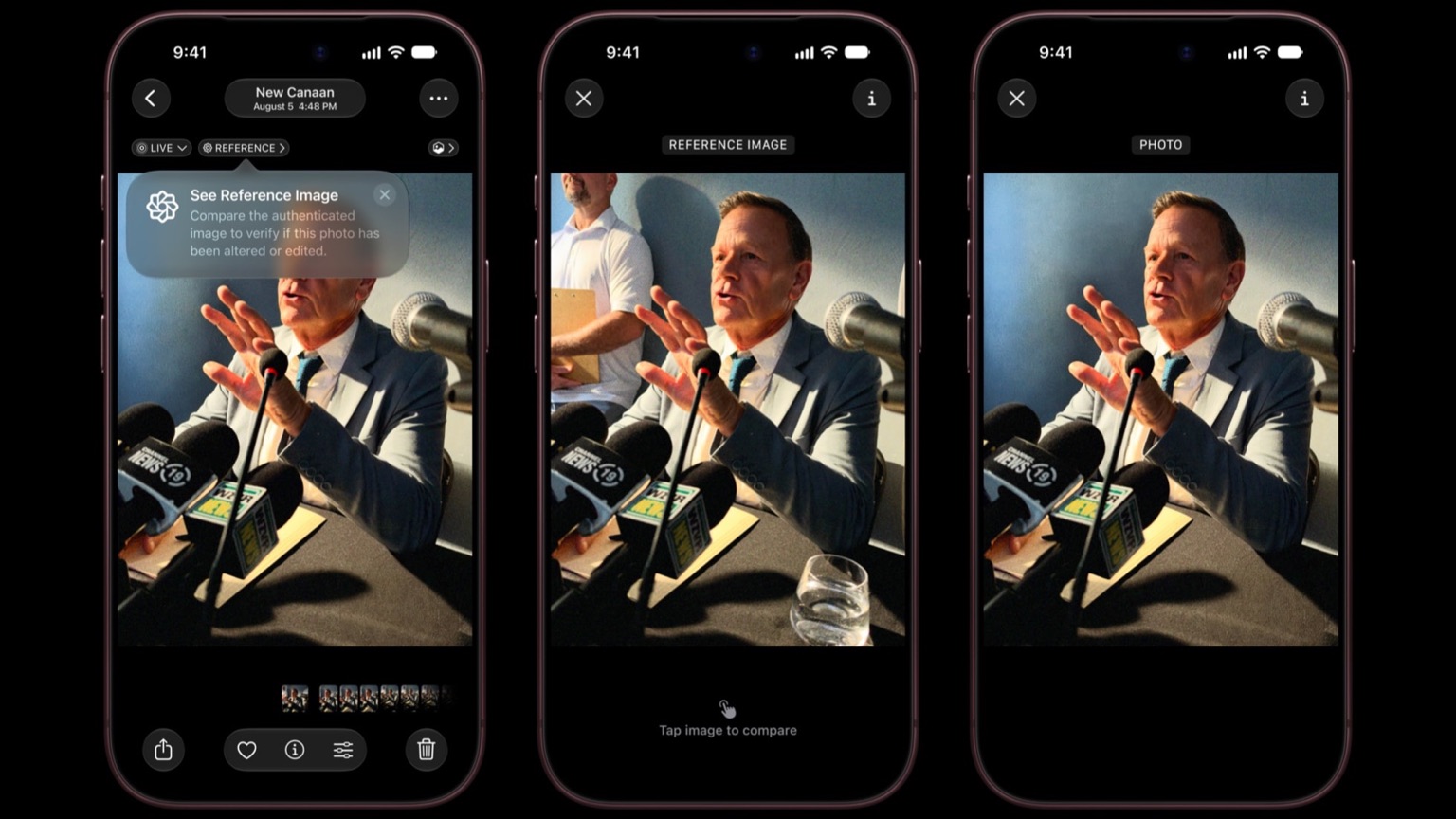
The new 48MP main camera supports variable aperture and four manual settings, but the real new feature is the Apple Reference Image. When shooting, the system signs sensor data, and then Private Cloud Compute generates an immutable reference image; Users can compare the edited photos in the Photos app, and third-party apps can also read this mechanism via interfaces on iOS, iPadOS, and macOS 27. It's not a universal tool for verifying all images, but it provides a clearer chain of evidence for "what went through this photo from original capture to editing."
Apple also plans to combine content credentials with identifiers like SynthID to prompt images whether they have been AI-generated or modified. In our discussion on AI content authenticity checking, we pointed out that a single detector is easily affected by model iterations and compression processing; Multi-layer verification composed of trusted sources, signature records, and edit history is generally more reliable than guessing whether pixels were AI-generated.
Capability boundaries matter more than marketing numbers
Reference Images only work for newly captured content that supports this process and cannot supplement sources for historical photos or external platforms. Private Cloud Compute also means some processing still goes to the cloud, so users need to pay attention to when specific features upload data, how third-party applications display credentials, and whether different platforms are willing to recognize each other. Meanwhile, so-called double AI performance is a chip metric, not doubling every task.
The direction of the iPhone 18 Pro is clear: the phone's camera is not only responsible for producing more beautiful images, but also to clarify where the images come from. If the relevant interfaces are adopted by media, creators, and platforms, photo authenticity will be used as evidence during post-fake-detection and shooting; If ecosystem support is insufficient, it will remain at an advanced feature within Apple devices.