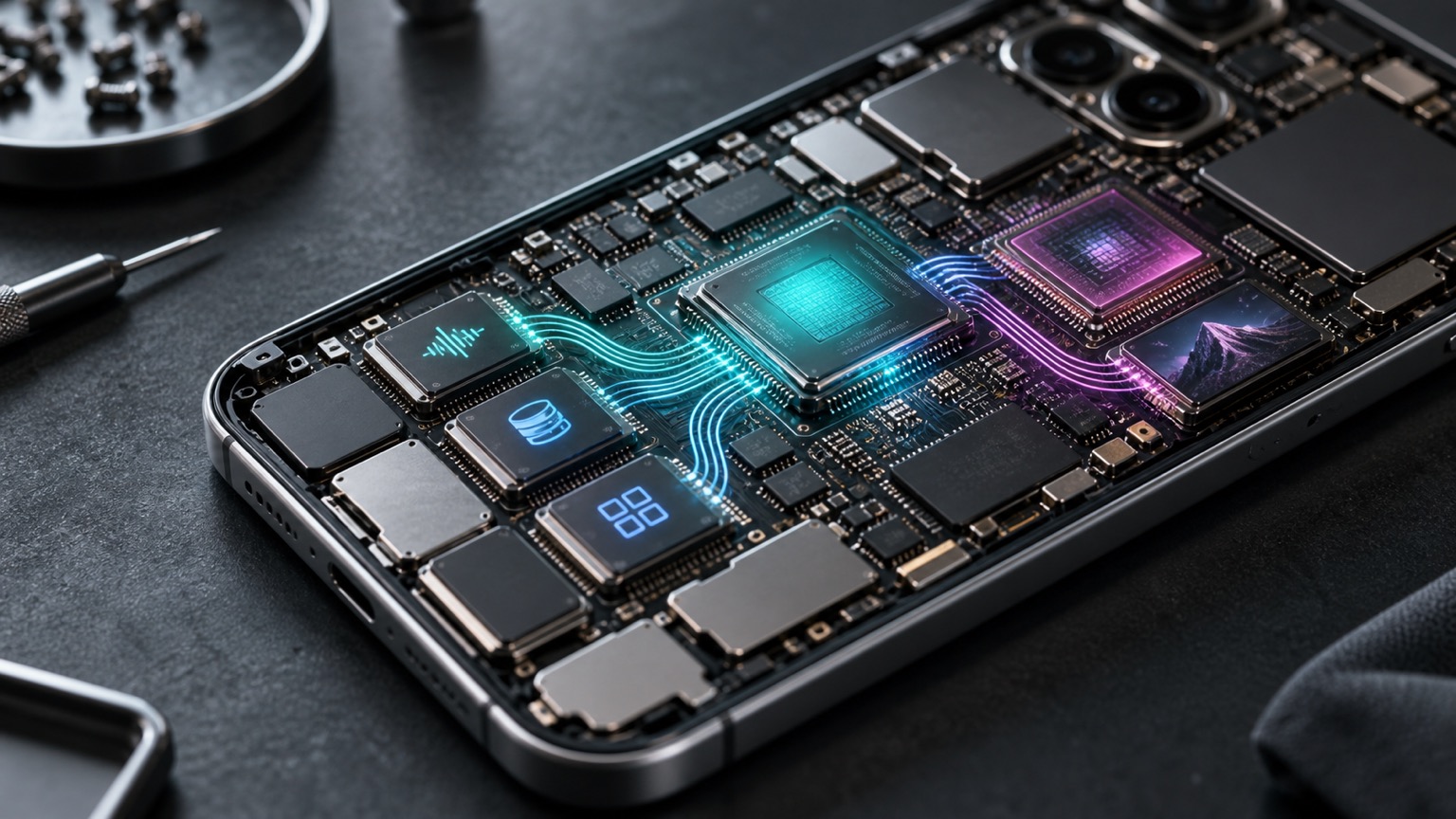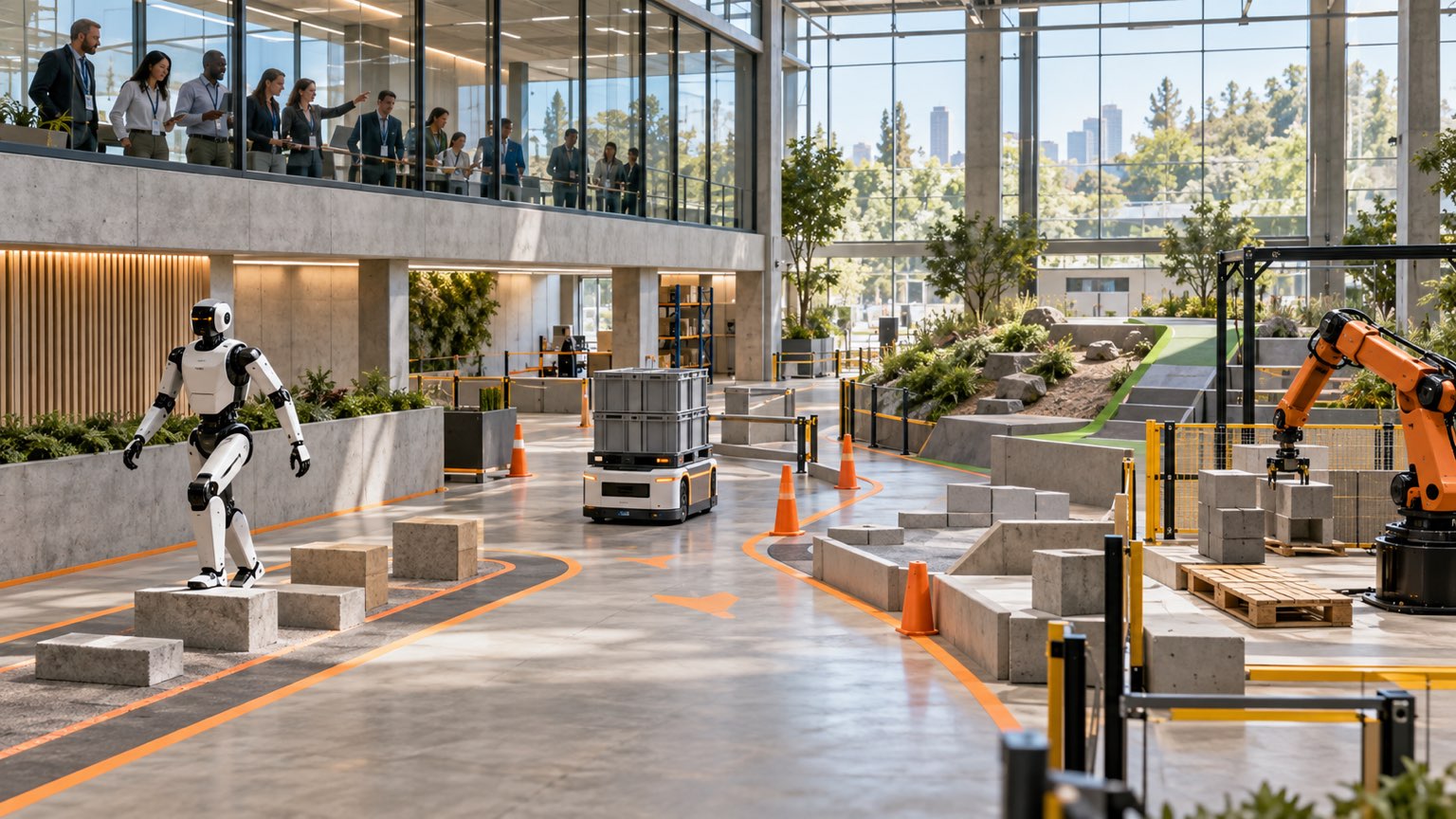
On September 8, 2026, Arm announced the expansion of its Total Design ecosystem to Physical AI, with the first batch of over 80 participants covering AWS, Hugging Face, QNX, Siemens, Unitree Robotics, and other hardware and software companies. The newly proposed Robotics Capability Framework is even more noteworthy: the robotics industry is beginning to try to describe what systems "can do" in a common language, rather than just comparing computing power, number of joints, or demo videos.
Why do 80 companies collaborate around a single framework?
Robots, autonomous driving devices, and industrial autonomous systems all need to combine models, sensors, real-time control, computing hardware, actuators, and safety mechanisms. If any interface layer is unclear, verification can cause failures at the full machine stage. Arm Total Design for Physical AI aims to have software stacks, AI models, virtual platforms, digital twins, and chips developed together at earlier stages, shortening the distance from proof of concept to mass production.
This does not mean that over 80 companies have adopted a unified product, nor does it mean the new standard has been finalized. The official position defines the Robotics Capability Framework as the starting point, and we look forward to the industry's continued participation in refining it. Its value depends on whether members truly use the same capability description for testing, procurement, and security review, not on how long the member list is.
Robot levels shouldn't be judged solely by whether they look human.
The framework gradually advances capabilities from reactive systems to systems that understand contexts, make cognitive judgments, and continuously improve. This layering helps buyers distinguish: whether a device avoids obstacles by fixed rules or can be replanned after environmental changes; whether it can perform a single action or achieve results across steps. For manufacturing, logistics, and mobility companies, verifiable behavioral outcomes are more meaningful for procurement than appearance.
Three types of teams will be the first to feel the changes
- Robot manufacturers: can align models, controllers, and hardware interfaces in advance to reduce later integration costs.
- Chip and software suppliers: Able to prepare performance data and compatibility solutions around clear capability levels.
- Industrial purchasers: There is an opportunity to break down "autonomy" into testable clauses, reducing the gap between demonstration and production performance.
Previous analysis on XPeng Robotics' financing and Physical AI's mass production pace has shown that industry competition is shifting from standalone demonstrations to engineering delivery. Arm's recent efforts focus on ecosystem collaboration and capability languages, but security certification, failure liability, and cross-vendor test sets have yet to be resolved all at once. Next, attention should be paid to whether frameworks disclose specific metrics, whether third-party validation exists, and whether different robot platforms can provide comparable real results.