Is the Limitless Pendant worth buying? The answer changed on December 5, 2025: Meta acquired Limitless that day and immediately stopped selling the $99 AI pendant, so no new units are available. Existing owners can keep using theirs, with at least a year of support and a free upgrade to the Unlimited plan promised at the time of the acquisition. Anyone looking to buy now is left with secondhand units — and secondhand is not worth chasing. Here is what it actually sold, how the subscription worked, and what to buy instead.
What It Actually Sold
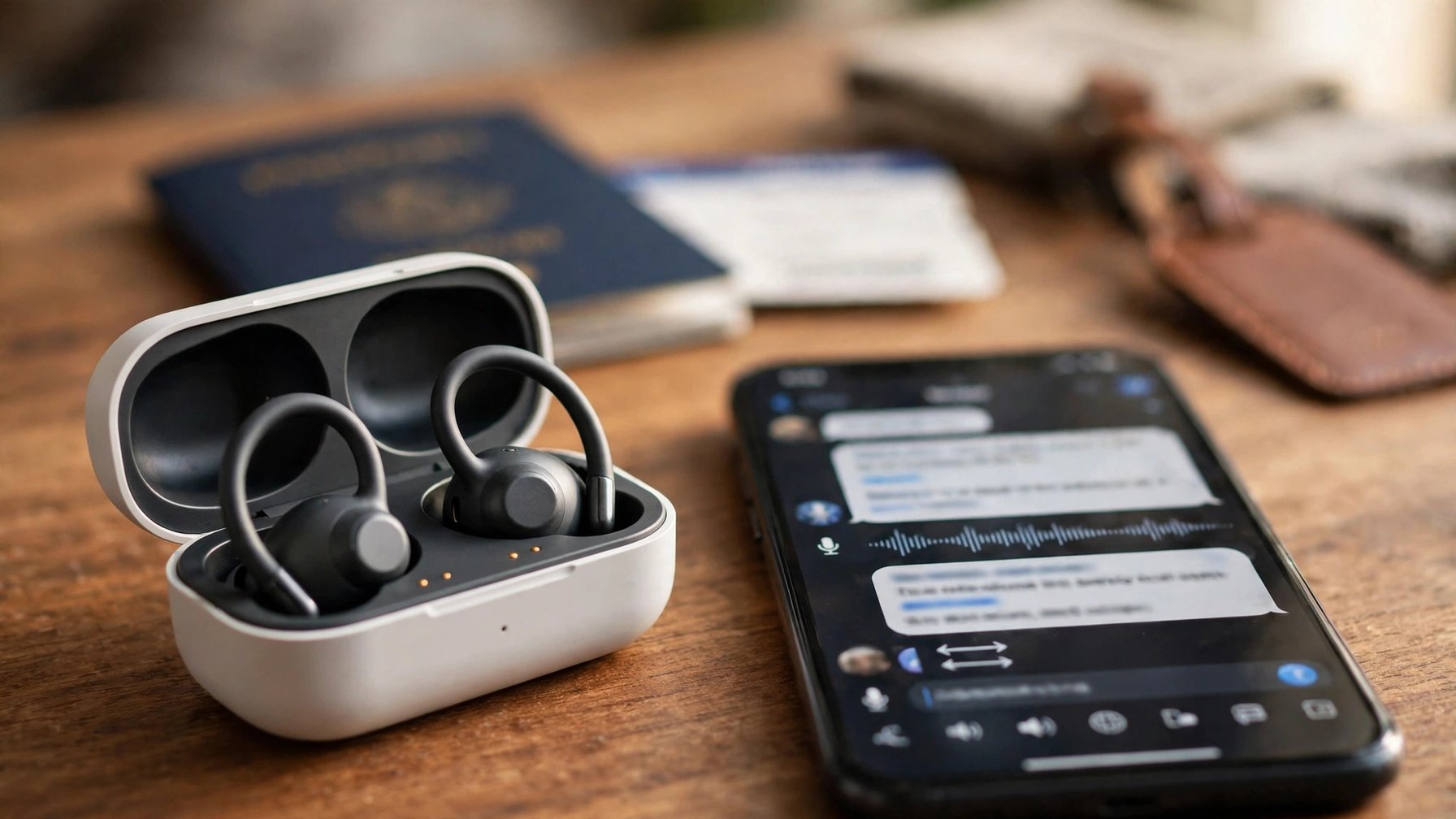
The Limitless Pendant is a clip-on AI pendant from Limitless (formerly Rewind AI). It attaches magnetically to clothing or hangs from a lanyard, and has no screen and no camera — the company presented the absence of a camera as a deliberate privacy choice. Beam-forming microphones capture the sound around you, transcribe it, generate summaries, and feed everything into a searchable personal memory library. The companion app covers web, Mac, iOS, and Android, and connects to Zoom, Slack, and Google Meet to produce meeting notes. Recording is always-on listening: it is always listening, not press-to-record. When it detects a new voice, Consent Mode pauses first and only saves the audio after the other person agrees out loud — but this mode is off by default, while the recording LED stays lit. Official battery life is quoted at about 100 hours, though multiple reviewers measured only 6 to 7 hours of continuous recording, roughly one workday: treat the quoted figure as standby.
The Subscription and the Privacy Bill: Two Sums to Work Out First
The $99 hardware was only the entry ticket; the long-term cost was the subscription. Pricing before sales stopped: the free plan included 20 hours of transcription a month with unlimited audio storage; Pro cost $19 a month (billed annually) for 100 hours a month; Unlimited cost $49 a month (billed annually) for unlimited transcription. Over a year, Pro comes to $228 — more than double the price of the pendant itself — and heavy meeting users could hardly avoid a paid tier. After the acquisition, existing owners were upgraded to Unlimited for free, but that is only a transitional arrangement of at least a year. Privacy is the second bill: recordings are uploaded to the cloud for processing, and although storage is encrypted, Consent Mode being off by default remains a real flaw. More importantly, the whole memory library depended on a single vendor's cloud service — once the company was acquired, users in the EU and UK were told to export their data before December 19, 2025, after which the service stopped. Buying this kind of device is really buying trust in one company.
Who Should Keep One, and Who Should Look at Alternatives
The split is clear: if you already own one, keep using it, use the free Unlimited plan through the transition period, and export your data regularly; owners in the EU and UK should export first, then plan a move. If you want to buy one, skip secondhand entirely: no official warranty, no clear service horizon, and paying a premium means taking over someone else's risk. Choose an alternative by need: if you just want reliable meeting recording, the Plaud NotePin is a press-to-record option with more transparent subscription tiers, see Plaud NotePin: the Clip Recorder Is Cheap, the Subscription Is the Real Cost; and first work out whether you record meetings every day or only occasionally before buying dedicated recording hardware, see Are AI Smart Recorders Worth It? First Separate Daily Meeting Needs from Occasional Notes. One rule decides it: meeting notes are genuinely valuable — but not worth paying a secondhand price for a device that has already been discontinued.