On November 23, 2026, Google announced on its official blog that the Gemini API now offers native file slicing controls: after uploading a file, developers can have the model read only a few pages of a PDF, one region of a spreadsheet, or one segment of a video — and tokens are billed only for the parts actually inspected. The same update adds direct uploads for Office and OpenDocument files, with no need to convert them to plain text first.
What Can Be Sliced, and How
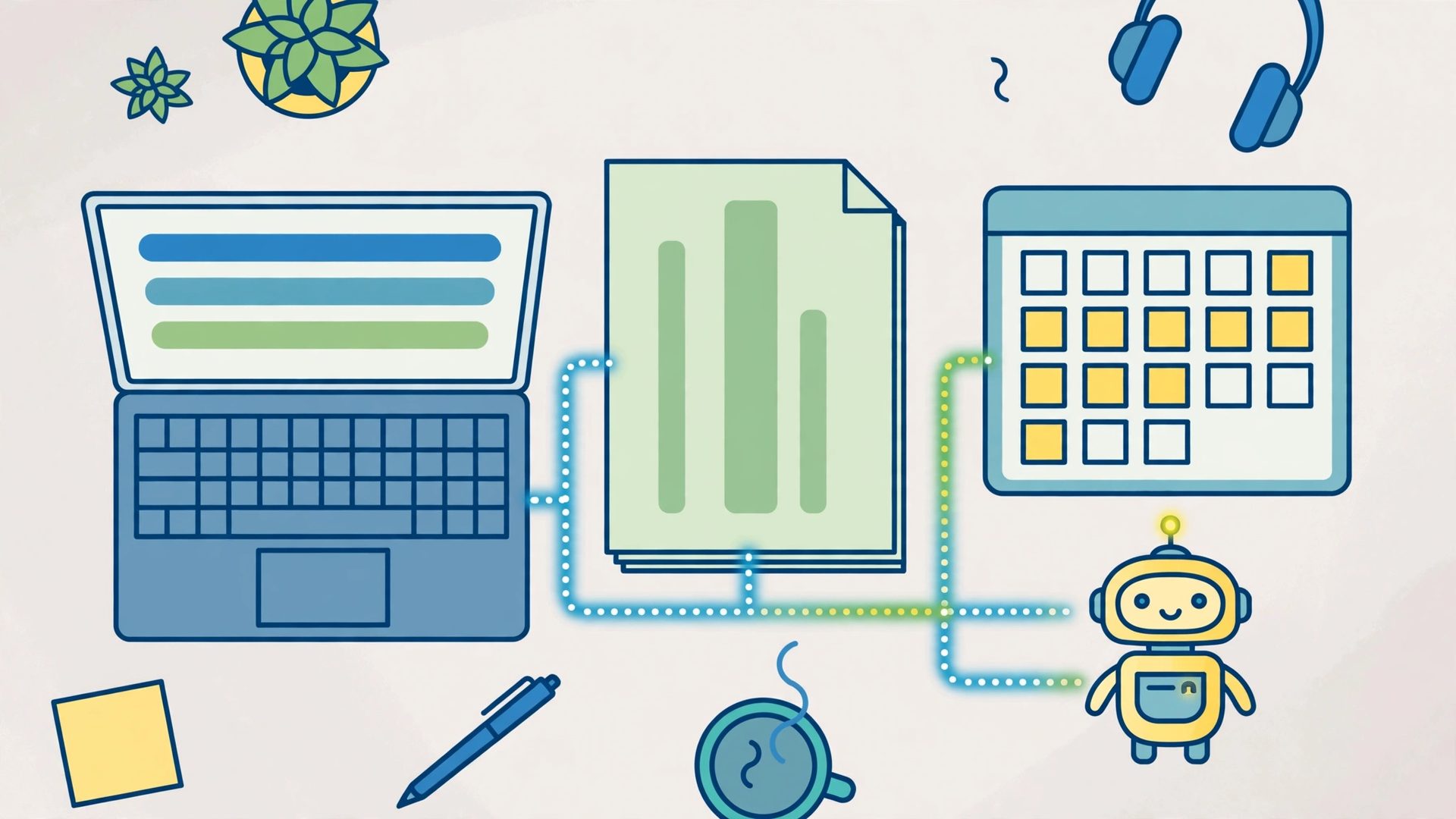
Documents and slides can be limited to a page range, rendered at low, medium, or high resolution, and read as extracted text or as layout-preserving page images; spreadsheets can be narrowed to a worksheet tab and cell range, exposing data, formulas, or visuals; videos can be clipped to a time interval, with adjustable frame rate and resolution, and a choice of transcript, frames, or audio; audio can likewise be clipped by start and end times. A file is uploaded once through the Files API, and its URI can be reused across turns and tool calls — an agent can even specify the next slice directly inside a function result. Slicing, rendering, and tokenization all happen on Google's servers, so developers no longer need to run LibreOffice, a PDF renderer, or ffmpeg locally.
The Savings: Skim First, Then Zoom In
The direct payoff is the token bill. In partner tests cited by Google, Vercel used 14x fewer tokens by skimming pages as extracted text instead of rendering a whole PDF, while LiteLLM's tests showed slicing cut prompt tokens by 67% for a PDF and 33% for a workbook. Google's reference figures put a page image at about 280 tokens at low resolution, about 560 at medium, and 1,120 at high. The recommended two-step workflow is to skim the whole file cheaply — extracted text, low-resolution previews, or transcripts — to locate the target, then spend high-resolution tokens only on the chart page or video frames that matter.
Who Benefits First, and Where the Limits Are
The most direct beneficiaries are agents that work with long documents: research reports, financial statements, multi-tab workbooks, and long recordings that used to be stuffed whole into context or preprocessed locally can now be fetched on demand through the API. The limits are equally clear: slicing does not relax upload caps — a single file is still limited to 50 MB, a single PDF to 1,000 pages, and each sheet to 50,000 cells — and files uploaded through the Files API are kept for only 48 hours. The controls cover all Gemini 4 models, document controls also support Gemini 3, and they are live now in Google AI Studio and on the Gemini platform.
The significance of this update is not a stronger model, but a shift in who controls cost: from the client to the server. Files no longer need to enter context whole, and the bill covers only the parts actually read. For other recent changes to the Gemini API, see this analysis of Genie 4 in the Gemini API.