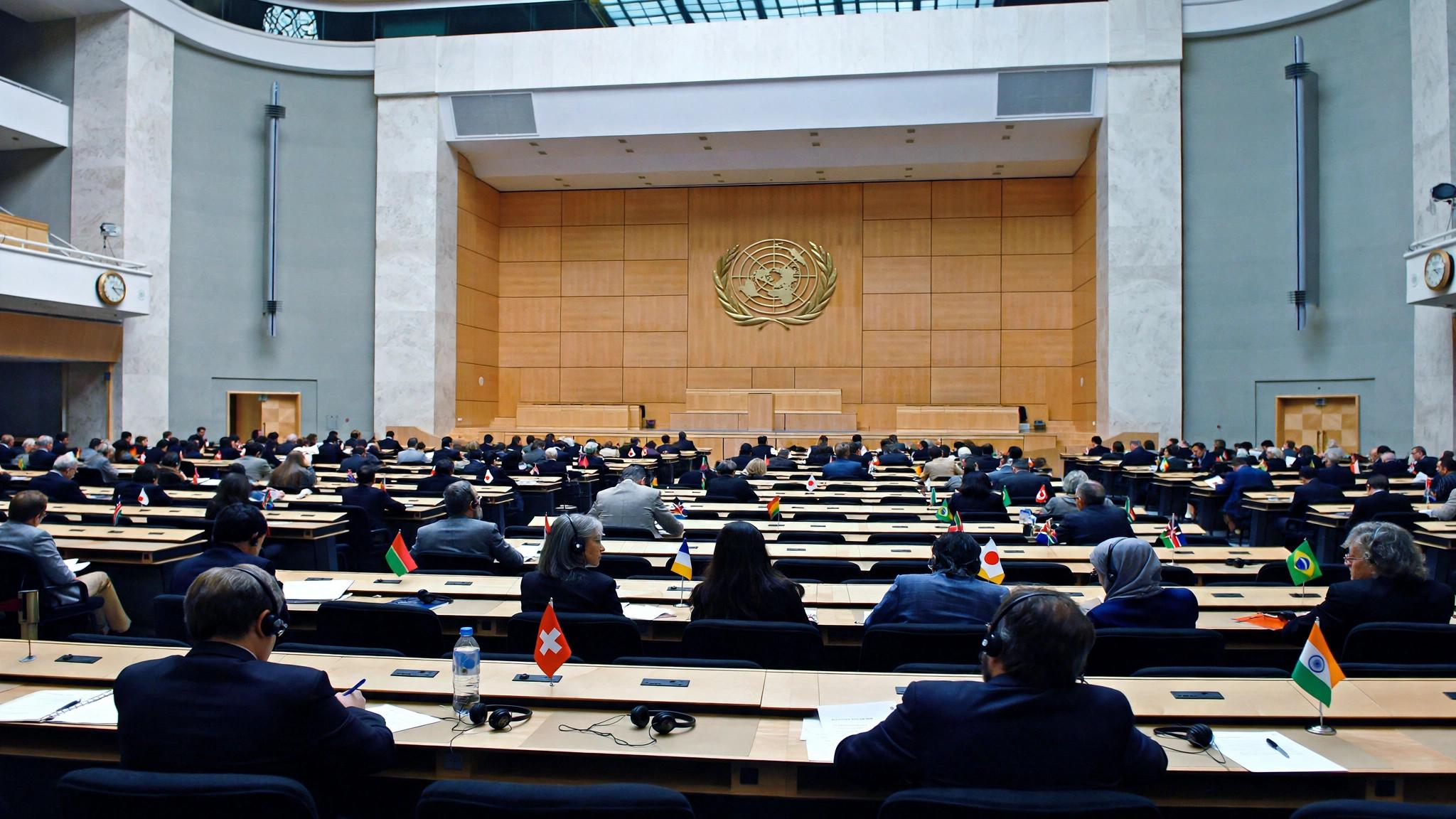
Early on Saturday, November 21, 2026, talks at the Palais des Nations in Geneva dragged on past 4 a.m. before ending. The 128 states party to the Convention on Certain Conventional Weapons settled on a compromise: take two years to "elaborate" an international instrument on lethal autonomous weapons systems, with a text due by 2028. But the deal says nothing about whether the instrument will be legally binding — so for at least two more years, "killer robots" that can select targets and attack on their own will remain outside any dedicated treaty.
It was the Seventh Review Conference of the Convention on Certain Conventional Weapons, which opened in Geneva on November 16 and was supposed to close on the 20th. The talks stumbled from day one: Russia blocked proceedings over the agenda, forcing some formal meetings to be cancelled, while the United States proposed spending five years discussing non-binding, voluntary guidelines. Meanwhile, nearly 100 countries and the International Committee of the Red Cross pressed for negotiations on binding rules to start within a year, and UN Secretary-General António Guterres had set 2026 as the deadline to launch talks. With positions deadlocked, delegates haggled over a handful of words through the night until conference president Julien Thöni, Switzerland's ambassador, announced the compromise in the early hours.
The compromise boils down to "draft first, decide its status later": states will spend two years writing the instrument, and only in 2028 decide whether it is a treaty and how binding its provisions are. Izumi Nakamitsu, the UN High Representative for Disarmament Affairs, called it a significant achievement while conceding the result was "glass half full or half empty." Critics were far blunter: the Stop Killer Robots campaign, a coalition of more than 300 organizations, called the mandate watered down, with no clear path to a binding instrument; MIT scholar Max Tegmark said states had effectively agreed "to just talk about the issue, for the 14th year." Behind the fight over the text lies accountability: if a machine wrongly kills civilians, it is still unclear whether the commander, the manufacturer, or the algorithm bears responsibility — and who answers when an agent runs out of control is already a live question in courts around the world.
The timetable is now set: Nakamitsu urged states to start work as early as possible to prepare the strongest possible instrument. But the real test is still ahead — whether major military powers such as the United States and Russia will accept binding provisions, and whether the final document ends up a treaty or a set of voluntary guidelines, will only become clear in 2028. A rules fight that has run for more than a decade still has no end in sight.