Oracle gave the market reassurance on November 20: the company said its infrastructure contract with OpenAI is fully funded, and the financing plan presented at its investor day — including vendor financing — is fully in place. The statement answers head-on the concern over how much debt Oracle is taking on to build AI infrastructure.
The campus and rack timetable
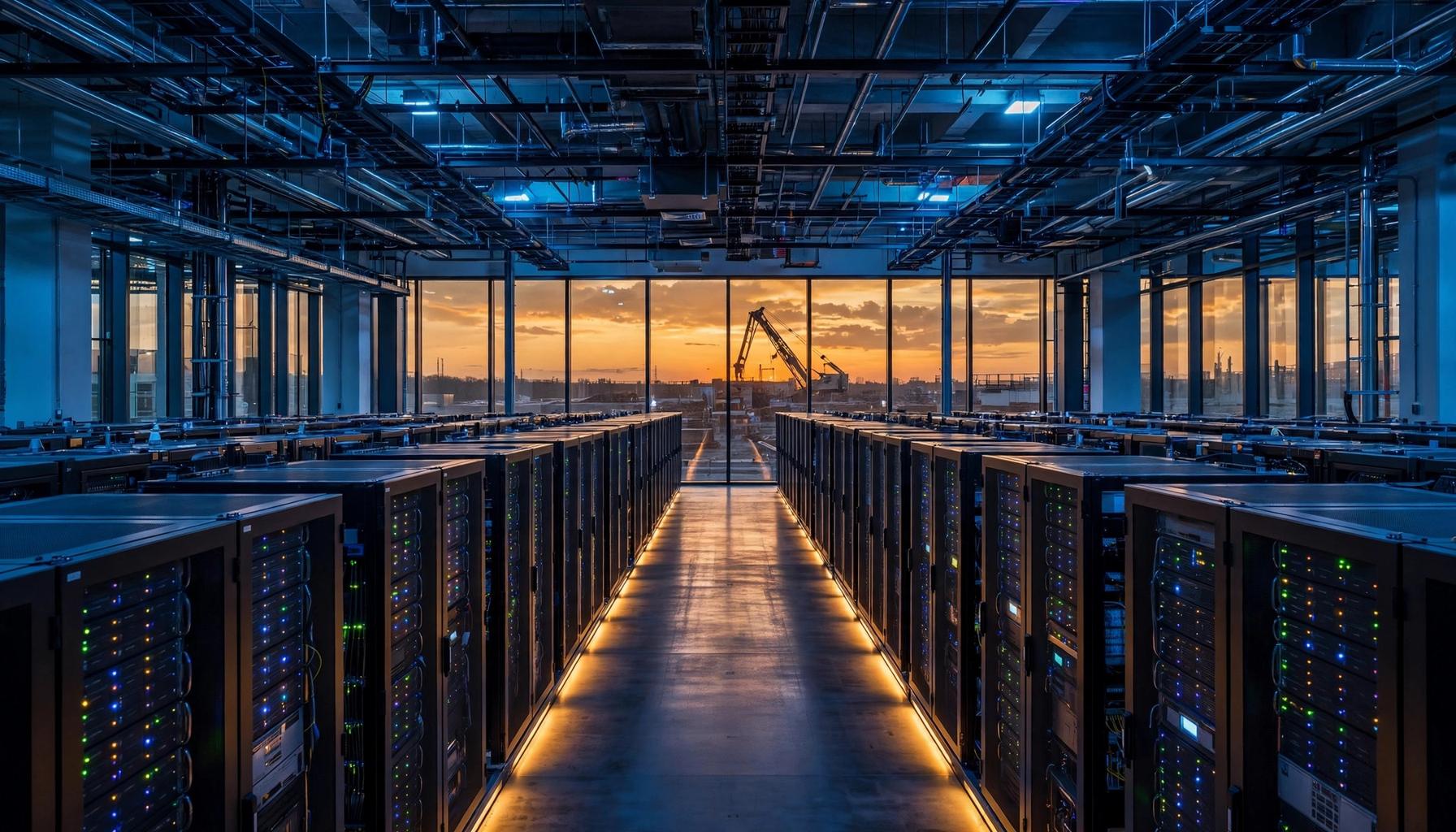
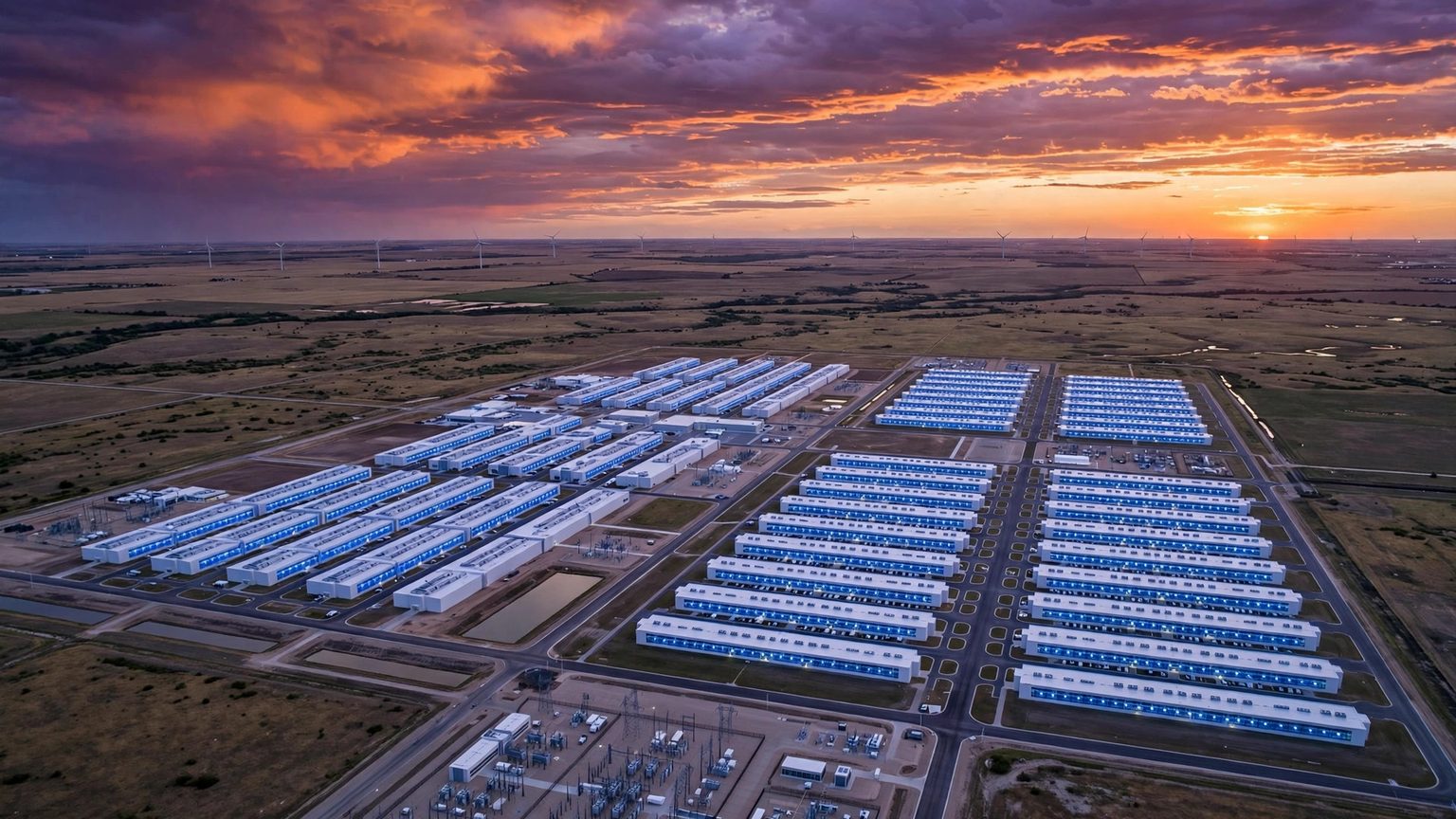
At the same time, there was fresh news on construction. The campus in Abilene, Texas, is nearly complete, and it is where OpenAI's GPT-6 Astra was trained; Abilene is the first site of the Stargate program, and Oracle and OpenAI plan to add another 4.5 gigawatts of capacity beyond it. The next gigawatt-scale campus, in Shackelford County, Texas, is now fully permitted, and handover of Nvidia's next-generation Vera Rubin racks is on track for the coming weeks. By announcing "the money is in place" and "construction is moving" on the same day, Oracle clearly wanted to settle both doubts at once.
With funding secured, what to watch next
This matters for more than the statement itself. In the same week, the Nasdaq fell 5.3% in a single day, and not even Anthropic's listing could stop the sell-off, putting Oracle's financing capacity squarely in the market's sights. Oracle added that further private discussions with vendors are merely additional options. With funding fully secured, at least the question of "can it afford it?" is off the table, and the variables shift to execution: whether campuses are delivered on time, whether racks arrive as scheduled, and whether OpenAI's appetite for compute keeps growing. Funding secured is not the same as risk eliminated, though: the contract remains a long-term, capital-heavy commitment, and the delivery pace of Vera Rubin racks and the construction cost of the next campus will keep weighing on Oracle's cash flow. In the next earnings report, the speed at which capital spending converts into revenue will be the hard test of this statement.