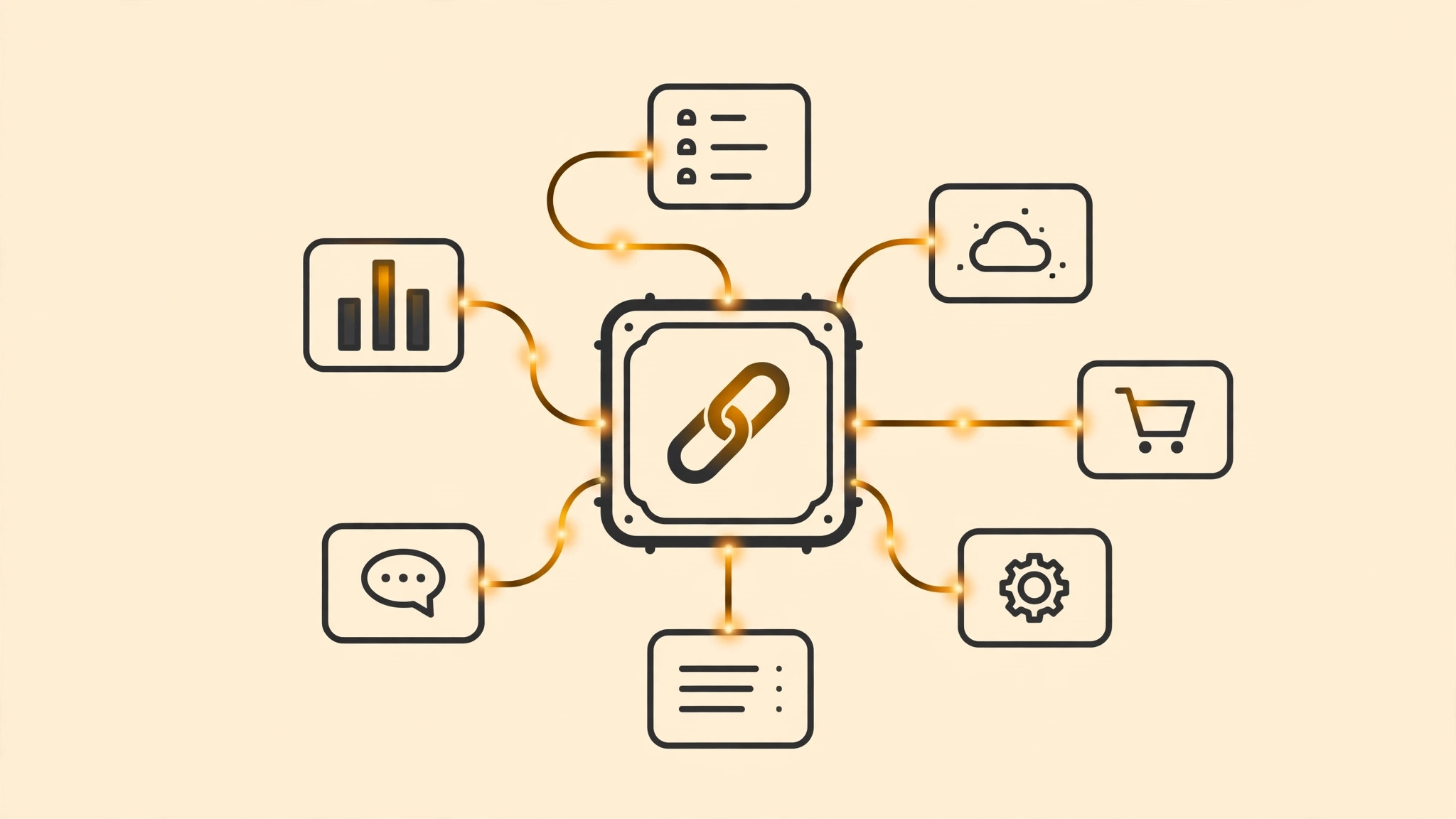
On November 17, Swedish payments company Klarna launched the Klarna AI-assistant, a personal assistant that handles shopping, returns, bookings, and everyday admin for users. It does not live only inside the Klarna app; it also runs on WhatsApp and iMessage. For now it is open to a small group of early users, with a waitlist opening the same day.
What it can do for you
Klarna describes it as a personal concierge: it finds products, compares prices, and buys them; books a table for two or a babysitter; tracks deliveries and booking confirmations; drafts emails for you to approve before sending; files receipts; and suggests gift ideas as birthdays approach. It builds on the shopping assistant already inside the Klarna app — customers have spent more than $34 billion through the app's built-in browser since 2020, even at stores that do not otherwise work with Klarna.
The old buy-now-pay-later model, through a new front door
Klarna puts the pitch in the announcement's headline: it finds the best product and price, buys it for you, and you do not pay until it arrives. Joining is free, but places are released in batches and the early group is small. What it really aims to remove is the fiddly work — comparing prices, making phone calls, chasing deliveries — not to build yet another chatbot. Control stays with the user by design: emails go out only after approval, and task progress can be checked at any time.
Do not expect it to do everything yet
Which countries it covers, which merchants are included, and how deep bookings go are all left open in the announcement, and waitlisted users will have to wait for the gradual rollout. This is not an empty field: the contest is about who first makes error-prone chores like returns and bookings reliably work. Klarna's choice to start small and expand slowly is itself a cautious statement — for an errand-running assistant, the worst failure is not having too few features, but botching a single job. For Klarna, this is also an attempt to turn a one-off payment relationship into an ongoing errand-running one: the more chores users hand over, the further forward its position in the shopping chain moves.