Whether the Plaud NotePin is worth buying depends on how many minutes of meetings you need transcribed each month. The hardware itself costs $159, which is not expensive — the real money goes to the transcription subscription that follows: the free plan covers only 300 minutes a month, and heavy recorders will pay another $99.99 a year, or even $239.99. People who meet two or three times a week and want their hands free can buy it; people who record only occasionally and can use their phone have no need for it.
The real selling point of the pin form
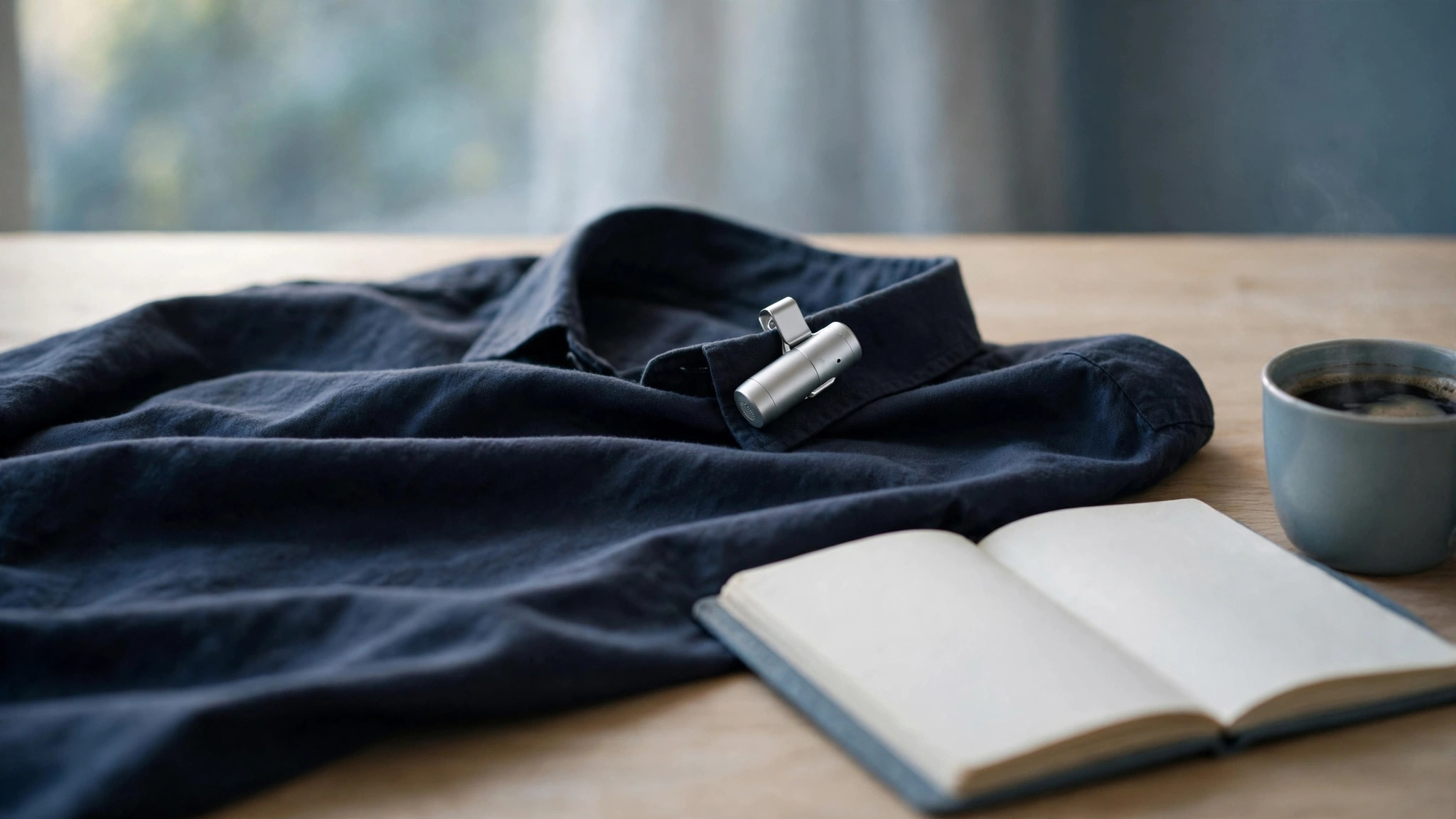
The NotePin is a pin-style recorder weighing about 16.6 grams. It clips onto a collar or a pocket, and one press starts recording — no need to pull out a phone or point a device at whoever is speaking. With 64GB of storage and about 20 hours of battery life, it lasts a full day of back-to-back meetings. Recordings transfer to the Plaud app for transcription, summaries, and to-do items, and there is a desktop app in beta for organizing notes on a computer too. For people who are often on site with their hands full, this form factor is the biggest difference from phone recording: recording changes from "remember to take out your phone" to "pin it on and forget about it".
The subscription bills by the minute — that is the real cost
NotePin transcription is sold by the minute. The bundled Starter plan is free and gives 300 minutes a month, about 5 hours. Pro costs $99.99 a year for 1,200 minutes a month, or $17.99 a month on monthly billing. Unlimited costs $239.99 a year with no minute cap. Do the math: a NotePin plus one year of Pro comes to $258.99; a NotePin plus one year of Unlimited comes to $398.99. Unused minutes reset at the end of the month and do not carry over. So before buying, estimate your own recording volume: under 5 hours a month, $159 is the total cost; three or four one-hour meetings a week easily passes 20 hours a month, and the free plan will not last two weeks — Pro may not be enough either. Two hard limits to know in advance: the NotePin can only record in-person conversations, not phone calls — for calls you need the Note or Note Pro with vibration conduction. The newer NotePin S sells for $179, so confirm which model you want before buying.
Who it suits — and who it does not
People with many meetings and interviews every week who want their hands free are a good fit. In fixed settings like meetings, classes, and interviews, the NotePin costs very little to use: pin it on, press once, and wait for the summary after the meeting — far easier than phone recording plus manual sorting, and the free 300 minutes cover light use as well. People who record only once in a while should not buy it. A phone's built-in recorder plus free transcription tools are already enough; spending $159 for a few uses a year, then learning a new app on top, is not worth it. Heavy recorders on a tight budget can split the difference: buy the hardware first, live on the free plan for two months, note the real monthly recording volume, and then decide whether to upgrade to Pro — do not pay annually on day one. The hardware is a one-time expense; the subscription is a bill that renews every year. Before buying a NotePin, work out how many minutes you actually record each month.