Xiaomi AI Glasses start at ¥1,999 for the standard version, and since October 2026 the official store lists them from ¥1,699 — making them the cheapest camera-equipped AI glasses you can buy in China. The verdict: if you're in China, speak Chinese day to day, and want glasses that take photos, play music, and answer to Xiao Ai, they're worth buying. If you're abroad, or you want a display in the lens, stop here.
Their biggest selling point: you can wear them out without looking odd
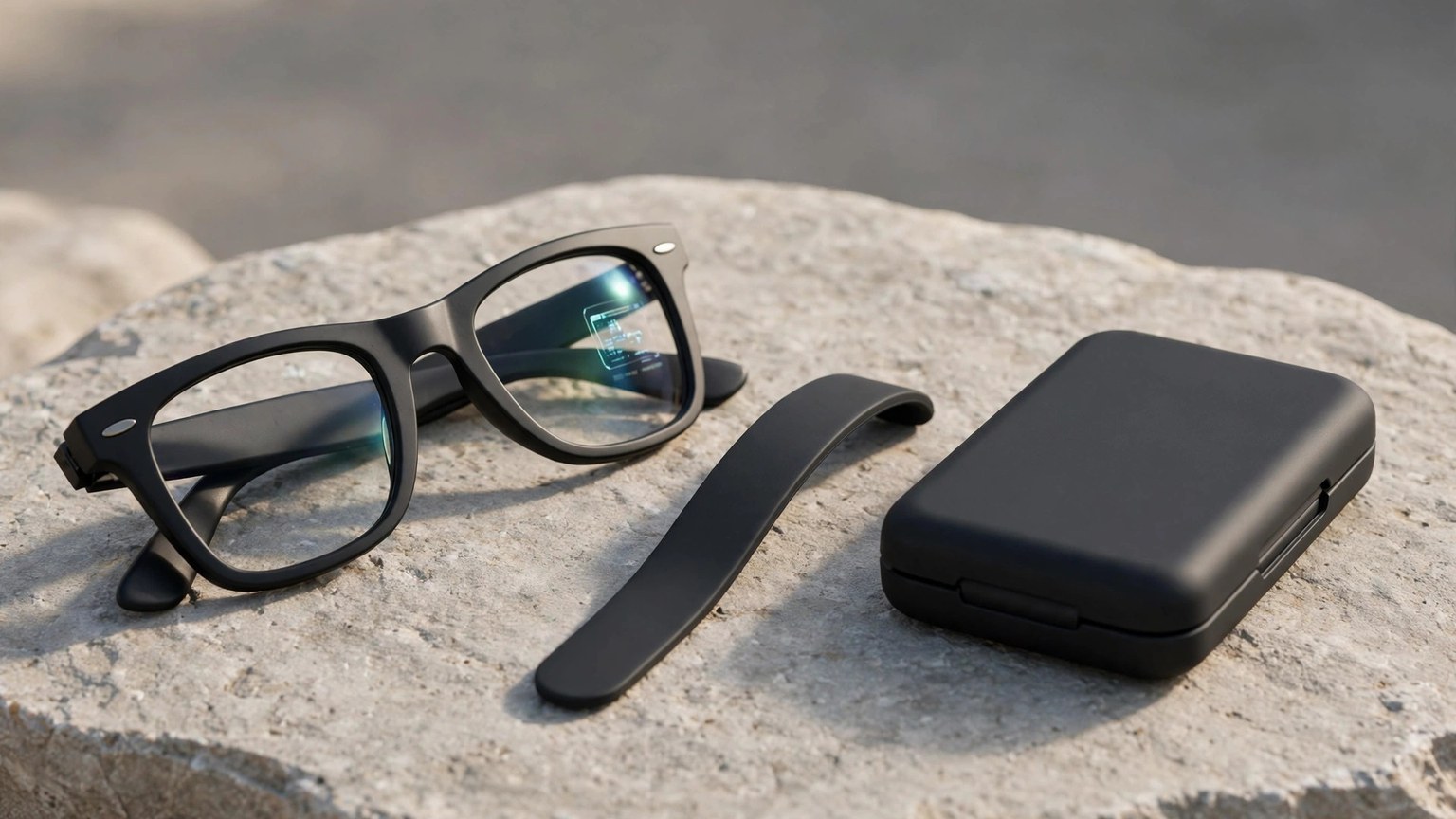
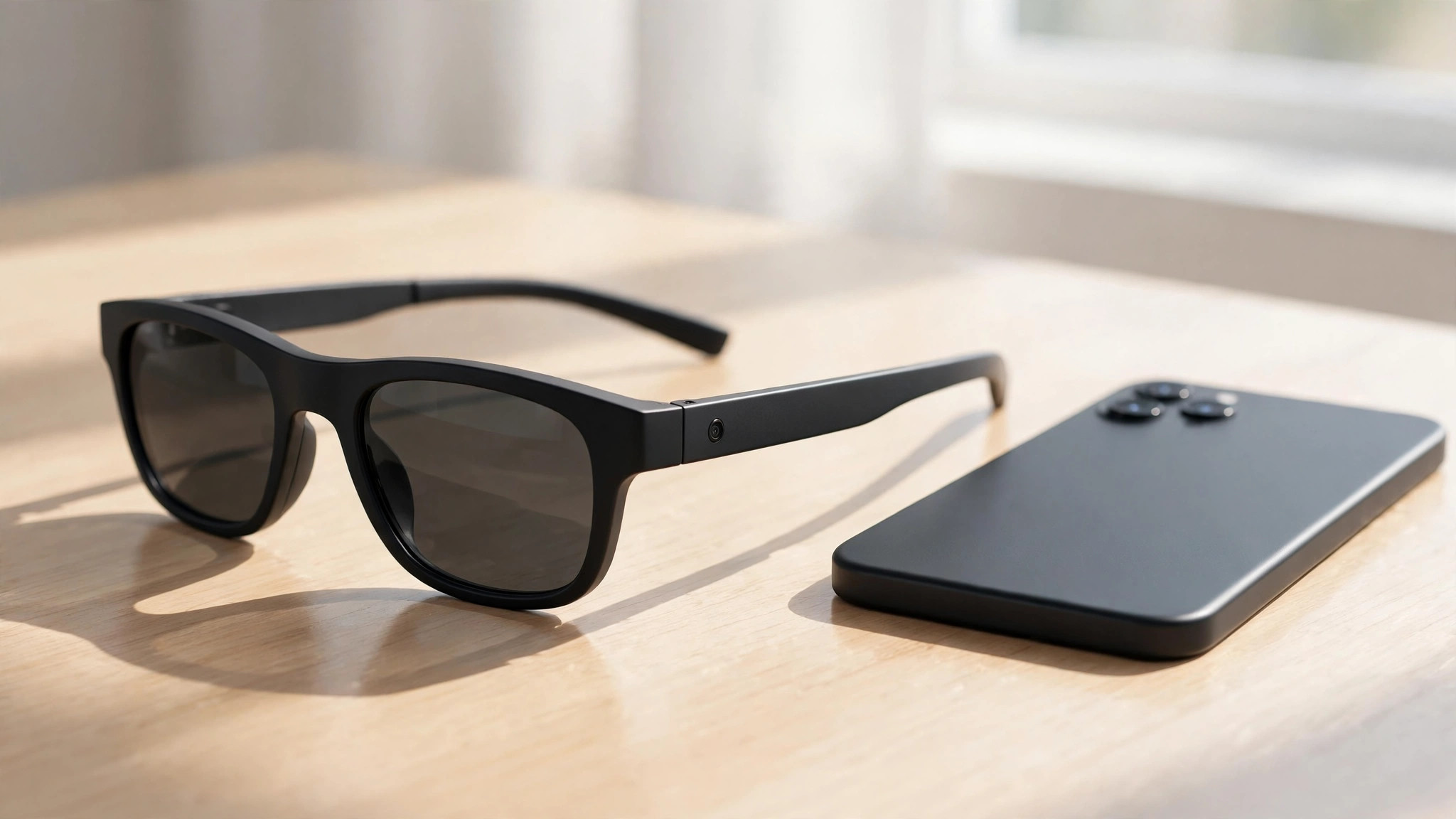
They're a 40-gram pair of glasses, not a headset — wearing them outside doesn't draw stares. The 12MP camera sits in the temple and takes first-person photos and short videos without pulling out your phone. The Snapdragon AR1 chip and 263mAh battery are rated for 8.6 hours of mixed use — about double the roughly 4 hours of Ray-Ban Meta. Speakers hide in the temples, so music, calls, and navigation work without earbuds. Wake Xiao Ai by voice to check the weather, set reminders, or translate street signs — good enough for everyday use. The electrochromic version starts at ¥2,699 and switches lens tint at a tap, so sunglasses and regular glasses become one pair.
The biggest barrier isn't price — it's region and language
They're sold only in mainland China, the AI services run on Xiaomi's Chinese cloud, and Xiao Ai only understands Chinese. Buy them abroad and the assistant and translation — the core features — basically don't work. There's no display in the lens: navigation, schedules, and notifications can't be seen, only heard. If you want a screen, you'll pay more for a display model such as the Meta Ray-Ban Display with a screen in the lens, but battery life and price there are a different calculation. Video has no stabilization, so footage shot while walking shakes; QR-code payment and similar features are coming in later OTA updates, so don't buy on the strength of advertised future features.
Who they're for — and who should skip them
They're for people who wear glasses every day, photograph daily life often, and already use a Xiaomi phone and smart home: ¥1,699 for glasses that take photos and play music isn't expensive. They're not for three groups: people overseas and anyone who doesn't speak Chinese; people who want an AR display with navigation projected into the lens; and anyone privacy-sensitive who'd feel awkward wearing camera glasses in an office or at school. Before buying, check two things: that you'll use them in China, and that you accept them as "glasses that can take photos" — not "a phone for your face".