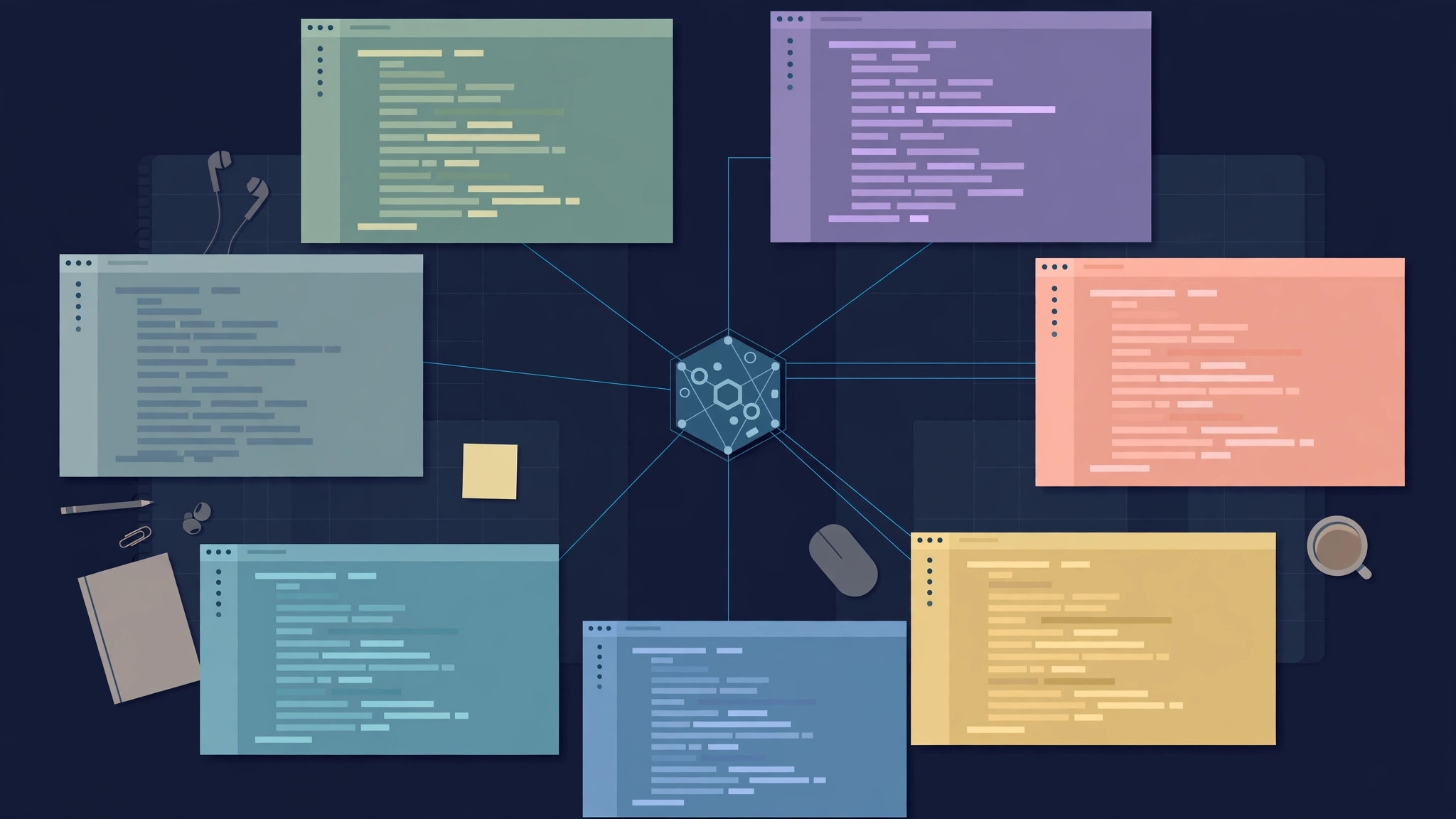
On November 4, at the Fal.Con Europe conference in Barcelona, CrowdStrike unveiled Agentic Adversary Emulation, an agentic red-teaming capability built into the Falcon platform: AI first plays the attacker, chaining weaknesses inside a customer's own environment into an attack path leading to critical assets, then telling defenders which segment to fix first, and finally rerunning the attack to verify whether the path is really closed. Underneath it is SafeMind, CrowdStrike's family of security models, whose offensive model, Red Tempest, probes weaknesses, works around defenses, and links several small problems into an exploitable chain, like an autonomous attacker.
A simulation roughly follows three steps: first, find an exploitable path in the context of the Falcon environment; then prioritize fixes by how dangerous the path to critical assets is; after fixing, launch a controlled attack again to confirm whether the same route still works. SafeMind was trained on telemetry from Falcon sensors, expert-labeled threat intelligence, and the experience of frontline analysts and incident responders handling real intrusions. In the announcement, CrowdStrike cited an example from its own 2026 Agentic AI Campaign report: one agent used a single vulnerability to gain cluster-administrator privileges and then exfiltrated 726 databases with no human at the keyboard. The example is not about one specific real intrusion, but about how much a single weakness can be amplified once it is chained.
Who can use it now, and what is not yet proven
For now, the capability is in early access only for selected customers, through Project QuiltWorks partners, not directly available to every Falcon customer. The announcement also gave no independent test results, so how well Red Tempest detects paths in different enterprise environments, its false-positive rate, and whether its remediation advice is reliable all still await validation by early customers. An important boundary is that this is advance simulation and validation, not after-the-fact blocking: the loop only closes once a path is found, fixed, and passes a retest; if a team runs simulations but does not fix the highest-priority segments, the attack path remains. For security teams, its value depends on two things: whether the assets and telemetry in the Falcon environment are complete enough, and whether the remediation process can keep up with the speed at which simulations find problems.