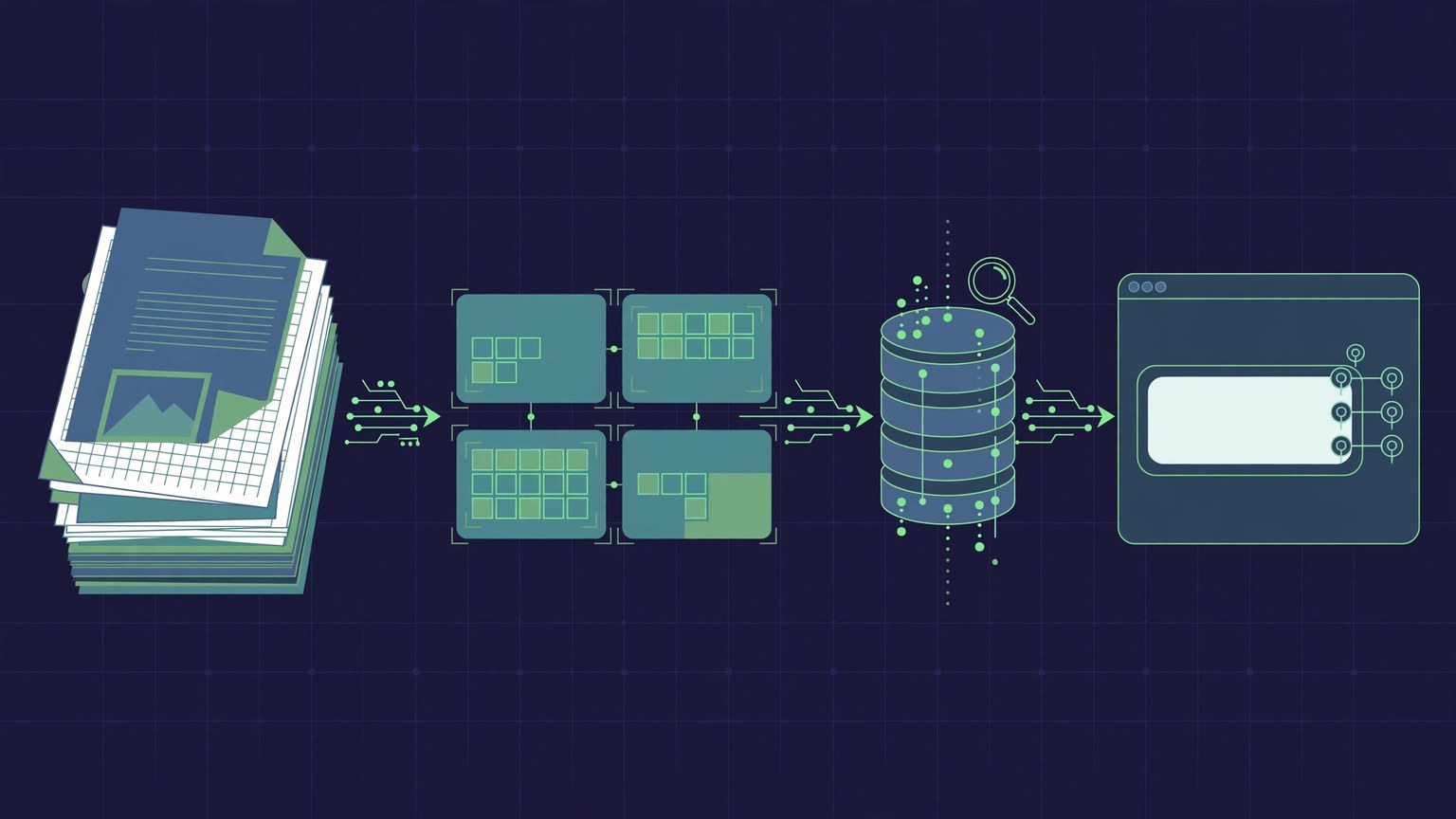
Choose AI job-search tools by the stage of the search, not by reputation. Resumes, mock interviews, and job matching are three different jobs: a resume needs structure and wording, an interview needs follow-up questions and feedback, and matching needs job information and screening. One tool rarely does all three well. First work out which stage you are stuck at, then decide which stage is worth paying for.
Job seekers fall into three groups. New graduates with little internship experience should first improve the factual density of the resume: turn coursework projects and internship output into verifiable results, then let a tool check wording and formatting. People with a few years of experience who want to change jobs should practise interviews first: turn real project experience into stories with background, action, and result, where the tool's value lies in follow-up questions and finding faults. People applying widely with little time should prioritise matching and application management: screen for genuinely suitable roles against the job requirements, control the pace of applications, and use the tool to save time rather than to decide for you.
| Stage | What to prioritise | Common pitfall |
|---|---|---|
| Writing a resume | Factual density, job keywords, clean formatting | Invented experience, templated wording, one version for every role |
| Mock interviews | Quality of follow-up questions, feedback tied to a specific sentence | Only praise, no problems pointed out, questions unrelated to the role |
| Job matching | Whether postings are fresh, whether screening is explainable | Only popular roles pushed, applications disappearing with no follow-up |
For specific tools, a general conversational model suits mock interviews and resume wording, provided you first supply real experience and the target job description, so it can ask follow-ups by role and give feedback sentence by sentence. Resume-template tools suit fast first drafts, but check every fact yourself, and treat any tool-generated description of experience as a draft. Built-in AI matching on job platforms suits discovering roles; read the original posting for any recommendation and confirm the duties and requirements really match before applying. Before paying, confirm three things: whether you can export your resume and records, whether billing renews monthly, and whether interview feedback can be tied to specific answers. Skip anything vague on these points.
Who it is not for, and what to do instead
People who only want a tool to "write a resume to hand in" should not hand decision-making to a tool. When a recruiter checks the experience, it will not stand up to questions, and that is worse than doing it yourself; the alternative is to list the facts first, then have a friend or career adviser go through them one by one. People who have not prepared for interviews at all and cannot even explain project details should not start with AI interviews either: the tool's follow-ups will only expose the lack of preparation, so write up the project review first, then practise. People who already have a target company and a referral channel need not pay for matching features; targeted preparation is a better use of time. The rule for choosing a tool is: try the free allowance for one complete workflow first, and only consider paying when you can say which sentence it changed and which step it saved.