Claude message threads entered public beta on the Claude Platform on November 2. In its official blog post, Anthropic said long-running agents now need to send only what is new in each turn, instead of resending the full conversation history. The longer the context a session carries, the clearer the drop in the time spent waiting for the model to start answering, and that is the most direct value of this update.
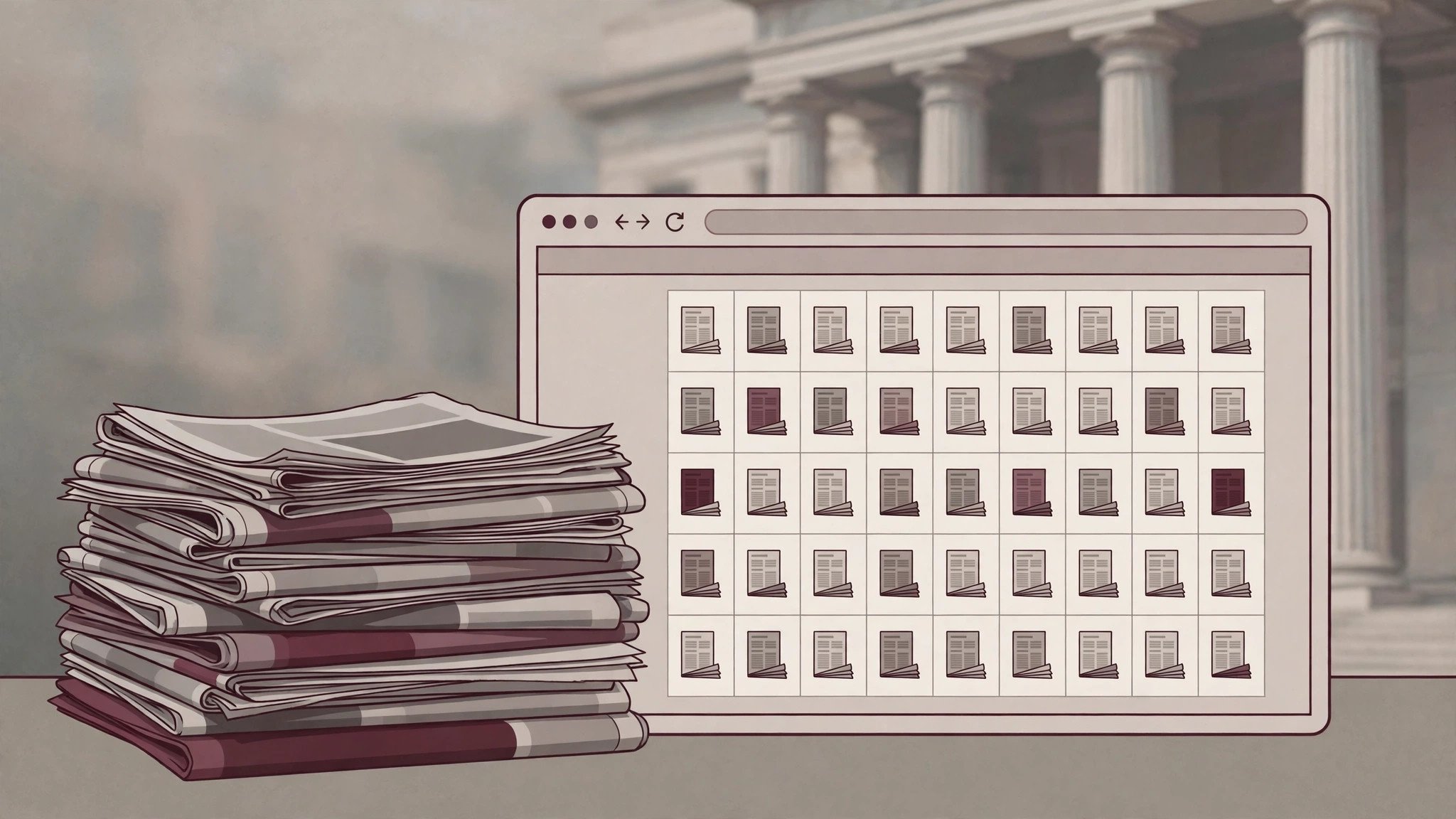
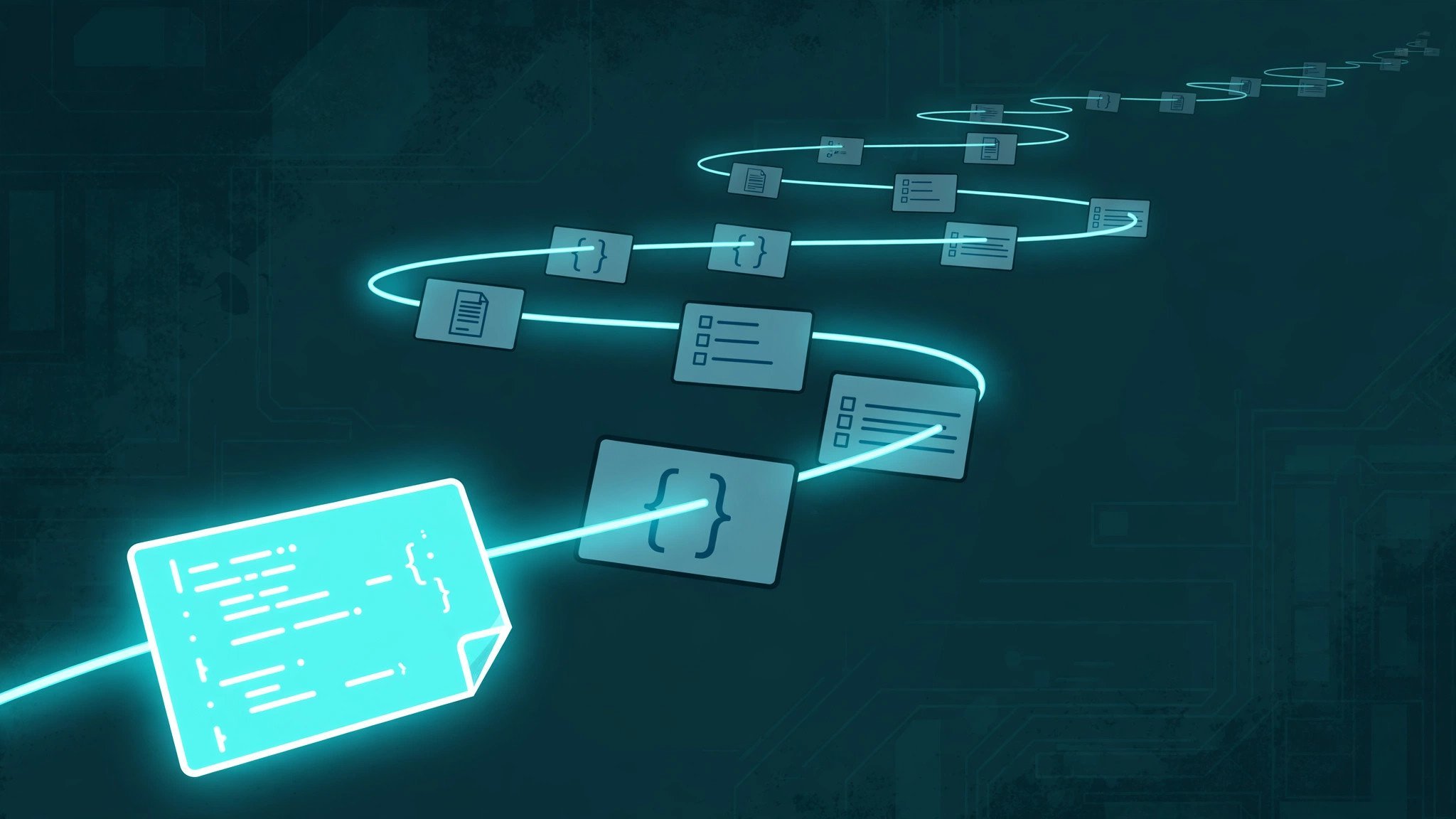
The old bottleneck is easy to understand: a coding agent might make hundreds of requests in one session, and each request had to resend every earlier message and tool result. Once a conversation reached hundreds of thousands of tokens, resending it added time before the model started responding. Message threads add a thread parameter to requests. The first request sends the full conversation and starts a thread; each later request sends only the new messages and the ID of the previous response. Between turns, the thread is held in memory, encrypted and not written to disk.
Median time to first token falls by about 35%, with no change in how usage is counted
Anthropic's figure is a median time to first token (TTFT) drop of about 35% for requests with 500k to 1M tokens, and message threads is already on by default for most Claude Code users. Claude still reads the full conversation on every turn, so token usage stays the same, and standard token rates and existing rate limits apply. The public beta covers the native Claude Platform, Claude Platform on AWS, Claude in Microsoft Foundry, and Claude Models on Google Cloud (Anthropic managed). Developers can follow the documentation to start using it.
Threads expire after 5 minutes idle, so short sessions need no special change
A thread expires 5 minutes after its last request, and after expiry the client must resend the full conversation to start a new one. The feature fits sessions that keep running: coding agents that add tool results or file edits in every turn, computer-use agents whose screenshots stay with the thread instead of being re-uploaded, and document- and image-heavy workflows. Short sessions with long gaps gain little, and a pause of more than 5 minutes brings the first-turn wait back to where it was. Whether to adopt it depends on whether sessions are genuinely long, not simply on the fact that it is new.