MiniCPM-OCR 1.0 takes aim at one of the most grinding jobs in document work: turning scans, phone photos of pages and PDFs into usable text. On 28 October 2026, ModelBest and the OpenBMB open-source community open-sourced the MiniCPM-OCR suite on GitHub. The lead model is MiniCPM-OCR 1.0, with 1.3 billion parameters, paired with MiniCPM-OCR Jev, a judging model that scores recognition results; the code, documentation and model weights are all released under the Apache 2.0 licence.
One model reads, the other checks the reading
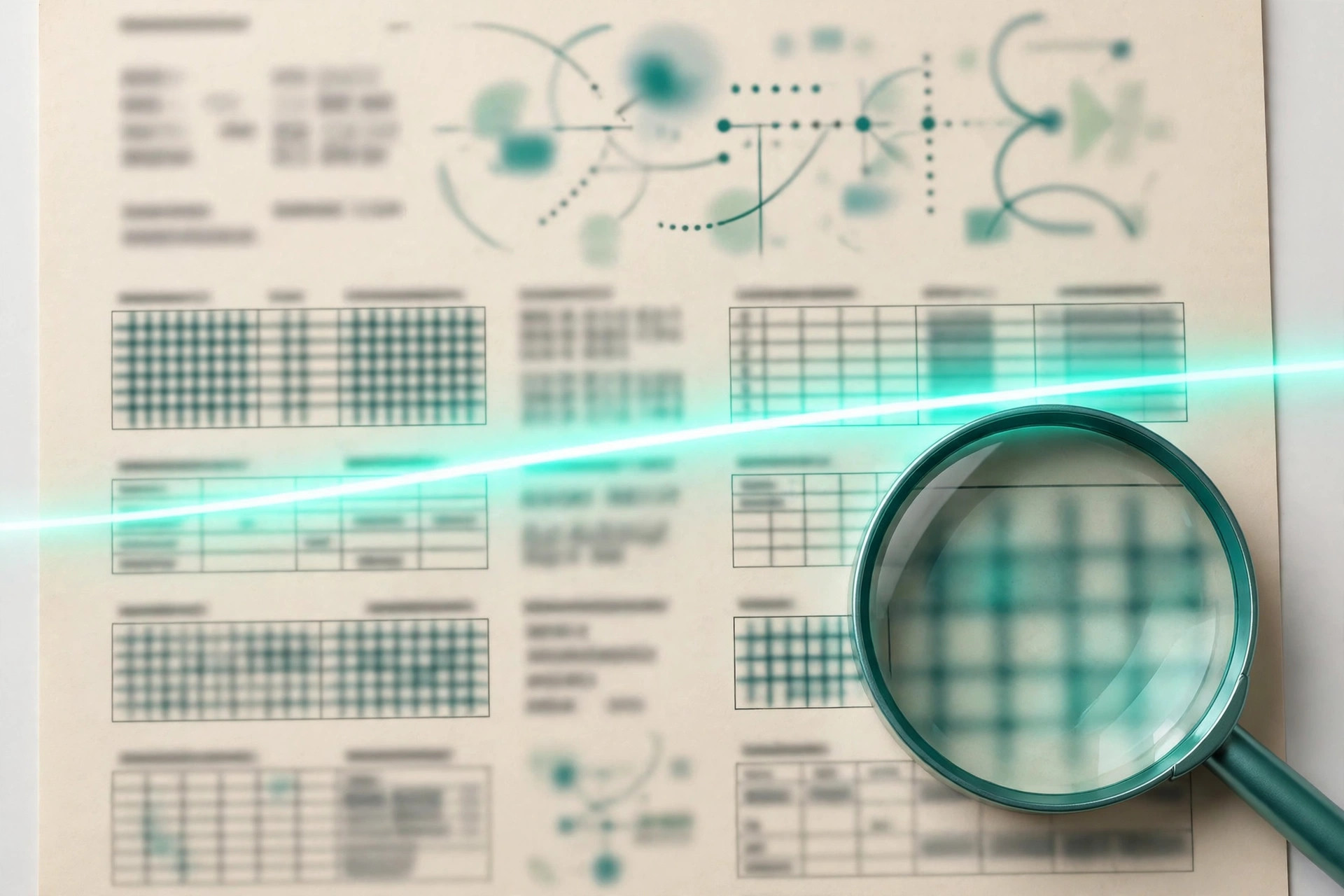
MiniCPM-OCR 1.0 is trained on top of MiniCPM-V 4.6 and handles Chinese and English documents, covering text, tables, formulas, charts, seals and key-information extraction, with output that can be assembled into Markdown. Its pipeline starts with PP-DocLayoutV3 for layout analysis, region cropping and reading order, then sends the regions to the model in parallel for recognition, and finally merges the results. Jev, at just 2 billion parameters, takes the original image and the recognition result and returns a quality score from 0 to 1, so users can pull out suspect regions for review instead of re-reading a whole document; it can also score the output of other parsing models.
The official benchmark scores are high, but real deployment still needs its own test
On the numbers published by the developers, MiniCPM-OCR 1.0 scores 93.68 on Real5-OmniDocBench, a benchmark for real-world document parsing, and 54.7 on OCRBench v2. On an Nvidia RTX 5090 with DSpark decoding acceleration, end-to-end efficiency improves by 55% and throughput reaches about 1.2 pages per second — roughly 1.49 times PaddleOCR-VL-1.6 and 3.62 times MinerU2.5 Pro. Jev reaches an AUROC of 93.6 on JevOCRBench, which the developers say approaches the 93.8 of Qwen3.5-397B-A17B. These are the publisher's own measurements, and scores depend on the evaluation setup; what really decides whether the model earns a place in a production workflow is how it performs on your own documents, where scan quality, layout complexity and the share of handwriting all widen the gap. The trial barrier is at least low: from day one the model supports vLLM, SGLang, llama.cpp and Ollama, alongside a pip SDK, a full API and an online demo, so running a few real files through it says more than benchmark scores alone.