Canva released its first in-house image generation model, Canva Craft, on October 22, 2026, built from scratch by the Canva Research team. It is not competing on "looks like a photograph" but on "lays out like a design": its rivals are the image models of Google, OpenAI, ByteDance and Meta, and Canva's wedge is the design template library it has accumulated over years.
Plan the layout first, then render
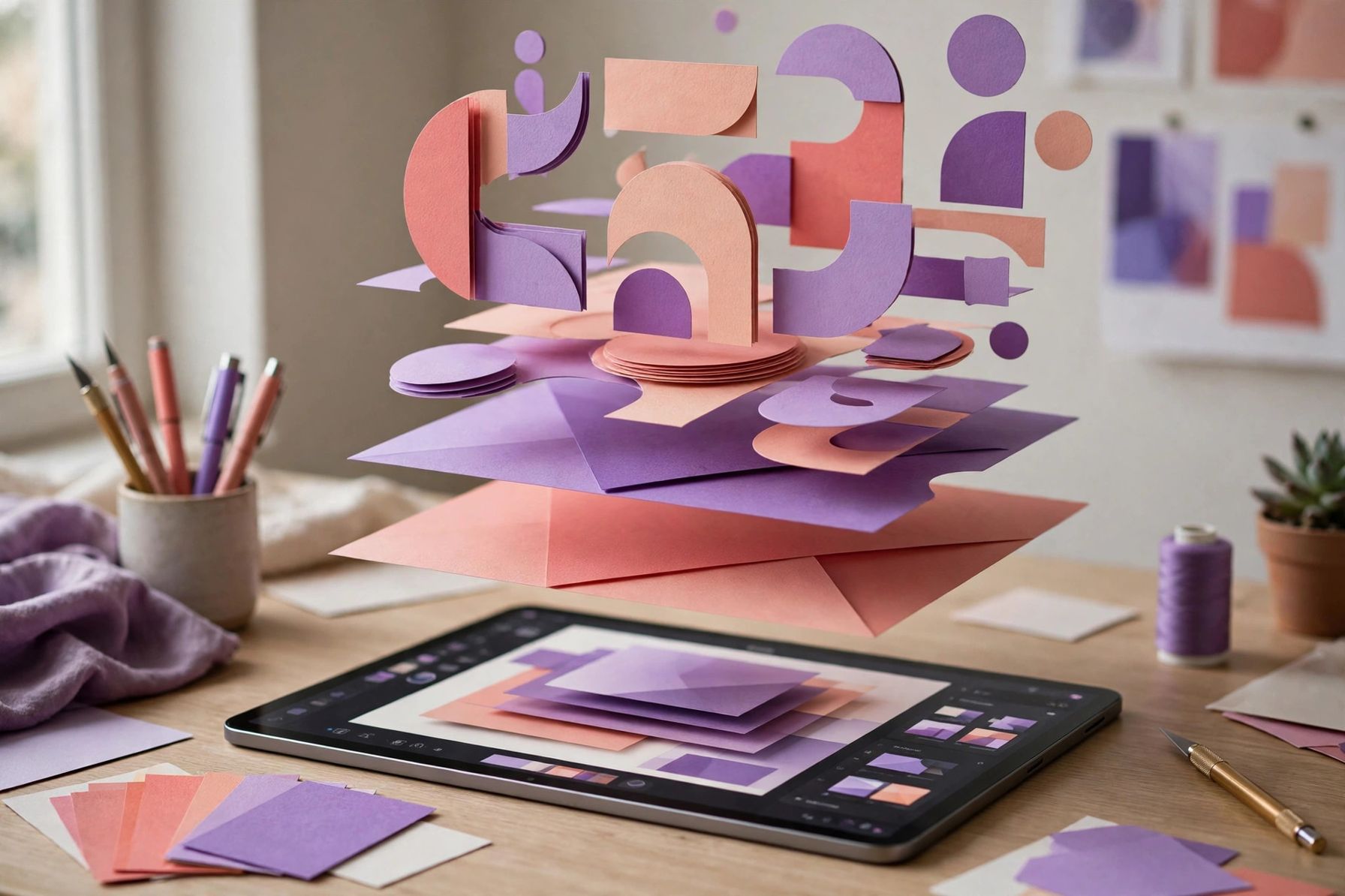
Craft generates in two stages. First, a planning model reads the prompt and writes the composition as a plan: the spatial relationships between elements, their relative scale, the visual hierarchy, and where text appears and what it says. Then a rendering step turns the plan into an image at up to 2K resolution, in around 30 aspect ratios. Its training data also differs from rivals': instead of photographs, it learned from human-designed templates in Canva's library — posters, social posts, presentations, infographics, menus and typography-heavy layouts. The direct payoffs are legible text and edits that change only the specified part without disturbing the rest; outputs can also be converted into layered designs through Canva Magic and refined layer by layer in the editor. This plan-then-render route targets the same need as FLUX 3 Image's multi-round precise editing: commercial design does not need one stunning draft, it needs work that can be revised and shipped.
For Canva, it is also a cost story
Craft is available now to all Canva users through the Dream Lab tab, and through the Canva API; the company also plans to let third-party chatbots such as ChatGPT and Gemini generate with it via MCP. Researchers from Leonardo.ai, which Canva acquired in 2024, contributed to the model, and two cheaper, faster variants — Craftfast and Craft-ultrafast — are in development. Canva previously relied on third-party models for in-platform generation; with its own model it brings API costs back in-house and gains direct control over quality and speed. For users, the change is concrete: more of the posters and graphics made inside Canva will come from a house model that understands layout, rather than being a by-product of a general-purpose image model.