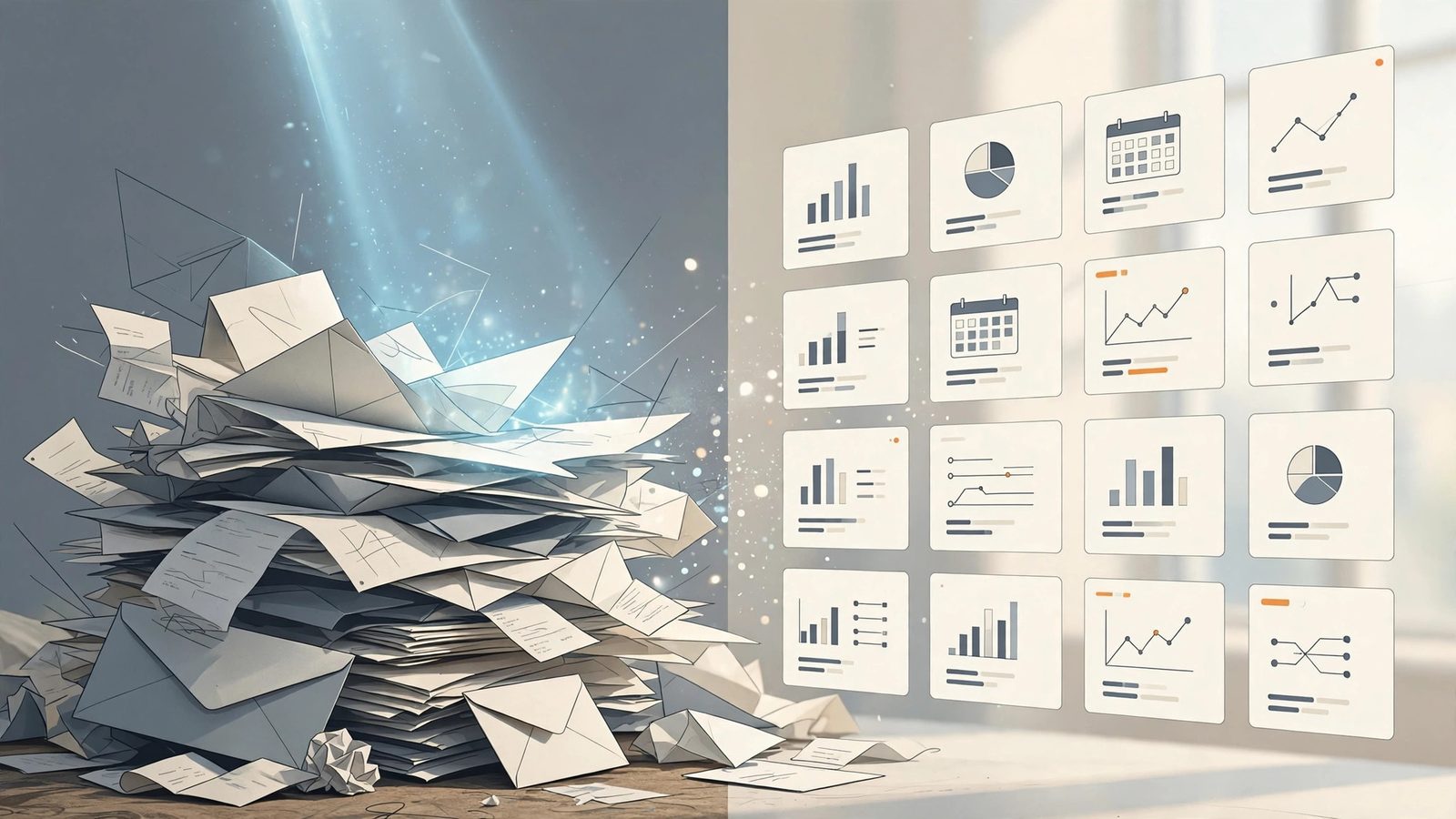
Otter.ai announced on October 20, 2026, in a press release distributed via Business Wire, that it has closed $320 million in growth financing from General Catalyst's Customer Value Fund. Co-founder and CEO Sam Liang was explicit about the structure in comments to Reuters: this is repayable, debt-style financing rather than an equity round, so existing shareholders are not diluted. The meeting-notes category, long treated as a small utility, has borrowed at a new scale.
The confidence to borrow is written in the user numbers
Otter.ai's reported figures: more than 40 million users worldwide, over 1 billion meetings transcribed, and an estimated $1.5 billion-plus in customer return on investment. More than 86% of the Fortune 500 already have teams using the product. The telling detail is how they got there — most enterprise usage spread organically from individual employees rather than being sold top-down by a sales team. Enterprise is the company's fastest-growing segment, and Liang aims to at least double enterprise revenue next year, with tripling as the optimistic case.
How the money gets spent, and how it gets repaid
Per the announcement and Liang's interviews, the capital funds enterprise go-to-market expansion, international growth and product innovation: the sales and marketing budget is set to double or triple, the still-small sales team will grow, and agentic workflows are a named product priority. The repayment path is built into the structure — marketing spend is expected to convert into revenue that services the debt, and the fund may provide more capital once the initial amount is deployed. The US is Otter's largest market, followed by Canada, Britain and India, and while an eventual IPO remains on the agenda, Liang says enterprise revenue comes first.
What this changes in the meeting-tools market
Otter.ai no longer wants to be just transcription; it is positioning itself as the voice system of record for enterprises, turning meeting context into searchable, actionable organizational knowledge. That means competing head-on with large platforms that bundle transcription into office suites. The independent tool's edge has to come from transcription accuracy, speaker identification and post-meeting automation, while the debt structure adds a specific pressure: converting organic individual users into paying organizations has to outrun the repayment schedule, and unlike equity, this money does not wait patiently if conversion disappoints.