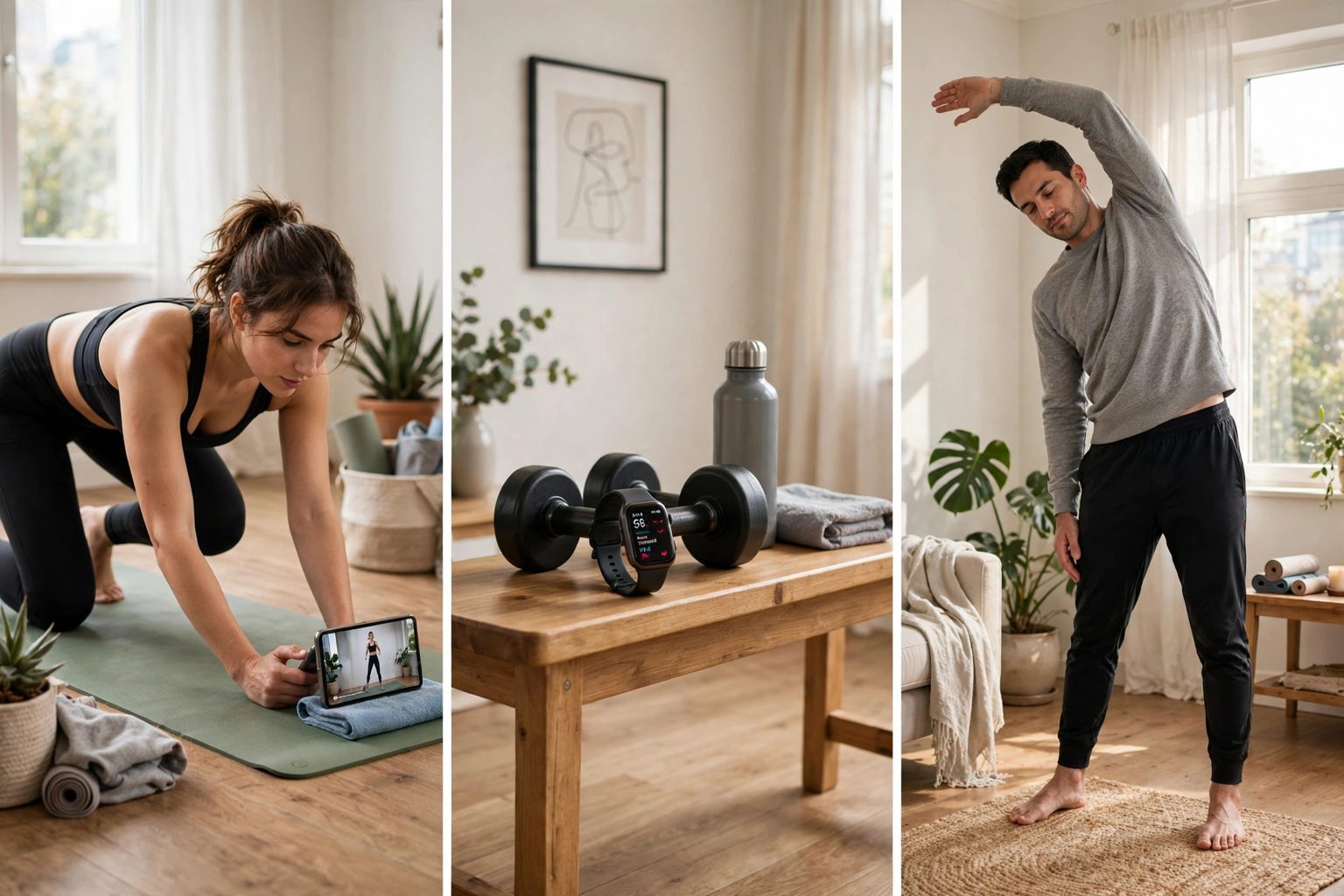
AI fitness tools all look like they plan workouts and train with you, but the real split is who you are: a beginner sweating along to videos, a lifter tracking sets and loads, or an office worker with a watch who just wants to close the activity rings. Those are three different products. Match yourself first, features second.
| Who you are | Start with | Strength | Limit to accept |
|---|---|---|---|
| Home follow-along beginner | Keep, Apple Fitness+ | Structured classes with a coach on screen, little equipment needed | Generic plans; intensity often feels too easy after a few weeks |
| Strength trainee | Fitbod, Freeletics | Sets and loads adjust to your equipment and recovery | Needs gym access or your own dumbbells; limited at home |
| Heavy watch user | The watch's own ecosystem (Apple Watch, Garmin training suggestions) | Heart rate, sleep and recovery data feed the advice | Switching ecosystems means switching everything; class library is thinner |
| Just wants to move | Light reminders and short sessions in your phone's health app | Lowest friction, ten minutes counts, no outfit change | Weak intensity and structure; do not expect visible transformation |
Follow-along versus plan-based: the costliest mix-up
Follow-along tools sell zero thinking: open the app and a class starts, with a coach demonstrating every move, ideal after a long workday. The price is blindness to your real level; the same move is sloppy for a beginner and trivial for an experienced trainee, and the video plays on regardless. Plan-based tools do the opposite: they compute the next session from your equipment, goal and last performance, which lifters benefit from most, but they ask you to log every load and rep, and people who hate logging quit within two weeks.
Form correction: buy it at the right expectation
Many apps advertise camera-based form checks. In practice they handle big, countable things reasonably well, squat depth or push-up counts, and struggle with the details that actually matter, like muscle recruitment or joint compensation; a bad camera angle also triggers constant false alerts. As a counter and reminder it is fine; as a private coach it is the wrong purchase. If you can, have a human coach check your key lifts a few times first, then let the app maintain the habit.
Who should not buy
Anyone with an injury history, in post-surgery recovery, or pregnant should not follow an AI plan directly: these tools do no medical assessment and cannot read pain signals, so ask a doctor or physiotherapist first. Competitive athletes are also a poor fit; template plans do not replace targeted preparation. And think twice if you are sensitive about body data: weight, heart rate, sleep and cycle data all land in the cloud, so check where the export and delete options live before subscribing, and walk away if you cannot find them.
Most tools offer a free tier or trial. Use it for a full week: if you complete three sessions and logging does not annoy you, then consider paying. An unused membership is just a treadmill with a subscription.