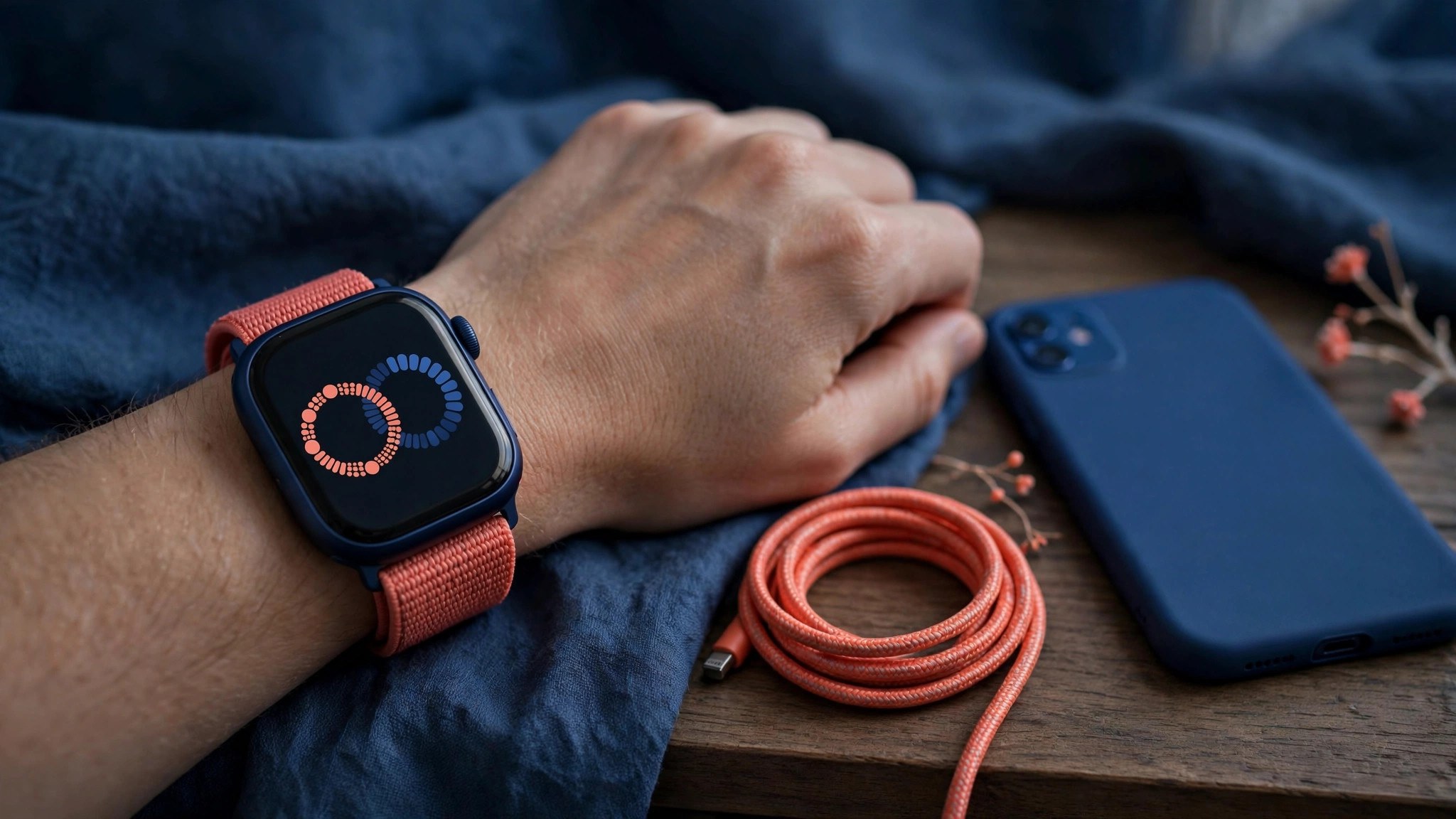
Whether an AI smartwatch is worth buying depends on who you are: if you have a clear health monitoring goal and are willing to wear it every day, it is worth it; if you only want to check the time and notifications and cannot keep a watch on, it is not, and it will most likely end up gathering dust. Its value is not in having the most features, but in being worn long term so it can record your daily state continuously.
What Is Genuinely Useful Is Trends and Alerts
The point of all-day heart rate, sleep, and blood oxygen data is not how impressive a single reading looks, but the trend over many days: whether sleep is getting worse, whether resting heart rate stays high, and whether recovery after exercise is slowing down. Trends are more reliable than single points. Heart rate anomaly alerts and fall detection are real value for older people living alone and for people who often exercise alone, offering an extra warning and a chance to call for help at a critical moment. Workout tracking and a voice assistant you can use by raising your wrist are also practical: while running or cycling, you can check pace, switch songs, and reply to messages without taking out your phone.
If You Will Not Wear It, Nothing Else Works
Health monitoring only works with continuous wear, yet most products measure battery life in days, and it gets even shorter with all-day monitoring and an always-on display, so you need to charge every day or two. Take it off for a shower, charge it before bed, forget it in the morning, and you get a blank stretch of data. For people who are not used to wearing a watch, charging is the biggest deterrent, and once the novelty wears off, giving up is easy. If a watch forces you to adapt to its charging rhythm and that does not fit your habits, no feature, however strong, will get used.
Do the Math on Data, Subscriptions, and Ecosystem
A watch measures consumer-grade reference data, not a medical diagnosis. Alerts can be false alarms and can also be missed. If you truly feel unwell, see a doctor; do not tough it out because the watch looks normal, and do not panic over a single abnormal alert either. Also, many advanced health reports, sleep analyses, and coaching features require a paid subscription to unlock fully, so the watch itself is only the first expense. There is also ecosystem lock-in: a watch works most completely with a phone from the same brand, and if you switch to another brand, some health, payment, or assistant features may be reduced. Before buying, confirm that the features you use often will work on your current phone.
Who Should Buy, and Who Will Leave It in a Drawer
| Who | Verdict | Why |
|---|---|---|
| People with a clear monitoring goal | Worth buying | Want to track sleep and heart rate trends and will keep wearing it |
| People buying for their parents | Worth buying | Fall detection and heart rate alerts bring peace of mind |
| Workout tracking fans | Worth buying | Checking data and recording routes from the wrist is convenient |
| People who only check time and notifications | Not recommended | A phone already does this, and the watch will sit idle |
| People who cannot keep a watch on and always have their phone in hand | Not recommended | Short wear time and annoying charging usually mean it gathers dust |
When choosing, do not just look at the feature list. Ask yourself three questions first: can I keep wearing it every day, can I accept frequent charging, and am I willing to keep paying for advanced features? If all three answers are a clear yes, it is not too late to buy.