AMD, through chief executive Lisa Su speaking to reporters in Taipei on October 6, 2026, said the company has been raising supply through 2026 and will substantially increase chip supply in 2027 to chase AI demand that is still running ahead of production. Reuters reported her remarks the same day. AMD is Nvidia's closest rival in AI graphics processors, and its market value recently topped $1 trillion.
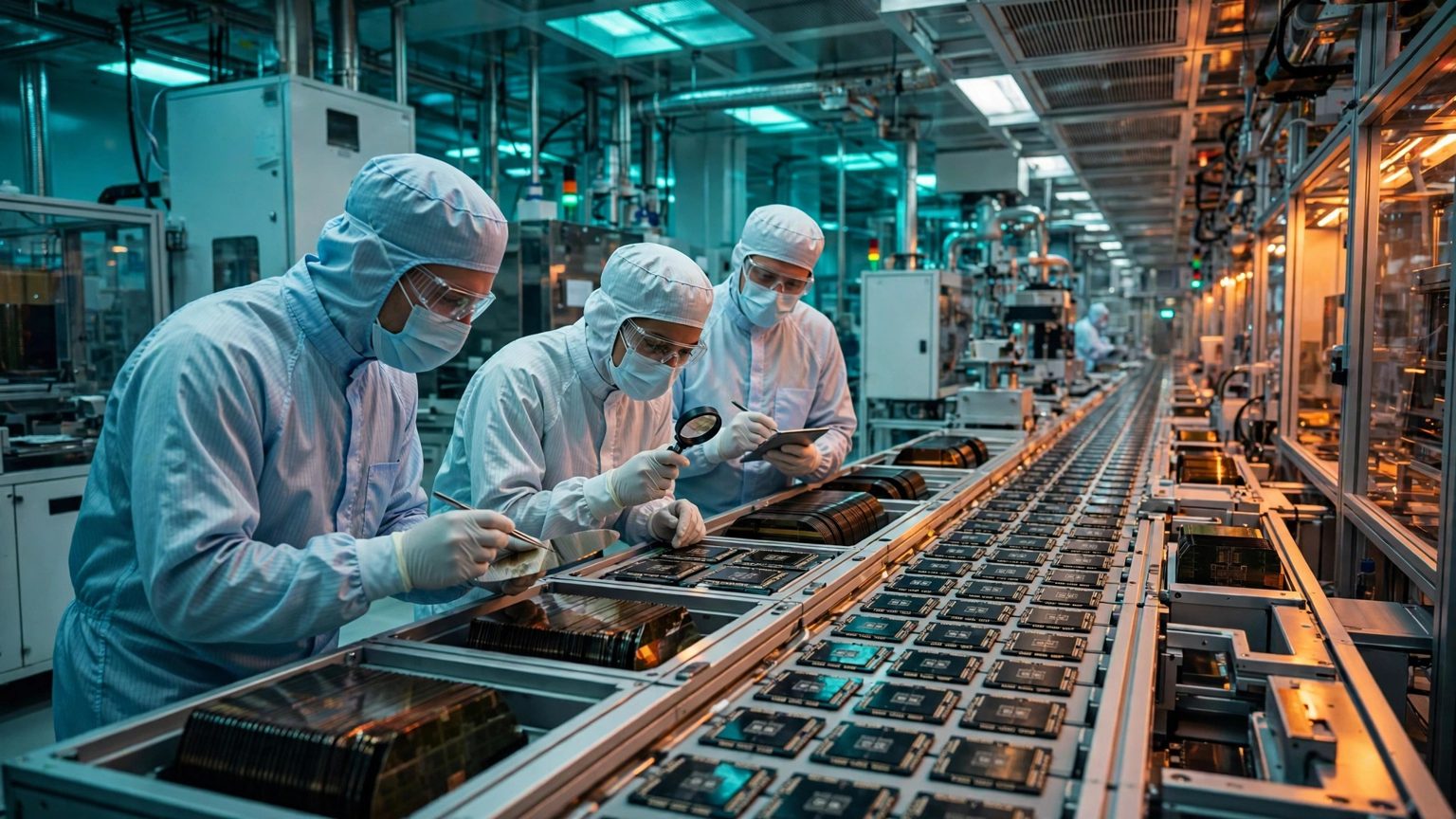
Su was blunt about the purpose of the trip: making sure the supply chain can ramp CPU and GPU production. She has met Foxconn and is due to meet TSMC, and will then travel to South Korea to talk supply with memory chipmakers — home to Samsung Electronics and SK Hynix. Asked about a potential TSMC investment in Texas, she did not answer directly, but said the industry needs more advanced wafer capacity and that AMD is now planning three to five years ahead.
Why demand will not cool: agents turned compute into a continuous burn
The backdrop is not just chatbot growth. A Citi analyst note published the same day, reported by Barron's, argues that agents differ from chatbots in one crucial way: they run continuously. A chatbot idles between messages; an agent keeps executing tasks in the background, multiplying demand for CPUs, GPUs, memory and networking — a dynamic the note expects to grow the CPU market by roughly 60% a year through the end of the decade. Our earlier coverage of Cowork moving its virtual machines to the cloud showed agent workloads already running non-stop in the cloud; translated to the hardware layer, that is exactly the demand Su described as very high for years to come.
Three gates stand in front of the expansion pledge
The first is advanced wafer capacity. AMD owns no fabs, so its ceiling is set by TSMC's allocation, and that same advanced capacity is contested by Nvidia, Apple and others. The second is memory: high-bandwidth memory supply sits with a handful of makers such as SK Hynix and Samsung, and Su's dedicated Korea stop shows this link is no looser than wafers. The third is time: from meetings and contracts to real capacity takes years, so whether the 2027 increase materialises depends on expansion announcements from supply-chain partners over the next few quarters.
For buyers, the signal cuts both ways. A serious capacity push from the second source gives cloud providers and model companies more leverage. But when Nvidia's closest challenger says plainly that supply still cannot catch demand, the tight AI compute market is unlikely to change fundamentally before 2027 — queues, premiums and long-term lock-ins will remain the norm.