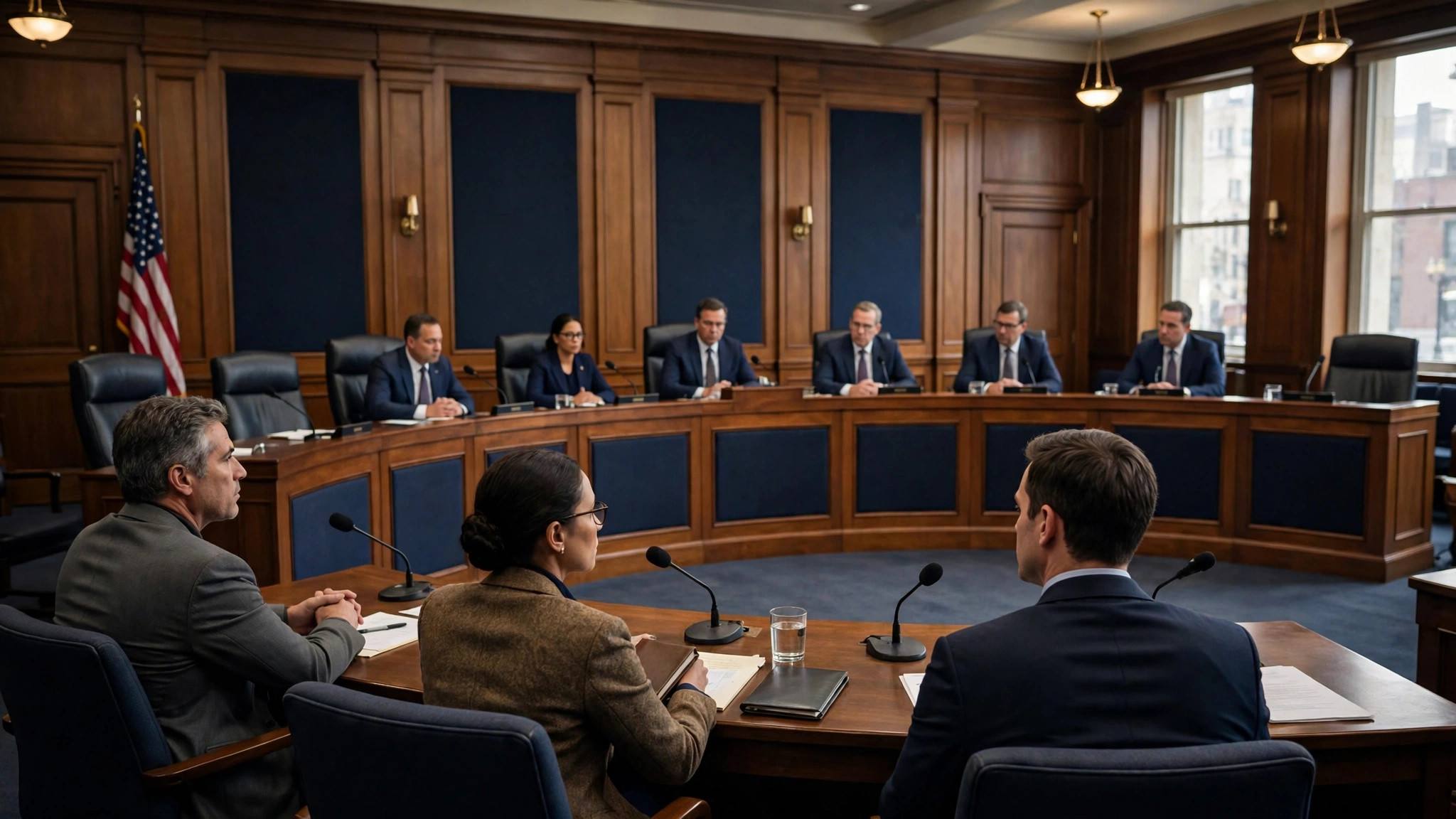

The Google AI Overviews lawsuits have been dismissed: on September 30, 2026, Judge Amit Mehta of the U.S. District Court for the District of Columbia signed a 41-page opinion rejecting all federal antitrust claims brought by education company Chegg and Penske Media against Google, as Reuters reported on October 1. Penske owns titles such as Rolling Stone, Billboard and Variety, and both plaintiffs were really litigating an older question: when a search engine uses publisher content to generate AI summaries and keeps readers on its own page, can publishers demand payment? This round, the court's answer was that antitrust law is not the tool for that demand.
Why the court rejected the publishers' bargain theory
The plaintiffs described an exchange: publishers let Google crawl and index their content, and Google sends search traffic back. After AI Overviews arrived, they alleged, Google used its search dominance to force them to keep supplying content for AI summaries and Gemini for free, while retaining the traffic on the results page and cutting their visits and revenue. On that theory, the arrangement was a reciprocal dealing and tying arrangement protected by antitrust law.
Mehta's opinion dismantled that framing. He wrote that the plaintiffs had pleaded only an expectation that Google would send them traffic, and an expectation is not an agreement: with no negotiated price, quantity or terms, there is no bargain for antitrust law to protect. He also found their proposed publishing markets insufficiently defined, and rejected Penske's claim that ordinary Search and AI Overviews are two separate products tied together, reasoning that users are seeking answers within one integrated search experience. Mehta ruled in 2024 that Google had illegally maintained a search monopoly in the government's case, but he drew a clear line here: holding monopoly power does not make every challenged practice an antitrust violation. In March he had already dismissed similar claims by another publisher.
What this ruling does not decide
The scope matters. Only the federal antitrust claims were dismissed, in cases No. 25-cv-543 and No. 25-cv-3192; the ruling can be appealed, and the Penske dismissal is without prejudice. The judge was not unsympathetic to publishers whose content is taken and repurposed without compensation, but he added that antitrust law is not a substitute for legislators addressing economic harm caused by innovation.
In other words, the court did not hold that AI summaries may freely use publisher content, and it did not hold that publishers deserve no compensation. Copyright, content licensing and state-law unjust enrichment questions sit outside this opinion's conclusions. Contrast the copyright route: in Thomson Reuters v. Ross, an appeals court has just rejected a fair use defense. The same underlying conduct — feeding other people's content into AI — can end very differently under a different legal theory, which is the sharpest lesson of this case: pick the wrong statute and the case ends at the door.
Who is affected, and what to do next
For publishers and content sites, the immediate consequence is that "Google owes us traffic" can no longer be treated as an enforceable right when planning revenue. The levers that remain are different: state clearly, through robots rules and Google's AI crawling controls, which content may be used for AI features, while pricing in the search visibility that blocking may cost; shift negotiating effort toward formal content licences, and keep complete records of crawl scope, traffic changes and revenue impact to support a copyright or state-law claim, an appeal, or legislative advocacy; and watch the licence terms peers are signing, because market prices are now being set by contracts rather than case law.
For platforms building AI search and AI summaries, this is no blanket immunity either. The ruling removes one antitrust theory — reciprocal dealing — while copyright suits, state-law claims and legislation continue. How cleanly a platform handles source attribution, licence records and opt-out mechanisms will still shape its position in the next dispute.
Finally, the scope: this is a U.S. federal ruling on U.S. antitrust law. It binds these parties and similar claims, not other jurisdictions; the EU regulates AI content transparency and platform responsibility under different rules. Content businesses operating elsewhere should not treat this dismissal as a worldwide shield.