Don't judge a smart ring by its "AI" label — judge it by whether you can actually use it as a long-term health recorder. Straight talk first: if you can't sleep with a watch on, if you live inside Samsung's ecosystem, or if you want to track health trends across years, a ring genuinely pays off. If you want a fingertip assistant, a notification hub, or a gadget to show off, it will gather dust after two days.
What it actually does well
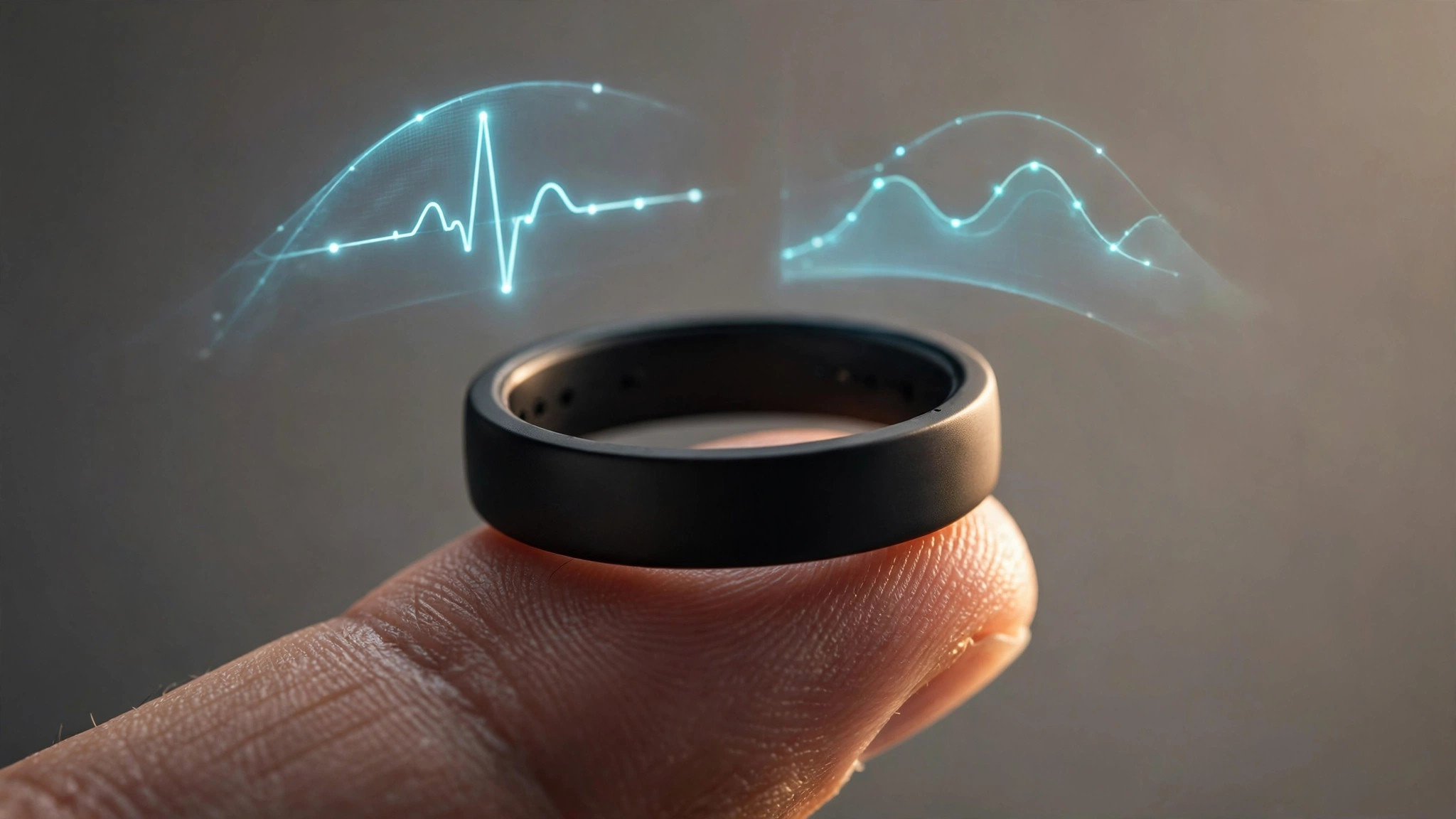
A smart ring's biggest selling point is being forgettable. Many people find smartwatches uncomfortable in bed and simply give up on sleep tracking; a ring is barely noticeable and stays on all night without a fuss. The finger is also a more accurate measurement site than the wrist — heart rate variability, skin temperature, and blood oxygen read stronger at the fingertip, which is why rings excel at sleep staging and morning recovery scores.
Samsung Galaxy Ring: about $399, one payment, no subscription. Ties into Samsung Health with Energy Score, sleep coaching, and snore detection, with about 7 days of battery. The 2.6mm titanium ring weighs just 2.3 to 3.3 grams and comes in sizes 5 to 15 — but it's Android-only, and full features require a Samsung phone.
Oura Ring 4: from $349, plus $5.99 a month (or $69.99 a year) membership after a free first month. You get Sleep, Readiness, and Activity scores built from 50+ metrics, up to 8 days of battery, and Oura Advisor, an AI health coach that talks you through your own data. Works on iOS and Android.
The hurdles to clear before buying
First hurdle: ecosystem. The Galaxy Ring only pairs with Android, loses features on non-Samsung phones, and iPhone users can't use it properly at all. Second hurdle: the subscription. Without Oura membership, the app keeps only three bare scores — detailed analysis, long-term trends, and the Advisor all sit behind the paywall. Over three years, Oura costs about $560, Samsung $399, and the subscription-free RingConn Gen 2 just $299.
Third hurdle: sizing. Smart rings use their own sizing system, and both makers ship a sizing kit first — buy the wrong size and you own an expensive titanium band you can't wear. Fourth hurdle: you. A ring's value only accumulates after months of continuous wear; take it off after two weeks and the money is wasted.
Three types of people who genuinely benefit
People who can't sleep with a watch on: if a wristband made you quit sleep tracking, a ring finally gives you complete overnight data — that's the whole reason it exists.
Samsung users: if you already use Samsung Health, the Galaxy Ring merges into your existing health profile with no subscription — Energy Score, sleep, and activity in one place.
People who want multi-year health trends: Oura has the most mature sleep models and the best independently validated sleep staging; if you can afford the membership and will actually wear it daily, nothing else analyzes as deeply.
Two types of people for whom it's pure waste
Anyone expecting a fingertip AI assistant: the "AI" in a ring is health-data interpretation — a conversational partner that explains why you slept badly. It doesn't write emails or control your home; buy it for that and you'll be disappointed.
Anyone who wants to interact with it: a ring has no screen, no vibration, no clock, no notifications — double-pinch for a camera shutter or dismissing an alarm is the ceiling. If you treat your watch as a wrist remote, the ring will feel dumb.
iPhone users should take the Galaxy Ring off their shortlist entirely. A smart ring is no scam — it just has an extremely clear target audience. If you're in it, it's one of the most comfortable health trackers ever made; if you're not, it's this year's most expensive drawer decoration.