
Latest AI News: The World Artificial Intelligence Conference opens, with 29 countries preparing to establish AI cooperation organizations
24-hour AI News Snapshot: Kimi K3 resets the scale of open-source models, intensifying global AI gov
Orā is an AI mentality growth and self-practice application that is mainly used to provide daily exercises, meditation and affirmations around topics such as growth thinking, adaptability, critical thinking, self-confidence, emotional intelligence, gratitude, mindfulness, resilience, etc. It is suitable for people who want to establish personal growth habits, improve their mentality, do mindfulness exercises, or seek light emotional support. Common uses include five-minute mindfulness exercises in the morning, mindfulness and emotional review during stressful periods, and build habits around confidence, resilience or purpose. Use it carefully that it is not a medical or psychotherapeutic tool and cannot handle crisis intervention, diagnosis or drug advice. A professional should be contacted for serious emotional problems. The page is mainly for Beta waiting and early access. The available regions, data privacy and subscription terms should be confirmed before use. It is recommended to use one or two low-risk tasks to test input materials, output quality, manual modification amount and final adoption ratio before deciding whether to put them into a fixed process.
Orā is suitable for dealing with well-targeted tasks such as five-minute mentality exercises in the morning, mindfulness and emotional review during stressful periods, and building habits around confidence, resilience, or sense of purpose. Its core value is not to make the final judgment for users, but to turn steps that are originally scattered, repeated, or require a lot of preliminary sorting into results that are easier to check, allowing teams to see the actionable direction faster.
These capabilities make Orā more suitable for use in auxiliary links of existing processes. Users can prepare clear goals, sample data and acceptance criteria first, and then observe what manual sorting, searching, generation, or screening work it can reduce in real tasks.
In actual use, it is safer to start with a small task: first limit the input range, then check whether the output meets expectations, and finally record what content can be directly used and what needs to be modified manually. For people who want to establish personal growth habits, improve their mentality, do mindfulness practices, or seek light emotional support, this approach is easier to judge tool boundaries than connecting to the full process at once.
Orā is better for people who want to establish personal growth habits, improve their mentality, practice mindfulness, or seek light emotional support. Such users often already know what problems they are trying to solve and can determine whether the results are in line with business, learning, creative or operational goals. Individual users can start with a single task, while team users should agree on permissions, review responsibilities and cost caps in advance.
It is not a medical or psychotherapy tool and cannot handle crisis intervention, diagnosis or drug advice. A professional should be contacted for serious emotional problems. If the input content involves customer data, real photos, voices, business materials, homework, legal documents, medical financial information or internal data, the authorization, privacy and scope of use should also be confirmed first to avoid directly uploading content that is not suitable for external processing.
The page is mainly for Beta waiting and early access. The available regions, data privacy and subscription terms should be confirmed before use. It is recommended to continuously test three to five real samples and record the input conditions, output results, manual modification points and whether they are finally adopted. If the results are stable and the cost of modification is controllable, it is suitable for gradually incorporating them into the fixed process; if the goal is frequently deviated, it is more suitable for use as inspiration, first draft or auxiliary inspection material.
What is Orā mainly suitable for?
It is mainly suitable for providing daily exercises, meditation and affirmations around topics such as growth thinking, adaptability, critical thinking, self-confidence, emotional intelligence, gratitude, mindfulness, resilience, etc., and is especially suitable for doing five-minute mentality exercises in the morning and performing tasks such as mindfulness and emotional review during stress stages, and building habits around self-confidence, resilience or sense of purpose.
Can Orā directly replace manual labor to complete final delivery?
Not recommended. It can undertake the generation, organization, identification, analysis or recommendation stages, but fact verification, compliance judgment, professional conclusions and final trade-offs still need to be completed by people.
What should I prepare before using Orā?
It is recommended to prepare clear input materials, expected results and acceptance criteria. When the team uses it, it is also necessary to agree on who is responsible for review, what content cannot be input, and what standards the output meets before it can continue to be used.

NEUROFIT App is a nervous system regulation and physical and mental exercise application. It is mainly used to help users do daily nervous system regulation through physical exercises and stress recording. It is suitable for individual users who are concerned about stress management, physical and mental coaches, and health habit users. It can provide vagus nerve reset and physical exercises, help record stress states and adjustment processes, and can also support daily use of iOS and Android. Pay attention when using it that it is suitable for daily health management and should not replace medical diagnosis, psychotherapy or crisis intervention; if you have serious symptoms, contact a professional. It is suitable to use one or two low-risk tasks to test the input materials, output quality, manual modification amount and final adoption ratio, and then decide whether to put them into a fixed process.
MyVeloFit is an online AI bicycle fitting and sizing tool, mainly used to help riders find a more suitable frame size and riding posture through online processes. It is suitable for road bike riders, railway users, bicycle shops and people who want to divert bicycles remotely. It can provide online bicycle fitting and sizing suggestions, help analyze the relationship between body, vehicle and riding posture, and is also suitable for improving riding comfort. and preliminary car selection judgment. Pay attention when using it that online evaluation is affected by photos, videos and measurement accuracy; it is still recommended to cooperate with offline professional technicians for severe pain, injury or competitive level adjustments. It is suitable to use one or two low-risk tasks to test input materials, output quality, modification costs and final adoption ratio before deciding whether to put them into a fixed process.

TrAIn is an AI personalized exercise training plan tool that is mainly used to generate tailored fitness training plans based on user goals. It is suitable for fitness beginners, regular trainers, personal coaches and people who need planning reference. It can generate personalized training plans, help users reduce the situation of not knowing what to practice in the gym, and can also be suitable for arranging training content around goals. When using it, be aware that the training plan cannot replace medical advice or face-to-face exercise evaluation; when there is a need for injuries, pregnancy, chronic diseases or high-intensity training, a professional should be consulted first. It is suitable to use one or two low-risk tasks to test input materials, output quality, modification costs and final adoption ratio before deciding whether to put them into a fixed process.

Mynd is an AI personal mental health companion tool, mainly used to provide AI reflection and emotional support around personal mental health. It is suitable for individual users who are concerned about mental health, diary users and people who need daily self-awareness. It can design for personal mental health scenarios, support daily emotional reflection and self-awareness, and help users organize their thoughts into a clearer record. Be careful when using it, it is suitable for daily self-help and companionship, but not for crisis intervention, diagnosis or treatment; if you encounter serious emotional risks, you should contact a professional or local emergency support. It is suitable to use one or two low-risk tasks to test input materials, output quality, modification costs and final adoption ratio before deciding whether to put them into a fixed process.

MyCoach Ai is an AI business management tool for fitness instructors. It is mainly used to help fitness instructors reduce administrative work and manage customer training businesses. It is suitable for personal coaches, online fitness coaches, private teaching studios and fitness course teams. It can assist in handling repetitive administrative tasks in the coaching business, help organize customer training plans and communication processes, and allow coaches to spend more time on services and course design. Be aware when using it that it cannot replace sports medicine advice or personalized risk assessments; professional judgment is required when it comes to injuries, rehabilitation and high-intensity training. It is suitable to use one or two low-risk tasks to test input materials, output quality, modification costs and final adoption ratio before deciding whether to put them into a fixed process.

mpilo is an AI medical record collation tool, which is mainly used to transcribe, analyze and organize doctor-patient communication into patient notes. It is suitable for doctors, clinics, nursing teams, and medical service personnel who need to reduce the clerical burden. It can convert dictation or interview content into manageable clinical records, generate structured notes and summaries around patient information, and emphasize safety and compliance for medical scenarios. Regulatory recording process. Be aware when using it that it cannot replace doctor diagnosis, medical record review or medical responsibility judgment; before entering real patient data, you need to confirm the privacy, authorization and data processing requirements of the area where you are located. It is suitable to use one or two low-risk tasks to test input materials, output quality, modification costs and final adoption ratio before deciding whether to put them into a fixed process.

24-hour AI News Snapshot: Kimi K3 resets the scale of open-source models, intensifying global AI gov
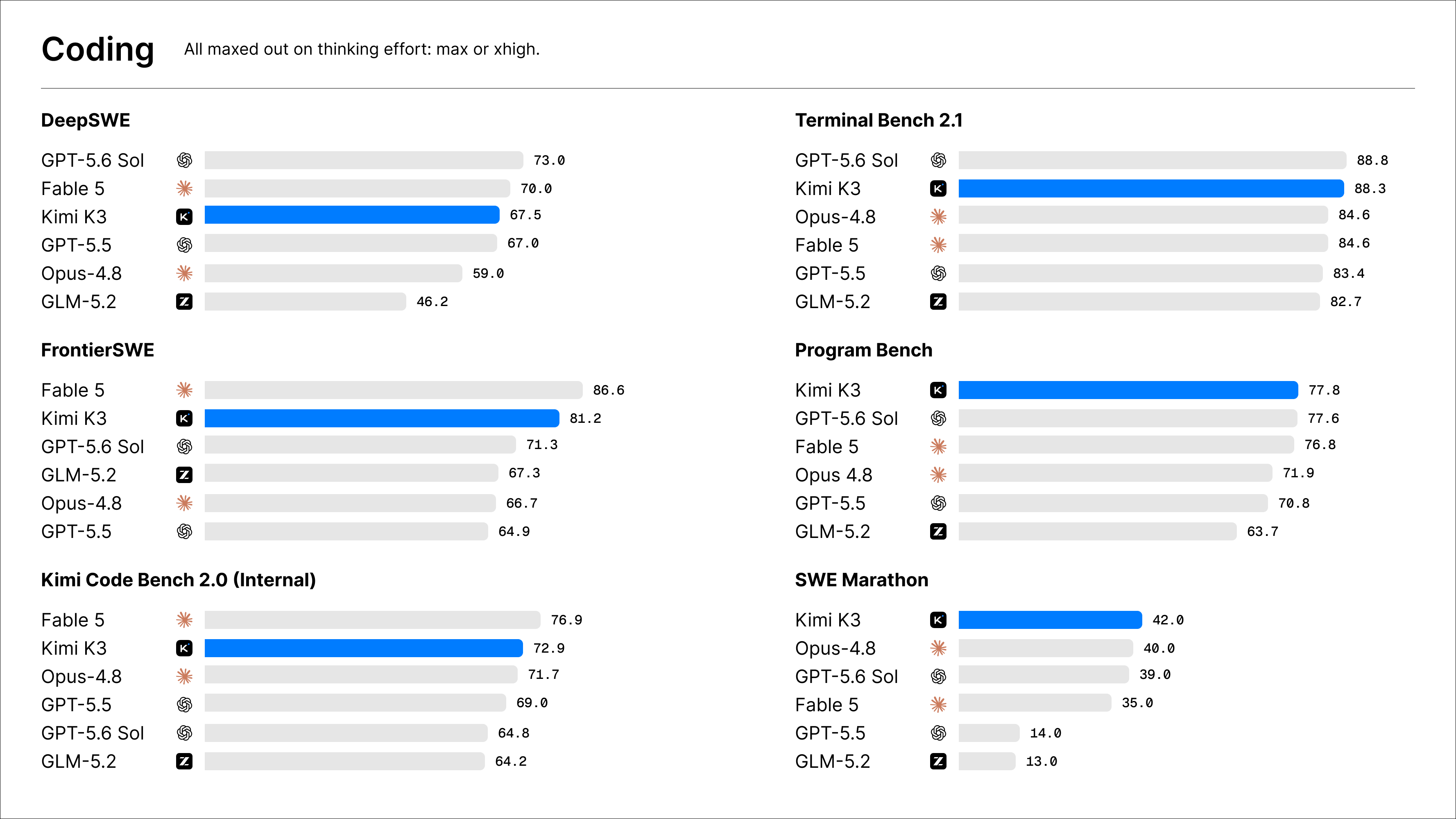
Moonshot AI officially launched the Kimi K3 . This 2.8-trillion-parameter model provides 1 million t
24-hour AI News Summary: Global AI competition continues to heat up, with chips, models, security re

On July 9, 2026, Mistral announced in its official article "Your Prompts and Skills Need a System of
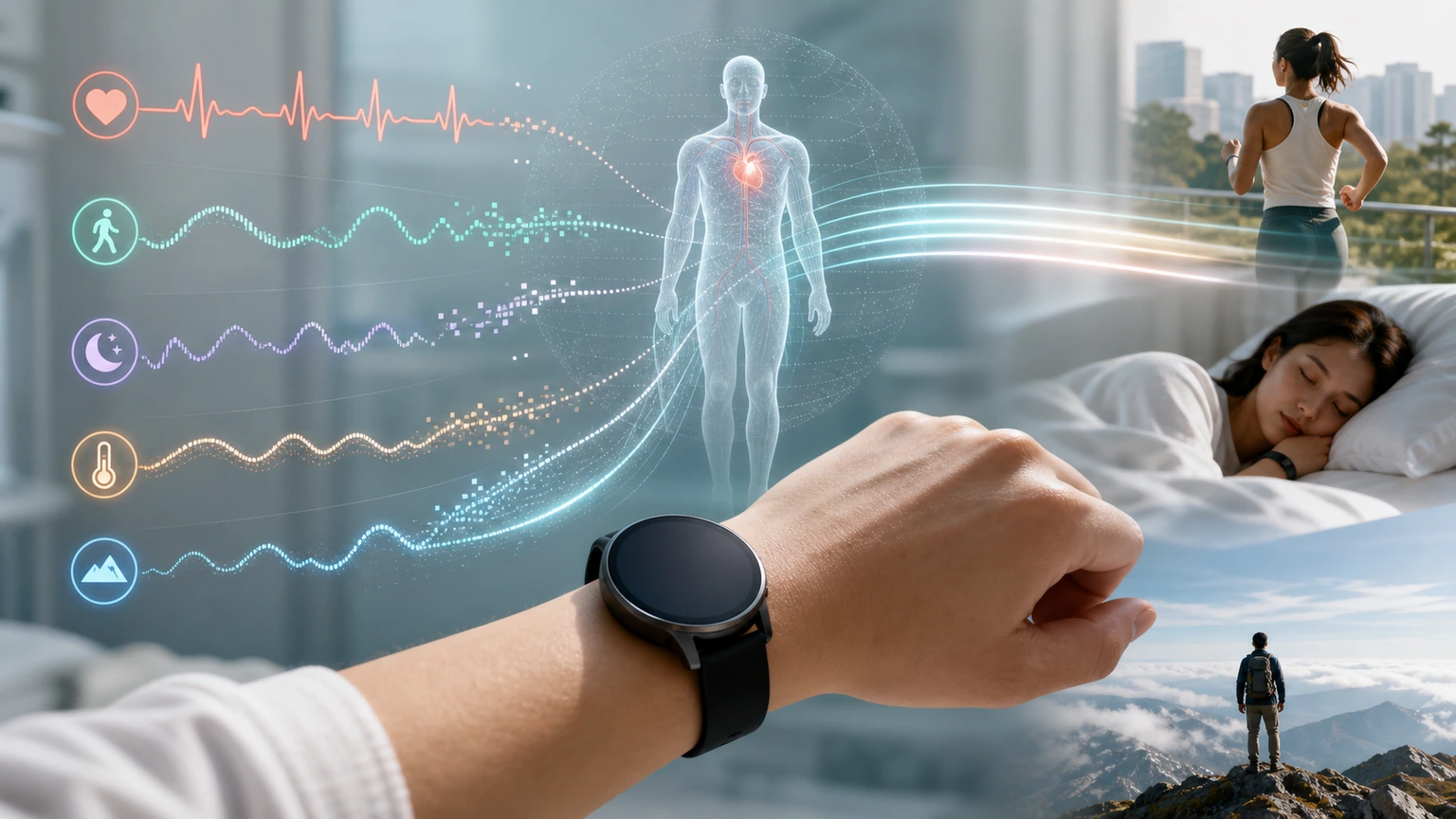
On July 9, 2026, Google Research released the wearable health foundational model SensorFM. It was pr

On July 9, 2026, OpenAI officially announced ChatGPT Work in its announcement "ChatGPT is now a part