
Latest AI News: The World Artificial Intelligence Conference opens, with 29 countries preparing to establish AI cooperation organizations
24-hour AI News Snapshot: Kimi K3 resets the scale of open-source models, intensifying global AI gov
Kumo is a business deal discovery platform that aggregates a large number of business sales information from marketplaces, brokers, and proprietary sources, and provides AI-powered listings and data capabilities to help users discover potential trading opportunities faster. It is suitable for M&A practitioners, search funds, investors, business brokers, and those who need to keep track of business transactions. The platform offers a 7-day free trial and high-end paid plans. When using it, verify the source of the transaction, financial data, seller qualifications, confidentiality requirements and due diligence responsibilities. Before use, it is recommended to conduct a small-scale test with real materials, focusing on observing the output quality, review cost, payment boundaries, data permissions, and whether the team can establish a stable manual review process. Before handling formal business, it should also be judged by team processes, material authorization, and manual review criteria to avoid using automated results directly for external release or key decisions.
Kumo is designed for deal sourcing scenarios, centralizing commercial sales information scattered across different markets and brokerage channels, making it easier for investors to screen potential opportunities.
Suitable for M&A advisors, search funds, investors, business brokers, and corporate acquisition teams. The average personal finance user is not suitable for using it as an investment advice tool.
The list of deals is just a preliminary clue. Financial quality, seller authenticity, legal risks, and industry prospects all require professional due diligence.
When evaluating Kumo, you can first set the target industry, region, and deal size, and watch the list accuracy, update speed, and whether the data fields are sufficient for initial screening.
In a team or public release scenario, acceptance criteria should also be agreed upon in advance, such as which results can go directly to the next step, which must be reviewed by the person in charge, which assets cannot be uploaded, and how long the generated records need to be retained. This check helps teams put AI tools into traceable processes, reducing rework due to inconsistent result provenance, authorization, or quality judgments.
If the tool handles customer data, personal information, commercial materials, financial data, medical-legal content, or personas, privacy, copyright, portrait licensing, and platform rules need to be included in the pre-use checklist. When publishing to the public, it is recommended to keep manual modification records and final confirmers to avoid mistaking experimental outputs for reviewed content.
It is safer to start by creating a small sample list that records the input material, generated results, manual modifications, final adopted versions, and reasons for non-adoption. After several rounds of comparison, the team can more clearly determine which tasks are suitable for tooling and which still need to be professional-led, and it is easier to track quality issues from inputs, model outputs, or review processes.
What investment scenarios is Kumo suitable for? **
Ideal for finding and screening leads for business acquisitions or business transactions.
Can AI lists replace due diligence? **
No, due diligence still requires financial, legal, and industry professionals.
What should I pay attention to before use? **
Focus on data sources, update frequency, confidentiality requirements, and transaction authenticity.

ToolSpend is an AI workflow tool for teams that need to create, organize, convert, or review task-specific material before final use. It should be used with clear source material, a defined output goal, and human review for accuracy, rights, privacy, and publishing quality.

TickerTrends is an AI tool for users who need a clearer way to handle focused digital work. It can support creation, automation, analysis, learning, media production, development, research, customer operations, or document workflows depending on the product scope. Start with a small low-risk task, compare the result with your own standards, and keep human review for facts, permissions, privacy, brand voice, safety, and final delivery.

TheAnalystAI is an AI tool for users who need a clearer way to handle focused digital work. It can support creation, automation, analysis, learning, media production, development, research, customer operations, or document workflows depending on the product scope. Start with a small low-risk task, compare the result with your own standards, and keep human review for facts, permissions, privacy, brand voice, safety, and final delivery.

Tendi is an AI tool for users who need a clearer way to handle focused digital work. It can support creation, automation, analysis, learning, media production, development, research, customer operations, or document workflows depending on the product scope. Start with a small low-risk task, compare the result with your own standards, and keep human review for facts, permissions, privacy, brand voice, safety, and final delivery.

Tabby is a practical AI tool for teams and individual users who need a clearer way to handle focused digital tasks. It can support content work, document handling, automation, learning, communication, media production, research, or customer workflows depending on the product scope. Users should start with a small low-risk task, compare the output with their own standards, and keep human review for facts, permissions, privacy, brand voice, and final delivery.

Syft Analytics helps users turn clear source material into editable results for content, media, data, learning, or operational workflows. It is best used when the goal, input, output format, and review standard are clear. Users should test it with a low-risk task first and keep human review for customer data, student work, financial information, portraits, production code, or public content.

24-hour AI News Snapshot: Kimi K3 resets the scale of open-source models, intensifying global AI gov
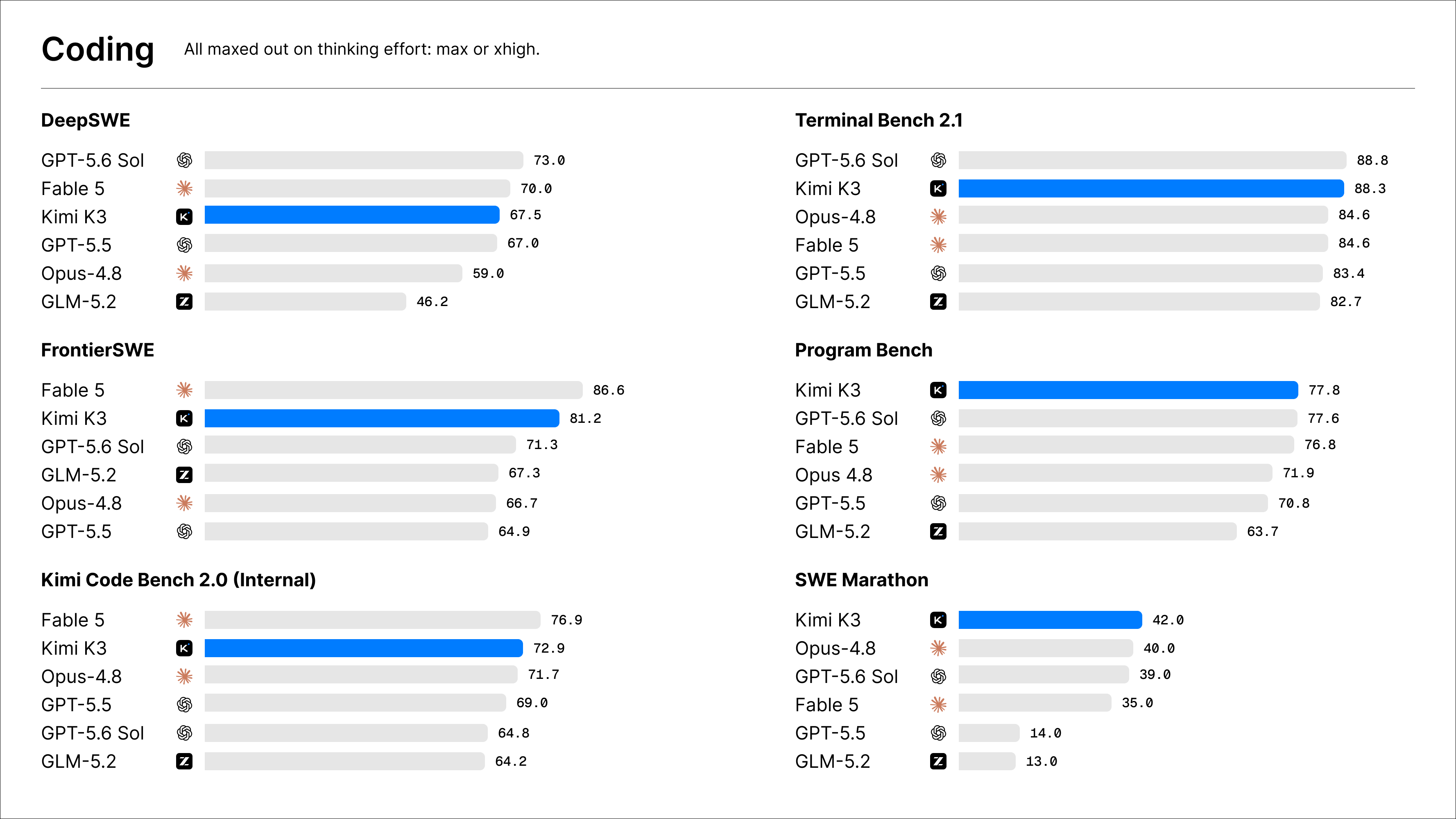
Moonshot AI officially launched the Kimi K3 . This 2.8-trillion-parameter model provides 1 million t
24-hour AI News Summary: Global AI competition continues to heat up, with chips, models, security re

On July 9, 2026, Mistral announced in its official article "Your Prompts and Skills Need a System of

On July 9, 2026, Google Research released the wearable health foundational model SensorFM. It was pr

On July 9, 2026, OpenAI officially announced ChatGPT Work in its announcement "ChatGPT is now a part