
Latest AI News: The World Artificial Intelligence Conference opens, with 29 countries preparing to establish AI cooperation organizations
24-hour AI News Snapshot: Kimi K3 resets the scale of open-source models, intensifying global AI gov
Kolabrya is an AI-powered platform for medical, legal, and investigative scenarios that analyzes, organizes, and structures complex case information, helping users distill key leads from interviews, reports, and materials. It is suitable for lawyers, investigators, medical-related case teams, and professional users who need to organize a large amount of evidentiary material. The platform offers daily free tips and paid plans. Sensitive data, customer privacy, chain of evidence, professional liability, and manual review should be strictly controlled when used, and AI analysis should not be directly regarded as legal or medical conclusions. Before use, it is recommended to conduct a small-scale test with real materials, focusing on observing the output quality, review cost, payment boundaries, data permissions, and whether the team can establish a stable manual review process.
Kolabrya caters to complex cases and professional materials, focusing on organizing interviews, reports, and multi-source information into a structure that is easier to analyze.
Ideal for lawyers, investigators, compliance teams, medical-legal case teams, and professional users who need to deal with complex data. Ordinary document summaries can also be used, but its value is more professional scenarios.
Legal, medical and investigative data is highly sensitive. AI can only assist in sorting and cannot replace professional judgment, evidence review, or practice responsibility.
When evaluating Kolabrya, you can test the quality of abstracts, classifications, and lead extraction with desensitized materials before determining whether it meets your team's confidentiality and evidence management requirements.
Before official use, it is recommended to do a small-scale test with a set of real materials, recording inputs, outputs, manual modifications, and final adoption results. This allows you to see its actual performance in terms of quality, cost, speed and review cost, and also facilitates the team to form a consistent usage standard in the future.
In a team or public release scenario, acceptance criteria should also be agreed upon in advance, such as which results can go directly to the next step, which must be reviewed by the person in charge, which assets cannot be uploaded, and how long the generated records need to be retained. This inspection process helps teams put AI tools into traceable processes, reducing rework due to inconsistent result provenance, authorization, or quality judgments.
If the tool handles customer data, personal information, commercial materials, financial data, medical-legal content, or personas, privacy, copyright, portrait licensing, and platform rules need to be included in the pre-use checklist. When publishing to the public, it is recommended to keep manual modification records and final confirmers to avoid mistaking experimental outputs for reviewed content.
Is Kolabrya suitable for general meeting summaries? **
Can handle written material, but it is better suited for complex cases, interviews, and report analysis.
Can AI analysis be used as a legal conclusion? **
No, I can't. Legal and medical conclusions must be the responsibility of qualified professionals.
What do I do before uploading materials? **
Desensitize, confirm authorization, and clarify who has access to the generated results.
PatentPal is an AI patent document auxiliary generation tool, which is mainly used to generate patent application materials such as specifications, drawings, abstracts, summaries, flowcharts and system block diagrams according to claims. It is suitable for patent lawyers, patent agents, innovation teams and R & D personnel who need to prepare draft applications. Common uses include preparing mechanical text drafts for patent applications, generating accompanying descriptions based on rights claims, and reducing duplication of patent writing work. Pay attention to the use that patent applications require professional judgment and legal review. AI-generated content cannot replace patent lawyers 'judgments on novelty, scope of rights, and jurisdictional rules. The page provides a free trial entry, suitable for testing with non-sensitive samples. It is recommended to use one or two low-risk tasks to test input materials, output quality, manual modification amount and final adoption ratio before deciding whether to put them into a fixed process.

Paralex AI is an AI legal support platform mainly used to provide legal answers for lawyer verification, contract review and consulting services, lowering the legal support threshold for small businesses with fixed prices and faster turnover. It is suitable for small business owners, entrepreneurs, operations leaders and teams that need basic legal assistance. Common uses include quickly understanding contract risk points, obtaining initial legal support for small business issues, and sorting out questions and materials before formally hiring a law firm. When using it, note that legal issues are highly dependent on the region and factual background. Complex disputes, litigation, and regulatory matters should still be handled by qualified lawyers. The page displays the first answer starting at about US$35, and contracts and consultations are billed per service. It is recommended to use one or two low-risk tasks to test input materials, output quality, manual modification amount and final adoption ratio before deciding whether to put them into a fixed process.

My-Legacy.ai is an AI life and heritage planning platform, which is mainly used to organize life affairs, inheritance arrangements and important information to assist in long-term planning. It is suitable for home users, estate planning consultants, financial advisers and people who need to organize their affairs after death. It can centrally manage life and inheritance planning information, assist in organizing important documents, contacts and arrangements, and help users transform decentralized affairs into sustainable maintenance plans. Be aware when using it that it cannot replace lawyers, tax collectors or notarization processes; local laws and professional advice must be combined when it comes to wills, inheritance, assets and medical decisions. It is suitable to use one or two low-risk tasks to test input materials, output quality, modification costs and final adoption ratio before deciding whether to put them into a fixed process.

LegesAI is a legal compliance AI workflow tool for regulated industries, organizing legal searches, corporate rules, and compliance judgments into traceable AI workflows for organizations that require robust decision-making. It is suitable for corporate legal and compliance teams, risk control departments, and managers who need to implement institutional rules into daily judgments. Before use, it is recommended to conduct small-scale testing with real materials or real processes, focusing on observing output quality, review costs, payment boundaries, data permissions, and whether the team can establish a stable manual review process. Before handling formal business, it should also be judged based on material authorization, privacy requirements, and manual review standards, and avoid using automatic results directly for external release or key decisions. If it is used for teams, customers, or teaching scenarios, it is also necessary to clarify the input source, result review responsibility, and scope of external use, and avoid putting the trial results directly into the formal process.

LegalGraph AI is an AI contract risk analysis software for the contract review process to help identify risks, extract key clauses, and reduce the cost of manual segment-by-segment screening, making it suitable for legal teams to standardize repetitive checks. It is suitable for corporate legal affairs, contract management teams, paralegals, and business units that frequently deal with commercial agreements. Before use, it is recommended to conduct small-scale testing with real materials or real processes, focusing on observing output quality, review costs, payment boundaries, data permissions, and whether the team can establish a stable manual review process. Before handling formal business, it should also be judged based on material authorization, privacy requirements, and manual review standards, and avoid using automatic results directly for external release or key decisions. If it is used for teams, customers, or teaching scenarios, it is also necessary to clarify the input source, result review responsibility, and scope of external use, and avoid putting the trial results directly into the formal process.

Legalese Decoder is an AI legal text interpreter that converts contracts, agreements, and legal jargon into plain language that is easier to understand, suitable for users to clarify the meaning of clauses before signing or discussing documents. It is suitable for individual users, small business owners, operations personnel, and non-professional readers who need to understand legal texts quickly. Before use, it is recommended to conduct small-scale testing with real materials or real processes, focusing on observing output quality, review costs, payment boundaries, data permissions, and whether the team can establish a stable manual review process. Before handling formal business, it should also be judged based on material authorization, privacy requirements, and manual review standards, and avoid using automatic results directly for external release or key decisions. If it is used for teams, customers, or teaching scenarios, it is also necessary to clarify the input source, result review responsibility, and scope of external use, and avoid putting the trial results directly into the formal process.

24-hour AI News Snapshot: Kimi K3 resets the scale of open-source models, intensifying global AI gov
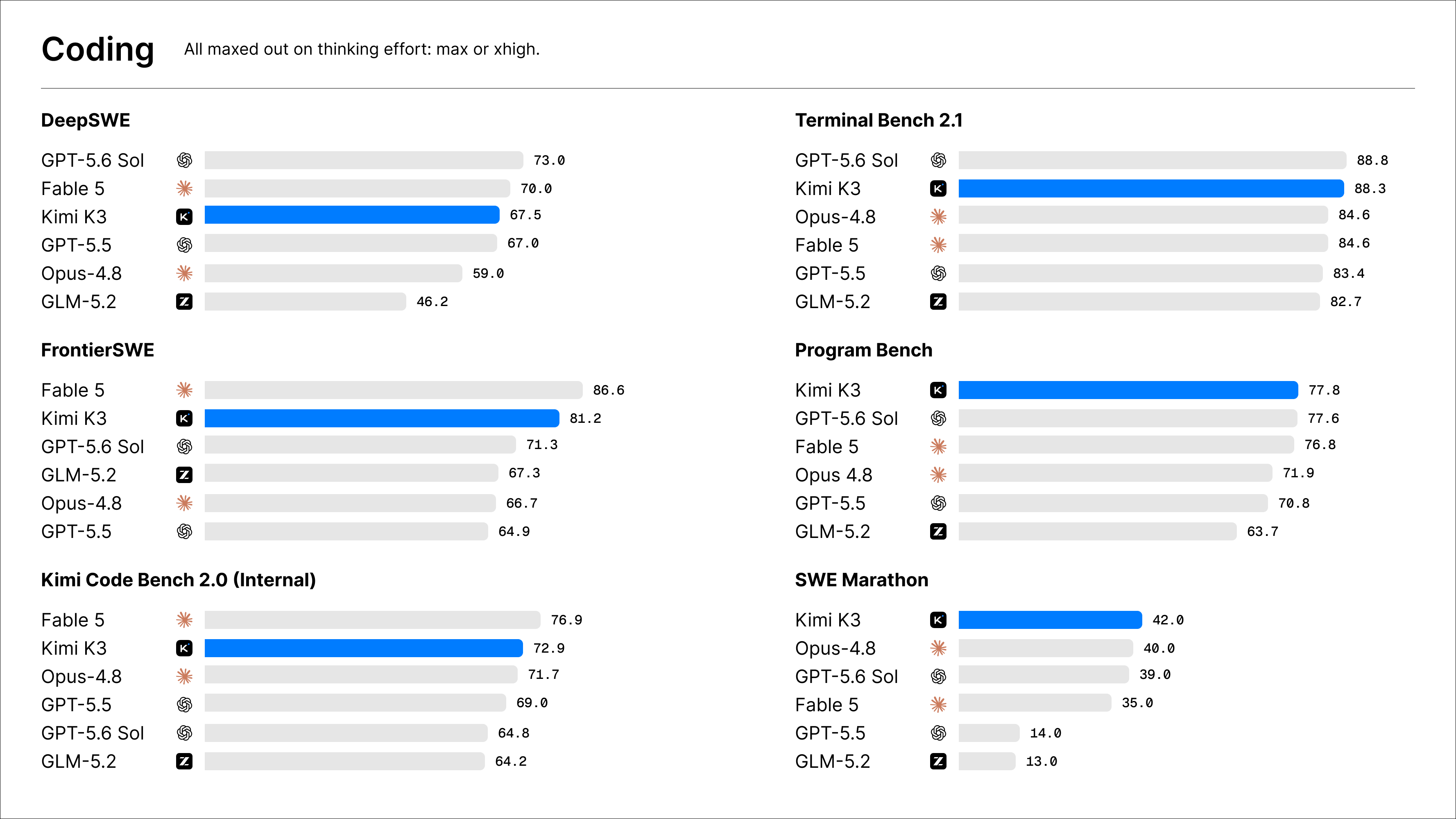
Moonshot AI officially launched the Kimi K3 . This 2.8-trillion-parameter model provides 1 million t
24-hour AI News Summary: Global AI competition continues to heat up, with chips, models, security re

On July 9, 2026, Mistral announced in its official article "Your Prompts and Skills Need a System of

On July 9, 2026, Google Research released the wearable health foundational model SensorFM. It was pr

On July 9, 2026, OpenAI officially announced ChatGPT Work in its announcement "ChatGPT is now a part