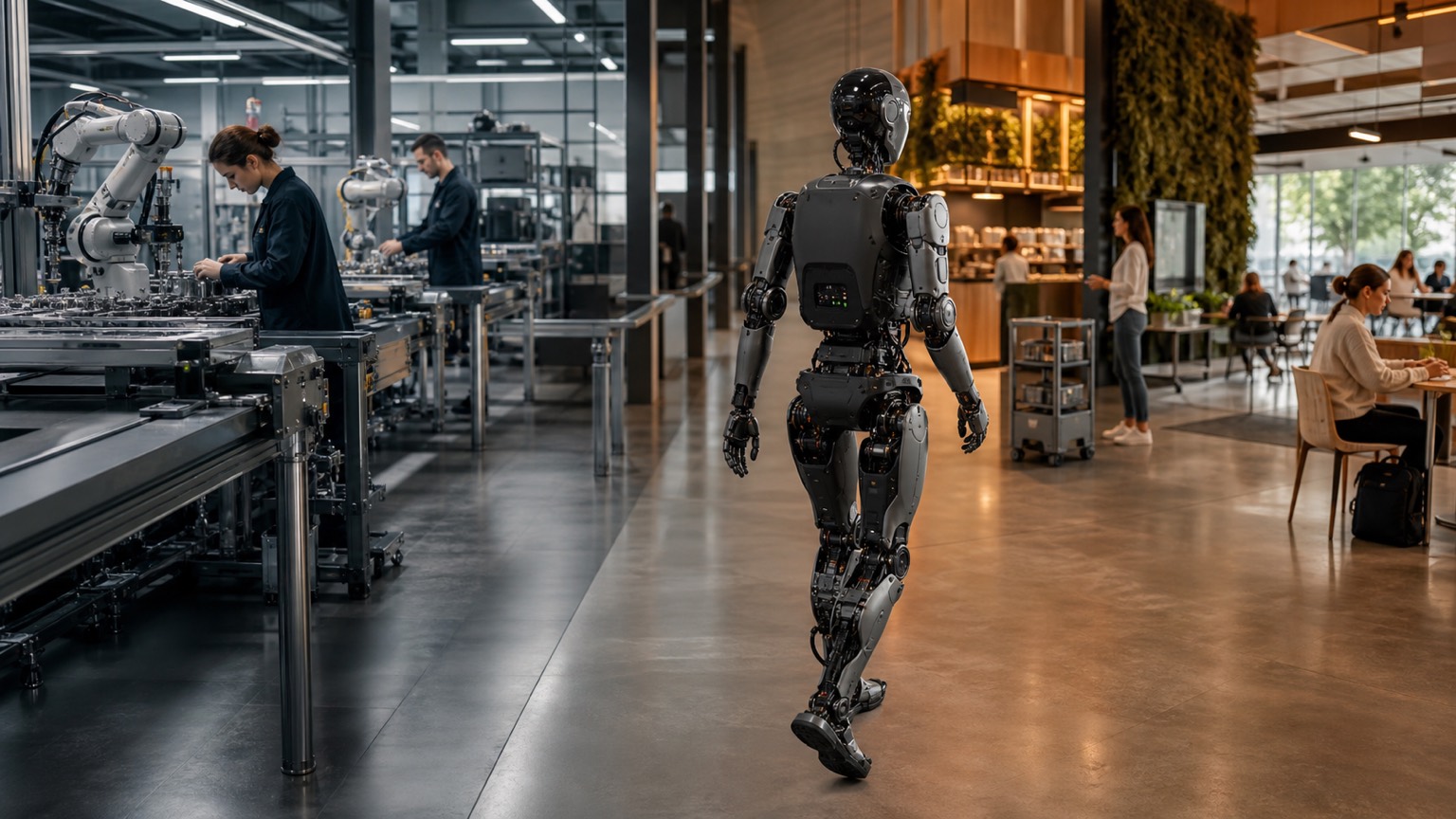
On August 25, 2026, XPeng officially announced that its robotics business had completed over $900 million in financing, with a post-investment valuation exceeding $6.3 billion. The company stated that this is one of the largest single private placements in China's embodied intelligence sector, with funds to be used for mass production of humanoid robots and iteration of Physical AI models. The lead investor is IDG Capital, with participation from Gaorong Capital, and strategic support from Tencent and Alibaba.
Large financing itself is not a proof of delivery, but it pushes competition from prototype demonstrations to whether supply chains, data, and business scenarios can all run simultaneously.
This money was not used to buy a display robot
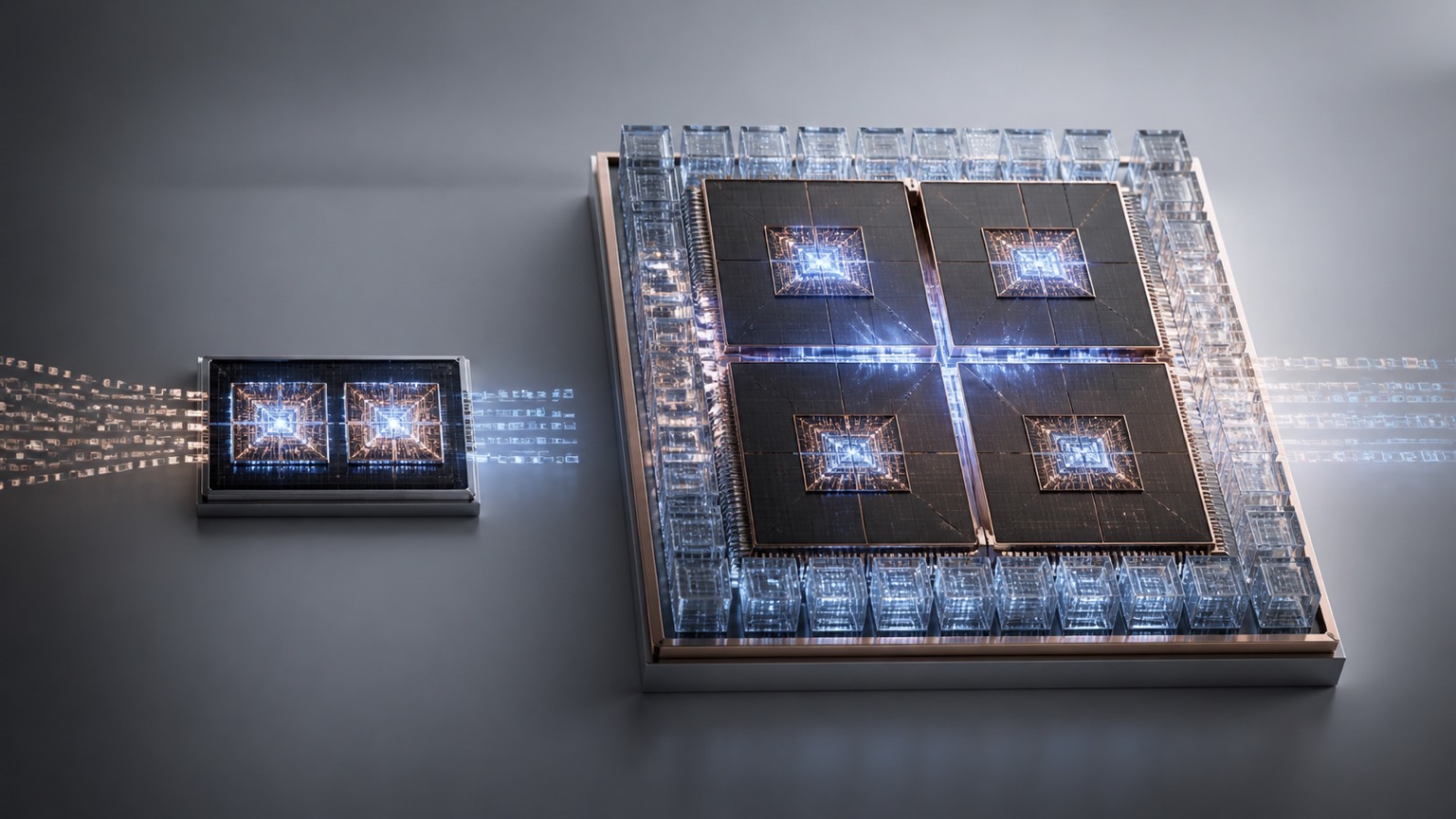
XPeng's disclosed IRON humanoid robot has 76 degrees of freedom, 21 degrees of freedom per hand, equipped with 3 self-developed Turing AI chips, and has a peak computing power of up to 2250 TOPS. The company emphasizes that the robot runs its on-device Physical AI foundational model, capable of local perception, decision-making, and action control.
These parameters indicate that XPeng is working on integrated hardware and software, but cannot independently prove that the robot has stable general-purpose capabilities. Degrees of freedom determine the range of motion and TOPS, while TOPS reflects computational limits. Task success rate also depends on sensors, motion data, model generalization, hand reliability, and anomaly recovery.
XPeng is betting on a full-stack strategy
The company integrates hardware, on-device models, data collection, and application deployment into the same iteration chain: robots first perform tasks in controlled environments like stores and campuses, collect failure samples, and then improve models and execution mechanisms. This creates a closed loop from real actions to training data, meaning security responsibilities and after-sales costs are borne by the robot.
XPeng plans to achieve mass production by the end of 2026, initially deploying in stores and parks, and delivering to China and overseas markets in 2027. It is necessary to distinguish between "company plans" and "already happened": mass production yield, continuous operation time, labor takeover ratio, task unit price, and customer renewals to determine whether financing can turn into revenue.
Why this round of financing is worth watching
This deal prompts the market to re-examine the fundamental concepts of Physical AI. The value of robotic models is no longer limited to conversational or image benchmarks, but to perform crawling, moving, collaborating, and correcting errors in uncertain physical environments.
Next, it should track whether XPeng can publicly disclose verifiable deployment data: task success rate, failure intervals, data return methods, privacy boundaries, and O&M costs. Financing has pressed the start button on the mass production countdown, and the real test has just moved from the lab to the field.