Ming-Image-0.2-Design is worth a look, but local deployment is not for everyone. Ant Group's inclusionAI has open-sourced this 6B-parameter visual-design model under the MIT license on Hugging Face, and it took the top spot among open-weight models on Artificial Analysis's text-to-image leaderboard. It focuses on text-heavy, layout-driven work: e-commerce hero images, UI design drafts, and spatial renderings. If you only need the occasional design image, try it in the cloud; only teams with large-VRAM GPUs that want it wired into their own design workflow should bother deploying it locally.
What kind of design images can it actually produce
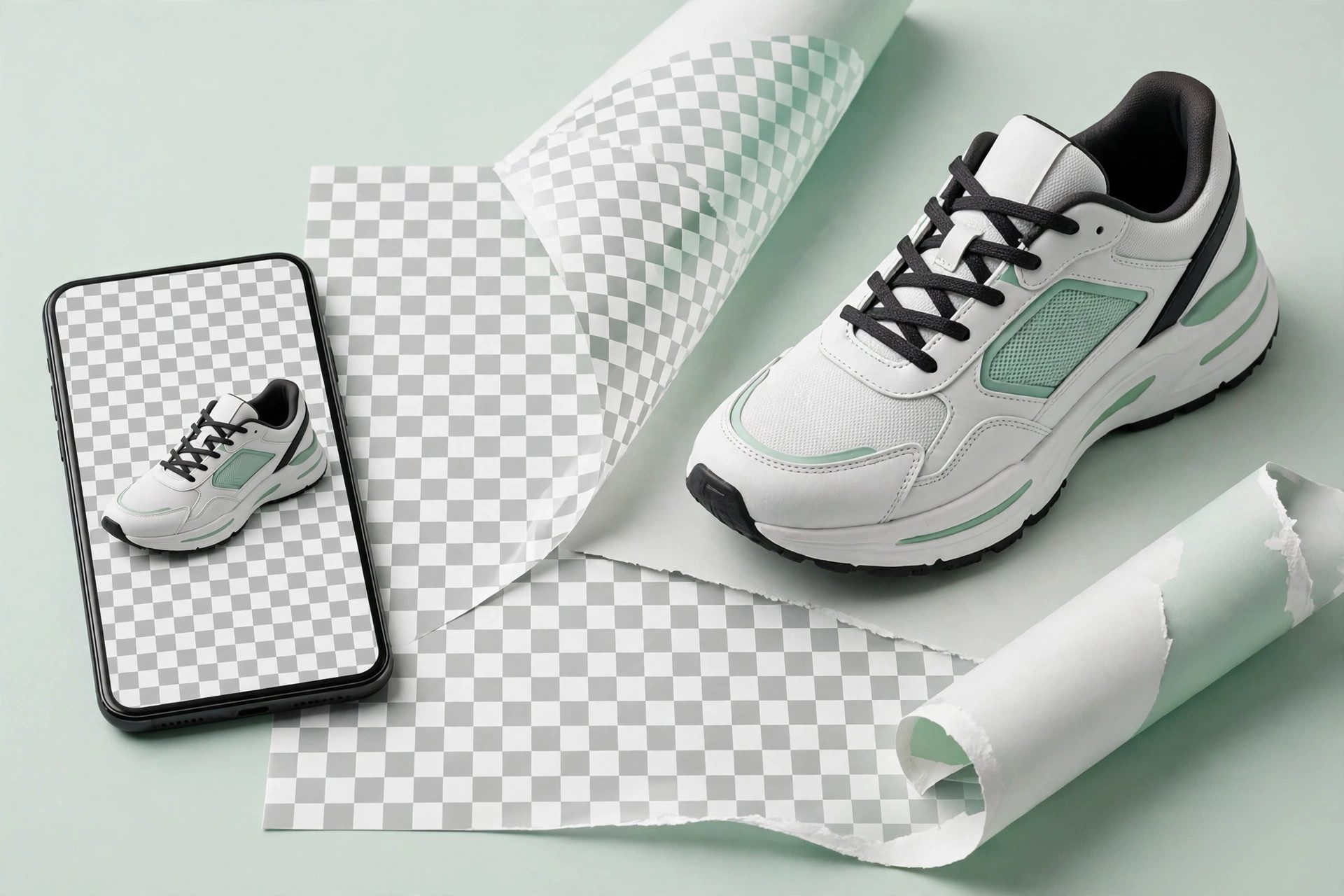
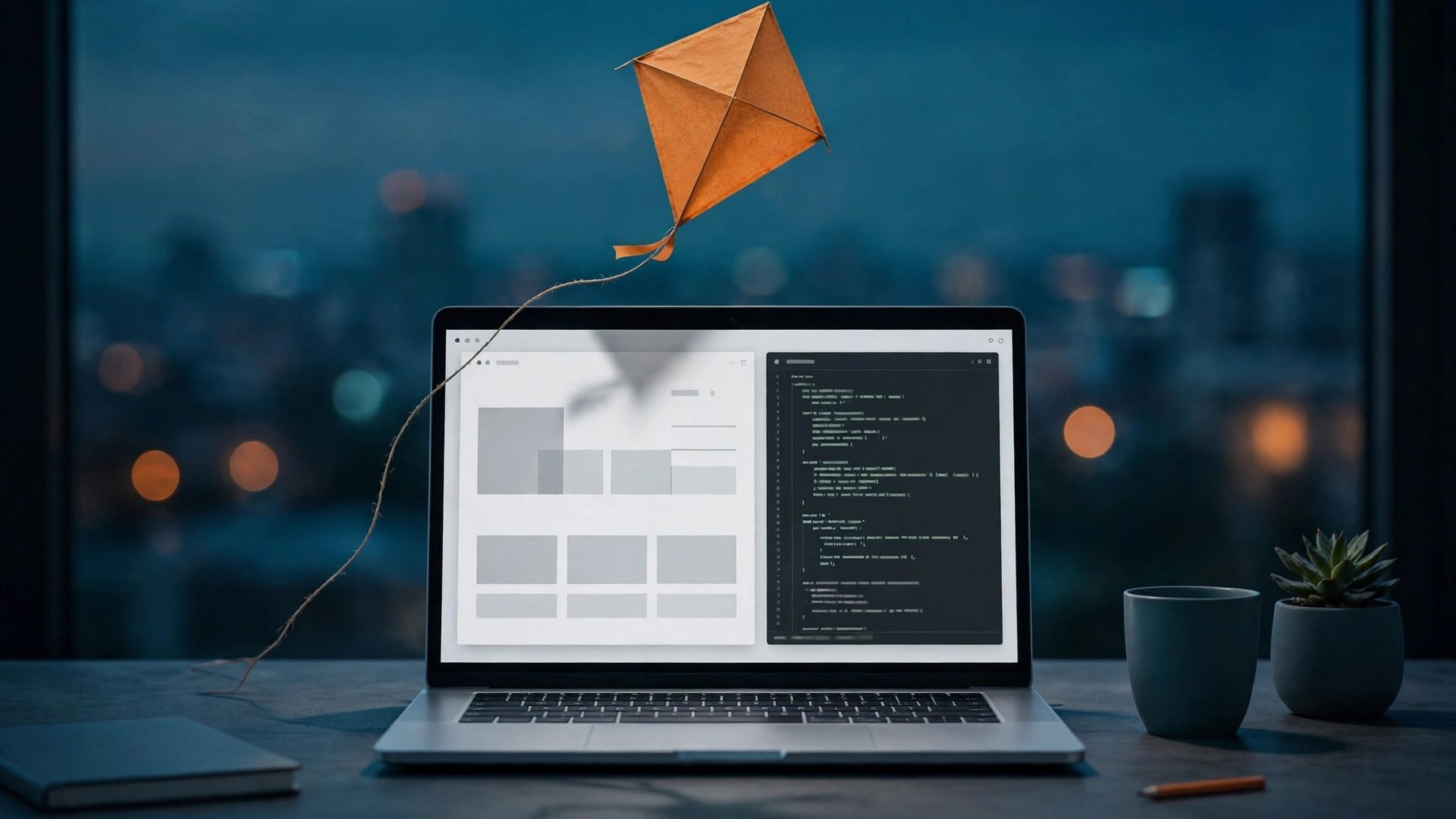
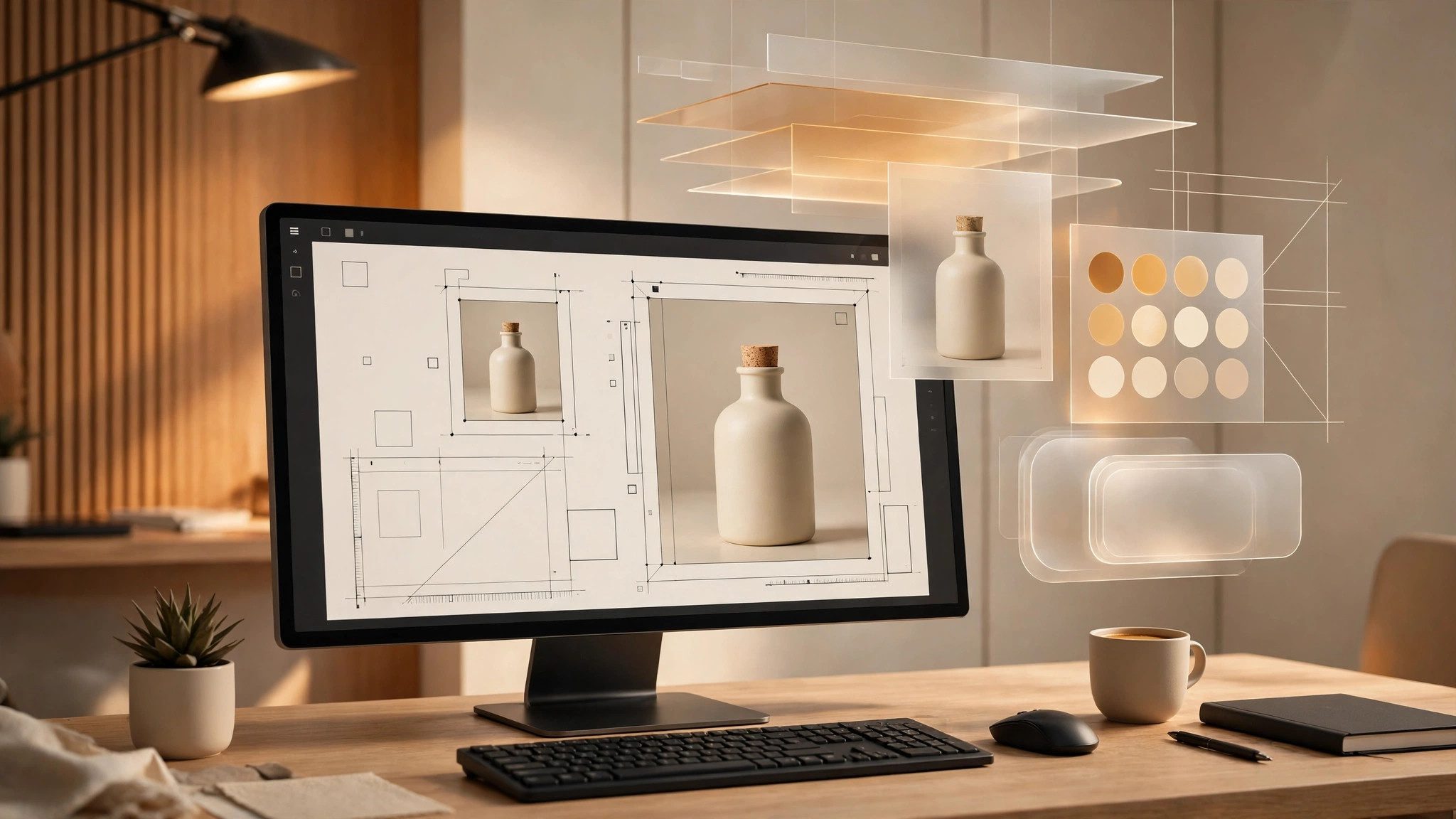
Ming-Image-0.2-Design is not a general-purpose text-to-image model; its selling point is design scenarios: complex compositions, lighting, and text rendering. Its three official focus areas are e-commerce hero images, web design drafts, and spatial renderings. The previous generation, 0.1-Design-Layer, could split a flat design into transparent layers; 0.2 refines that decomposition down to parts of a person, and the separated assets can be edited further or animated. Paired with Ling-3.2-flash, it can also turn a design concept into an interactive page, and the repository ships two agent skills, Design and PPT.
What does it actually cost to run locally
The official repository is inclusionAI/Ming-Image on GitHub, and the weights live on Hugging Face as inclusionAI/Ming-Image-0.2-Design. Inference runs through the repository's infer.py, and vLLM-Omni is the recommended serving setup. The real barrier is the GPU: the officially validated configuration is a single CUDA GPU with 80GB of VRAM, running in BF16, generating 2048×2048 images by default with 12 sampling steps. Consumer GPUs basically cannot run this; renting a card or moving up to A100- or H100-class hardware is the real cost of local deployment. Prompts matter too: the official guidance recommends Figma-style structured prompts passed through a prompt enhancer first, with Ling-3.0-flash-VL or qwen3.8-27B as the enhancer options. Transparent-background images need a fixed prefix phrase at the start of the prompt.
Who should bother, and who should stay away
Design teams and developers with large-VRAM resources who want image generation wired into their internal workflow are the best fit. Ordinary designers who only need the occasional image, individual users with only consumer GPUs, and newcomers expecting something that works out of the box should stay away from local deployment. A few pitfalls to know first: the repository was only created in September 2026, with 28 commits and just over 240 stars, so the project is still young and its documentation and ecosystem are thinner than those of established projects; 0.2 has no official online demo, and layer decomposition still relies on the previous generation's 0.1-Layer; and the leaderboard top spot applies only among open-weight models — it does not mean it beats closed models across the board. Before producing images in bulk, run a small batch first and check the text rendering.