On November 19, 2026, Alibaba reported results for the quarter ended September 30: total revenue of RMB 271.5 billion, up 10% year over year. Its AI business delivered two extremes at once — AI Cloud revenue of RMB 61.0 billion, up 53%, and revenue of RMB 4.44 billion from the AI Labs and Applications unit that houses Qwen, up 51% — yet that unit's quarterly loss widened to RMB 10.5 billion, and free cash flow was a net outflow of RMB 34.5 billion. The growth is real, and so is the spending.
Where the money comes from: cloud and Qwen are growing, e-commerce is healing
Alibaba Cloud's growth came mainly from outside customers: revenue from external customers rose 64% year over year, with recurring revenue up 67%, while AI-related product revenue reached RMB 17.92 billion, its thirteenth straight quarter of triple-digit growth. On the Qwen side, after Qwen4-Max officially launched, the 2.4-trillion-parameter flagship model and the QwenWork agent platform pushed demand higher; the earnings release says growth came mainly from agentic AI products. E-commerce did not hold things back either: adjusted EBITA rose 243% year over year, losses in instant commerce narrowed sharply, and 88VIP membership stands at roughly 66 million.
Where the money goes: losses widen, and chips must be built in-house
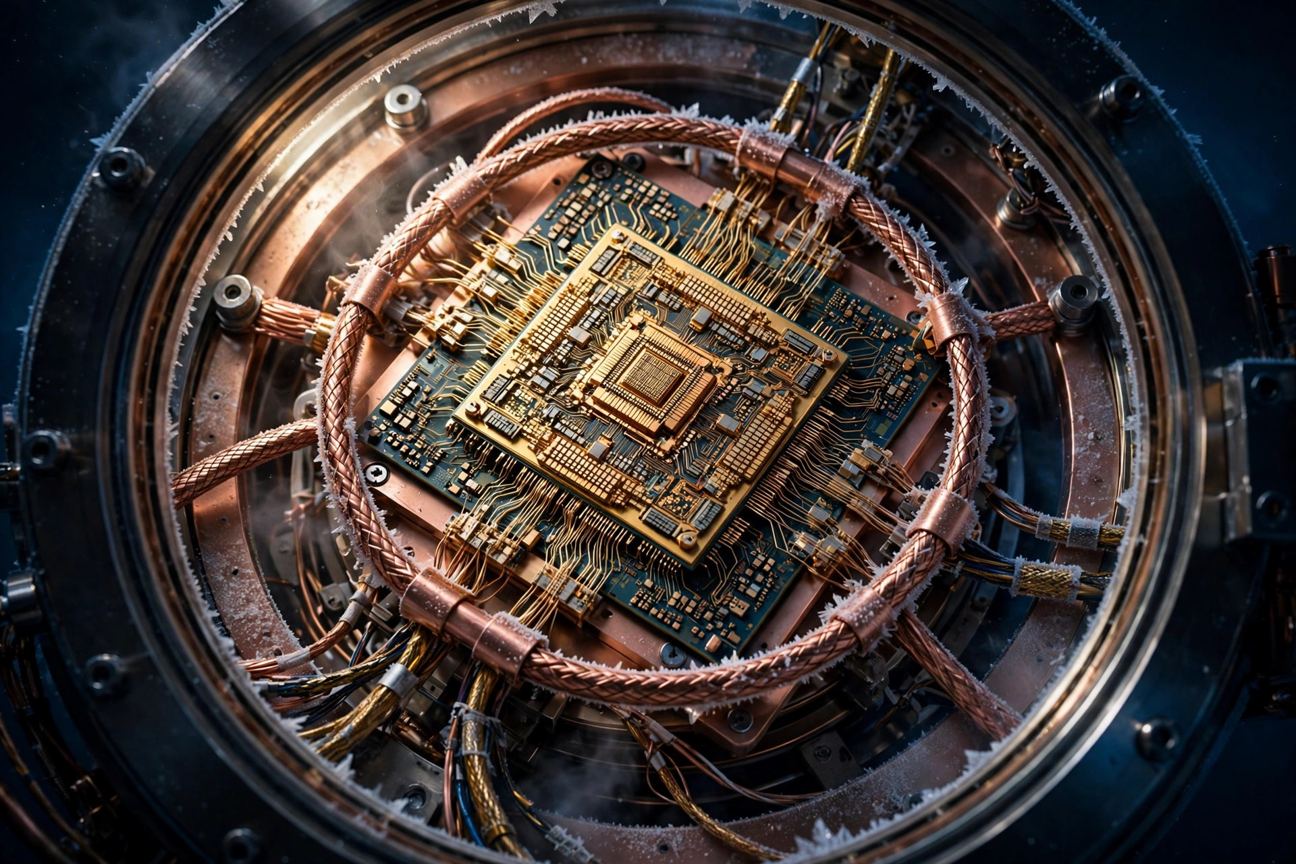
The spending side is just as concrete: the AI Labs and Applications loss widened from RMB 3.44 billion a year earlier to RMB 10.5 billion, as spending on model training and inference costs for the Qwen app both climbed; group free cash flow was a net outflow of RMB 34.5 billion, versus RMB 21.8 billion a year earlier, driven mainly by higher cloud infrastructure spending. Alibaba's answer is to steer investment into its own stack: the Zhenwu V900 chip unveiled at the Apsara Conference in September is slated for commercial release in the first quarter of 2027, and its supernode architecture went live in August. CFO Toby Xu said in the release that the company will keep investing in AI capabilities with discipline, targeting positive free cash flow.
What to watch next
For developers and enterprise users, little changes in the short term: Alibaba Cloud keeps rolling out AI products, and the Qwen models and agent platform will keep shipping updates, so pricing and availability are worth watching. Alibaba's AI compute faces another variable: after US chip export controls tightened, TSMC and Samsung have paused some shipments to China, and Moonshot AI cancelled a $150 million overseas compute contract, so big buyers will only pay more for chips. The real test comes next quarter — whether AI Cloud can hold its 53% growth rate, whether the AI Labs loss narrows, and whether Apple Intelligence, launching in China in December deeply integrated with Qwen, can turn model capability into lasting revenue. The growth curve is already there; now it has to prove it can pay for itself.