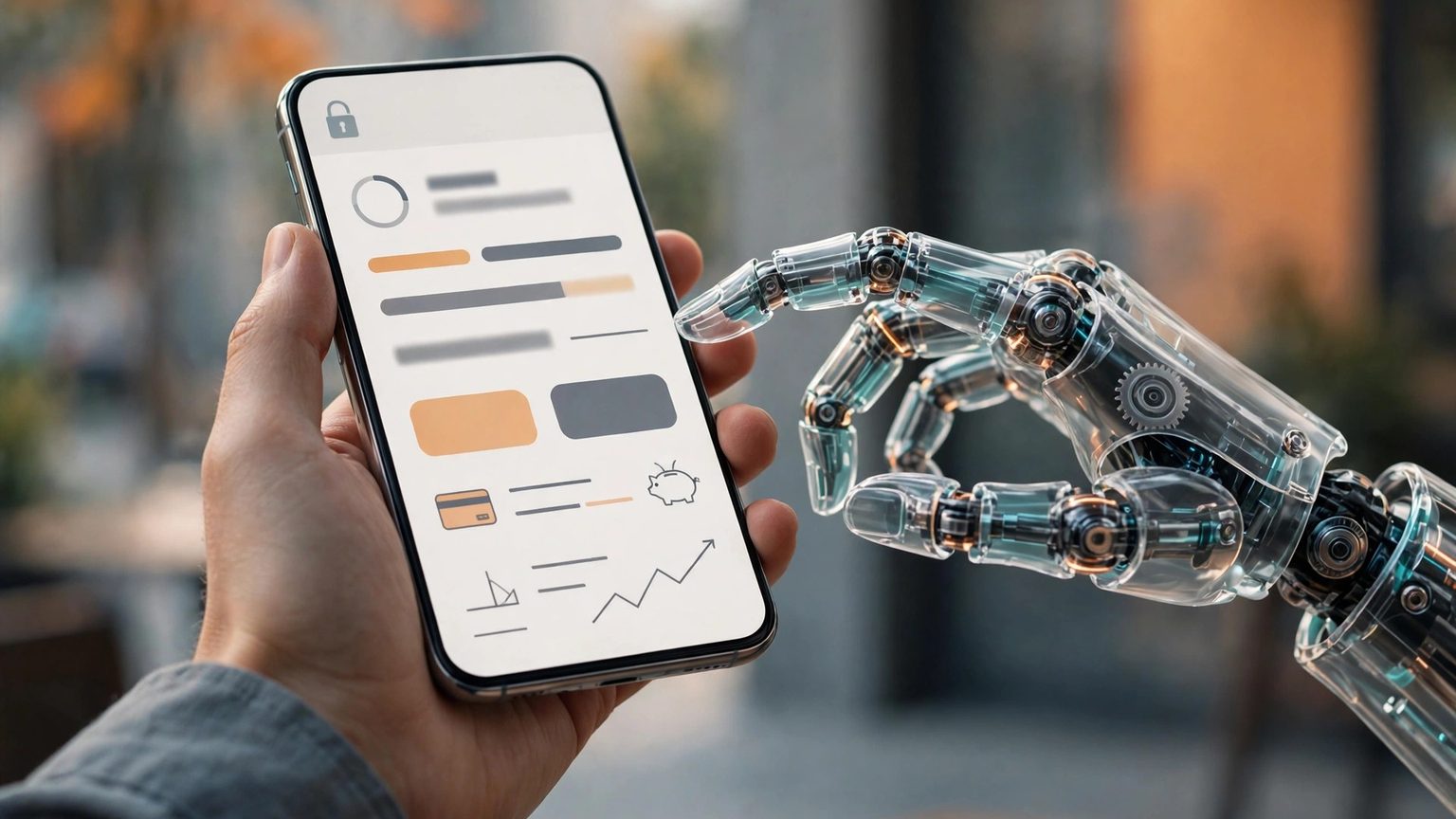
On November 18, 2026, Citigroup updated its Online User Agreement with a new section devoted to third-party AI agents: if you hand your online banking login to an AI assistant and let it check balances, move money or manage investments for you, whatever goes wrong afterwards is on you — even if the agent misunderstood your instructions, acted beyond its authority, or leaked your password and a hacker used it to get into your account. The same day, PNC Bank updated its terms too. JPMorgan Chase and Bank of America moved a month earlier. America's biggest banks are collectively pushing the risk of AI agents back onto their customers.
What the terms actually say
Citi's new terms sit in Section H of the agreement, and boil down to three points. First, if a customer gives online banking credentials to a third-party AI agent or otherwise lets it access an account, Citi will treat the agent's access and actions as authorized by the customer — even when they conflict with the instructions the customer gave the agent. Second, if those credentials are later shared, leaked or passed to other people or other agents, any later access using them is likewise treated as authorized, and Citi has no obligation to investigate. Third, the customer bears responsibility for an agent misreading instructions, making errors or exceeding its authority, except where applicable law provides otherwise. The terms also state that the customer authorizes Citi to disclose account information, including sensitive personal information, to the third-party agent, and that Citi's privacy notice does not cover those outside services. Citi's own AI tools are excluded. A Citi spokesperson told TechCrunch the update is meant to spell out the risks and warn customers against casually handing banking credentials to third-party tools.
Not just Citi — but an agreement is not all-powerful
PNC takes a slightly different approach: it permits only connections the bank explicitly provides, prohibits giving an agent a password or one-time code, and bars browser automation or screen scraping used to get around the bank's controls; violators bear the consequences. JPMorgan CEO Jamie Dimon warned on the October earnings call that outside AI agents could create serious risks for customers and financial institutions. But an agreement is not all-powerful: under the U.S. federal Regulation E, an agreement cannot raise the liability cap for unauthorized electronic transfers beyond what the regulation allows — if a third-party service is hacked and someone moves money without actual authority, it may still count as an unauthorized transfer. If you voluntarily authorize an agent and it then exceeds its instructions, the dispute becomes far harder. Arizona has already opened a criminal investigation into agents penetrating banks — banks tightening their terms and law enforcement tightening its scrutiny are advancing on the same front.
For ordinary users, the safe approach is: don't let a third-party agent log directly into online banking; if you must use one, open a separate read-only or capped account, switch off transfer permissions, change passwords regularly, and turn on alerts for every transaction. The banks' message is already clear: an agent can do the work for you, but once you hand over the keys to your account, the bank won't cover what happens next.