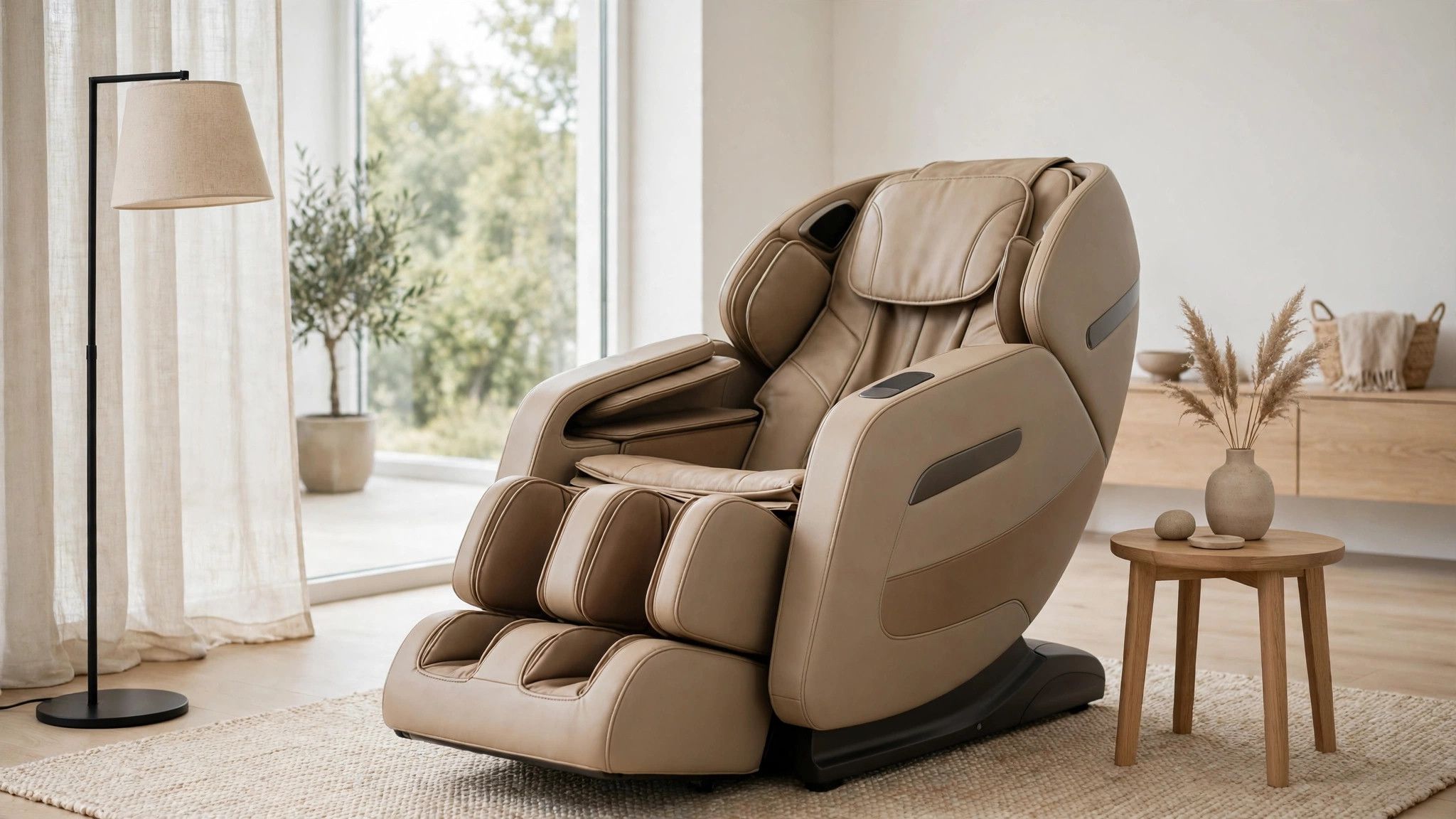
Whether an AI massage chair is worth buying starts with the price: the Fujiiryoki Cyber Relax AI (JP4000) was listed at about $10,999.99 by US retailers in mid-2026, while Costco's member promotion priced it at about $5,999.99 — nearly half off for the same chair at a different store. The verdict: if your back genuinely aches after work every day, you have room for it at home, and a test sit convinces you the technique fits, the money is well spent; if you would use it less than twice a week, it is just a very expensive armchair.
What makes it smarter than an ordinary massage chair
The Cyber Relax AI centers on a 5D AI mechanism plus an AI Double Sensing body scan: it first measures shoulder height and maps the natural curve of your spine, then decides where the rollers land and how hard they press, instead of running a fixed routine from head to toe. Fujiiryoki has built massage chairs since 1954, and this is the top of its home lineup. The scan is not a gimmick — whether the technique fits your back depends entirely on how accurate this step is. The new change in 2026 is that high-end models now read real-time muscle tension in your back and adjust depth and speed automatically; Osaki calls this AI Health Detection, Human Touch calls it Acupoint Detection, and the idea is the same: the chair adapts to the person, not the other way around.
Three hurdles: price, space, and the test sit
The first hurdle is price. A five-figure price is only the entry ticket, with Osaki and Panasonic among the alternatives at the same level; with a budget around $2,000, the Osaki OS-3D Ai Vito at about $1,999, with a 3D mechanism and SL track, is a rare full-size machine at that price. Set the budget before choosing a brand, and do not let the words 'top of the line' do the deciding. The second hurdle is space: a massage chair takes up about as much floor as an armchair, and needs clearance behind it when reclined, so renters and small homes should measure first. The third hurdle is the test sit: only sitting in it tells you whether the technique suits your back, so try two or three models at the same price in a store before deciding; returning a large item is expensive, so ask about warranty length and return terms before ordering. Pregnant users and people with serious spinal problems should consult a doctor first. The full cost of health hardware has to be counted in one go — WHOOP 5.0's subscription math, starting at $199 a year, is a ready example: the sticker price is only the first payment.
Buy, wait, or skip
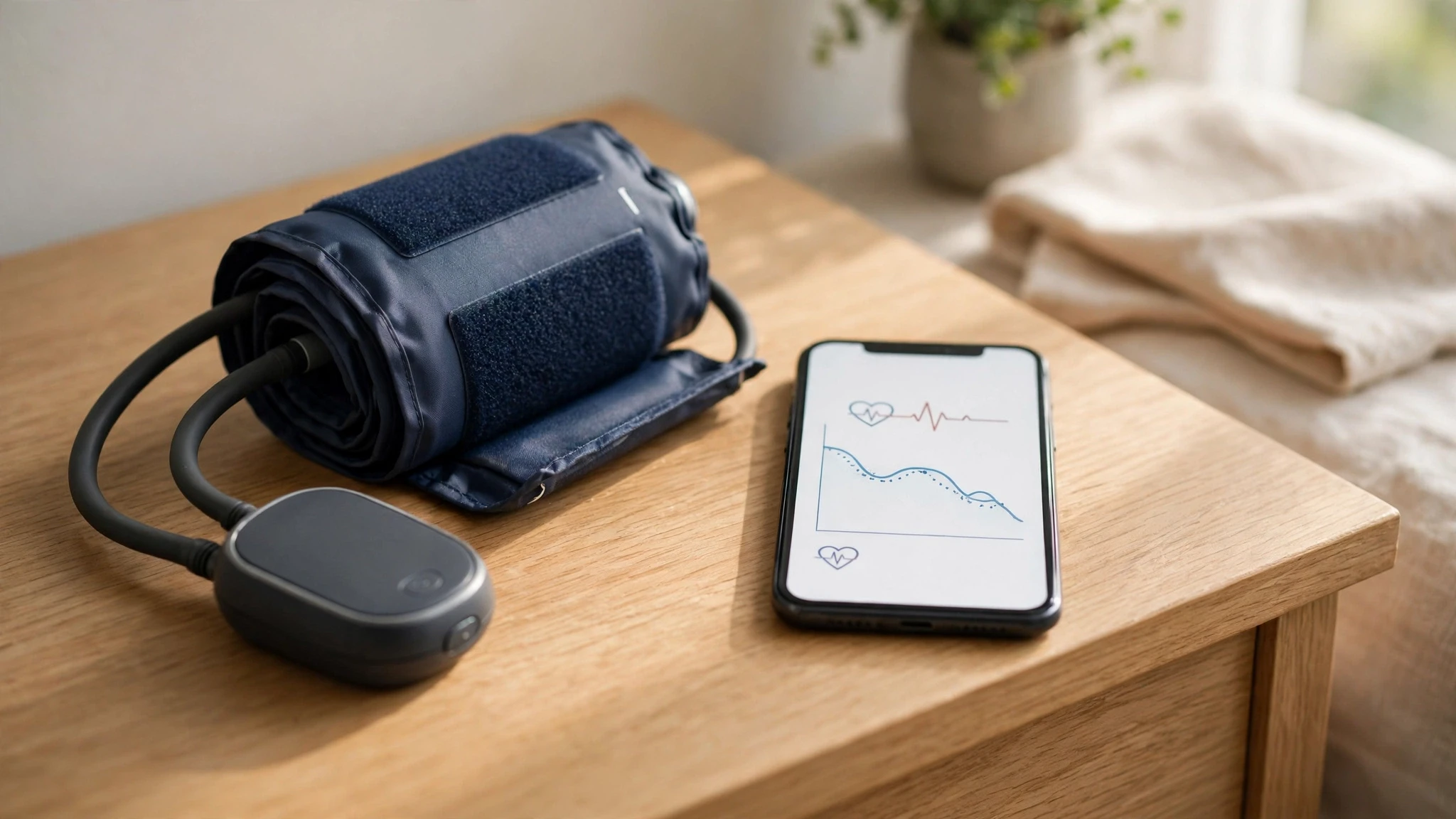
Three kinds of people should buy: those who use it daily, those with long-term back strain, and those with a fixed spot for the chair at home. Three kinds should not: those who would only remember it occasionally, frequent movers in rented homes, and anyone whose budget is already tight. If you are in no hurry, wait for a promotion — the Cyber Relax AI's Costco price was nearly half its list price, which shows how much its real transaction price can move. Before buying, sit in it at a store and confirm the technique, size, and noise are all acceptable. If you also want blood pressure and ECG data tracked, Withings BPM Core packs three checks into one device — compare it to see which kind of health hardware you actually need.