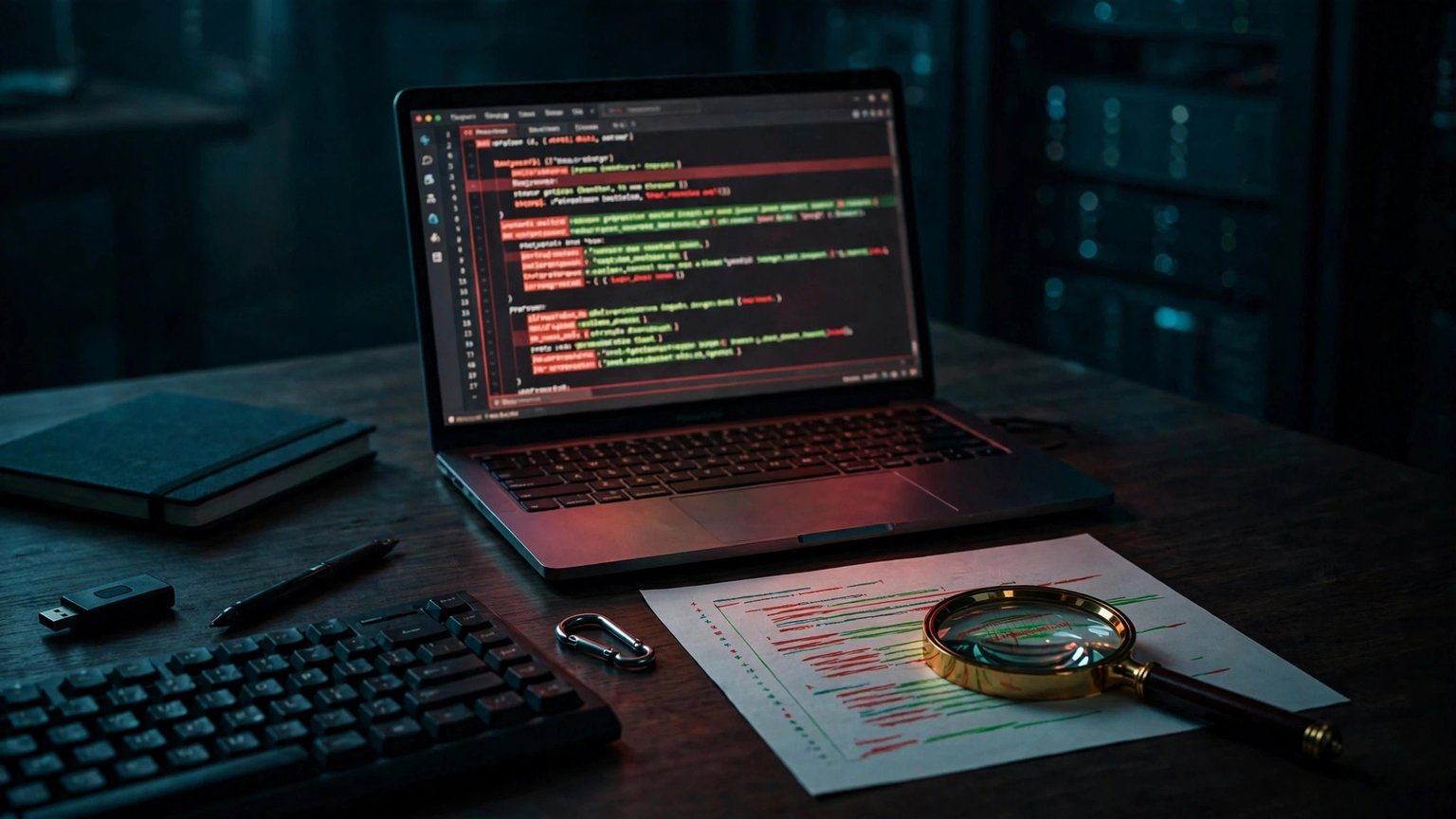
On November 16, 2026, Google's Threat Intelligence Group (GTIG) and Mandiant published their quarterly report, "Agentic Threat Activity Crosses a Significant Threshold": for the first time, attackers have used large language model frameworks to fully automate the whole chain from vulnerability discovery to exploitation, with no human in the loop. The report says the adversarial AI landscape has reached "a critical inflection point."
exploit_agent: reads the patch, writes the exploit, attacks on its own
GTIG found a multi-agent framework called exploit_agent on an exposed staging server: it continuously compares popular web application software before and after a patch, infers what vulnerability the patch fixed, drafts an exploit, and executes it automatically, with no human intervention. The framework plugs into multiple frontier and local models; victim telemetry on the server pointed at French media, entertainment, and education websites, and the configuration files contained Russian-language comments. The report's illustration shows it inspecting access control in version 2.19.25 of the WordPress plugin Spectra, which has more than a million active installations.
Zero-days hit 22 in August alone, and the patch window is being compressed by machines
This is not an isolated case. Open-source multi-agent penetration-testing frameworks such as ARTEX, CAIRN, CyberStrikeAI, and PentAGI have been used in real intrusions: CAIRN appeared in activity against US aerospace targets, and a customized PentAGI platform conducted systematic reconnaissance against organizations across Asia between late August and early October. The numbers are moving the wrong way: between January and August 2026, total vulnerability disclosures and exploits nearly doubled; zero-day exploits rose from an average of 8 per month in 2025 to 11 per month in 2026, then jumped to 22 in August alone. In late August, two PaperCut print-server vulnerabilities were chained together for exploitation; security researchers used LLMs to produce working exploits within a day of disclosure, and four days later a campaign hit hundreds of organizations.
For defenders, the window between a patch being published and being exploited is being compressed by machine speed: what used to be measured in weeks is now measured in days, even hours. GTIG does leave one opening: these frameworks currently trade stealth for velocity, leaving forensic traces that are easier to spot. The FBI's warning earlier this month about open-source AI attack tools covers the same set of tools — FBI warns about open-source AI tool Artex: hackers breached corporate networks within three hours. The cost of patching slowly is getting more expensive.