ChatGPT Wallet is OpenAI's wallet for letting an agent place orders for you. Launched on November 13, 2026, it first landed inside dots. Eligibility is narrow: US ChatGPT Pro subscribers, aged 18 or over, holding an eligible US-issued Visa, Mastercard, or American Express card — and it's a limited rollout. If you don't meet all three, don't go looking for the entry point yet.
Bind the Card Once, Confirm Every Payment Yourself
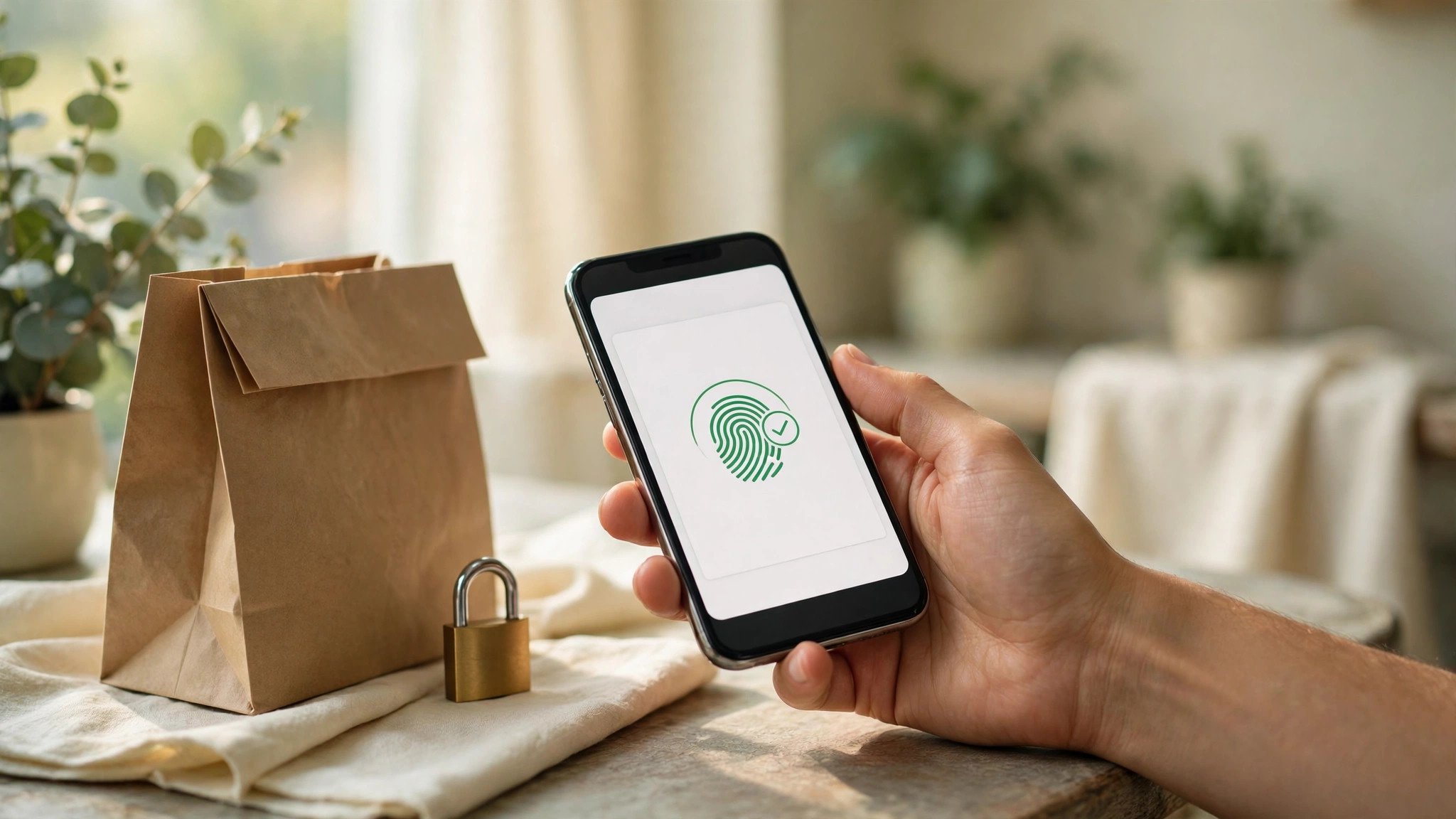
You only bind the card once. After that, before every order, dots shows the items, the total, and the selected card. You review them and approve with biometric verification such as face recognition or a fingerprint, and each approval creates an authorization record. Officials say that in future you may be able to set a spending cap, categories, or a time window and pre-authorize, skipping per-order confirmation — but at launch every order requires your confirmation, and there is no automatic payment yet.
Who Can See the Card Number, and Who Can't
Once you approve, the card network issues a one-time payment token that replaces the card number, expiry date, and security code, valid only for that one transaction. Neither the agent nor the merchant can see your real card number. You still transact directly with the merchant, which keeps control of pricing, shipping, returns, and customer service. Your card's points, cashback, and eligible dispute protections continue to apply, and OpenAI takes no cut from transactions at launch.
If an Order Fails, Check These Two Things First
OpenAI acknowledges that some websites may block agent-placed orders — anti-bot controls or mistaken blocks by a CDN or firewall can stop checkout. It is working with fraud-prevention vendors and payment providers to identify legitimate agent purchases. If an order fails, try a different merchant first, or check out through the merchant's own checkout page, rather than retrying the same order again and again. dots is the persistent agent launched on September 29, 2026, with its own cloud computer and browser, and Wallet runs inside it. Merchants adapting to it can refer to the Commerce Partner Playbook that OpenAI published at the same time.
When users in China, or Plus and Free users, will get access has no official timeline — don't trust online activation tutorials. First confirm you're in the first rollout group, then bind a card. And before binding, keep one thing in mind: Wallet saves you from repeatedly typing in card numbers, not from confirming each payment yourself.